The French Resistance (World War II)
TL;DR
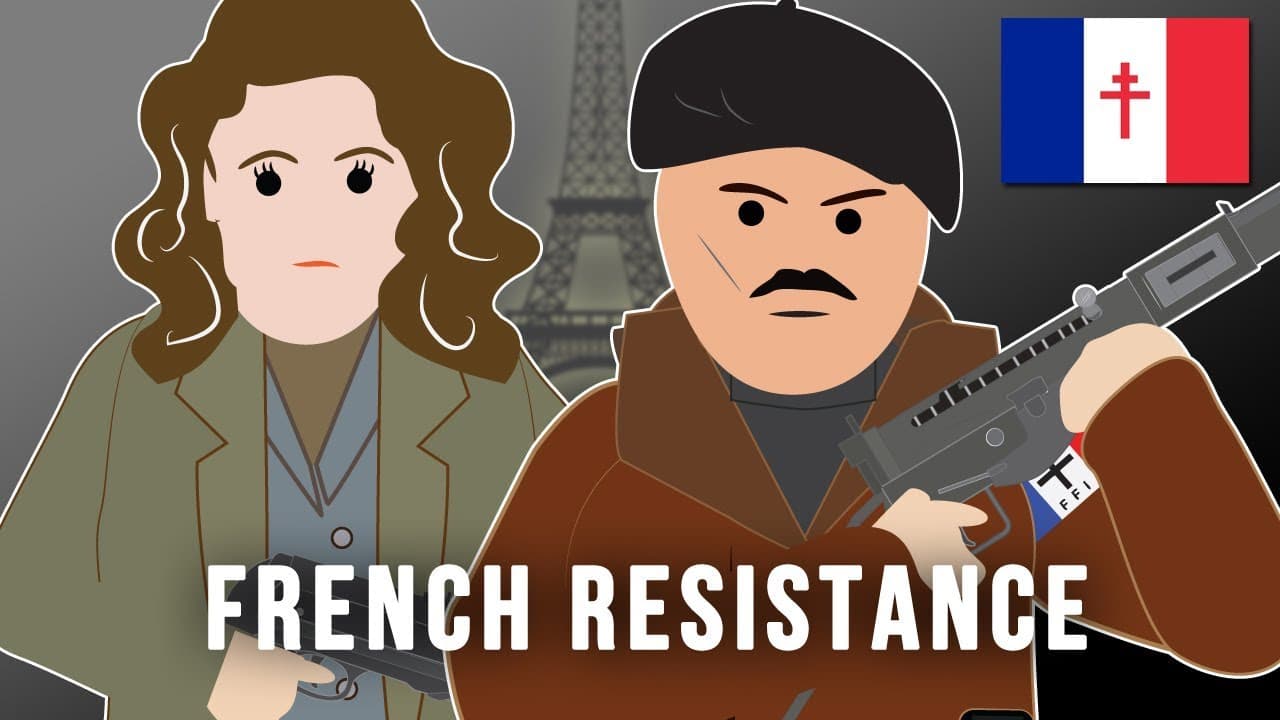
The French Resistance played a crucial role during World War II by using both violent and non-violent tactics to resist the German occupation and the Vichy government.
Transcript
the french resistance world war ii the surrender of france to germany in 1940 damaged the pride of the nation french citizens felt let down by the government and were further angered by the nazi collaborating vichy government that emerged resistance soon took place in different ways after charles de gaulle encouraged the fight to continue after the... Read More
Key Insights
- 🇬🇫 The French Resistance arose out of the disappointment and anger of French citizens towards the surrender and Vichy government.
- 🧑🚒 Resistance groups used both violent and non-violent tactics to fight against the German occupiers.
- 👥 Maintaining unity among the resistance groups was a challenge due to political differences, but they were able to come together for the common goal of liberation.
- 🏈 Outside support from the British and American allies was crucial to the success of the Resistance.
- 🥳 The Resistance played a vital role in D-Day by providing intelligence reports and sabotaging German transportation.
- 🧑🚒 Resistance fighters were organized as part of the French Forces of the Interior, fighting alongside the regular French forces and their allied counterparts.
- 🛝 The Resistance helped in rounding up collaborators and liberating towns and villages, and eventually Paris.
Install to Summarize YouTube Videos and Get Transcripts
Explore YouTube Video Summarizer or Get YouTube Transcript Extractor
Questions & Answers
Q: What led to the emergence of the French Resistance during World War II?
The surrender of France to Germany in 1940 and the formation of the Nazi-collaborating Vichy government led to the emergence of the French Resistance as citizens felt let down and angered by these developments.
Q: What were some of the tactics used by the Resistance groups?
The Maquis, one of the Resistance groups, used violent means and guerrilla warfare tactics to attack the German occupiers. Other groups employed non-violent tactics such as publishing underground newspapers and broadcasting anti-German radio programs.
Q: Who were the members of the French Resistance?
The Resistance included individuals from various social classes, such as professors, students, Catholics, Jews, foreigners, liberals, anarchists, and communists. They came from all parts of French society and joined together in the fight against the German occupation.
Q: How did the French Resistance receive outside help?
The French Resistance received support from the British Special Operations Executive and later on from the American Office of Strategic Services. These allies provided weapons, equipment, and training to the Resistance while the Resistance provided intelligence reports and sabotaged enemy resources.
Summary & Key Takeaways
-
The surrender of France to Germany in 1940 led to the emergence of the Vichy government and the French Resistance, which aimed to continue the fight against the German occupation.
-
The Resistance consisted of various groups, including the Maquis, who used guerrilla warfare tactics to sabotage German communication lines and vehicles.
-
While there were differences in politics among the Resistance groups, they were united in their goal to liberate France and received support from the British Special Operations Executive and the American Office of Strategic Services.
Read in Other Languages (beta)
Share This Summary 📚
Summarize YouTube Videos and Get Video Transcripts with 1-Click
Try YouTube Summary with ChatGPT & Claude or YouTube Transcript Generator
Explore More Summaries from Simple History 📚


Summarize YouTube Videos and Get Video Transcripts with 1-Click
Try YouTube Summary with ChatGPT & Claude or YouTube Transcript Generator