Why Do Bonds Break and How to Cope?
TL;DR
Bonds with people, places, and objects shape our identity and growth. When bonds break, it can lead to overwhelming grief due to the loss of identity. However, understanding the science behind emotions and forming new bonds can help mitigate pain and foster personal growth.
Transcript
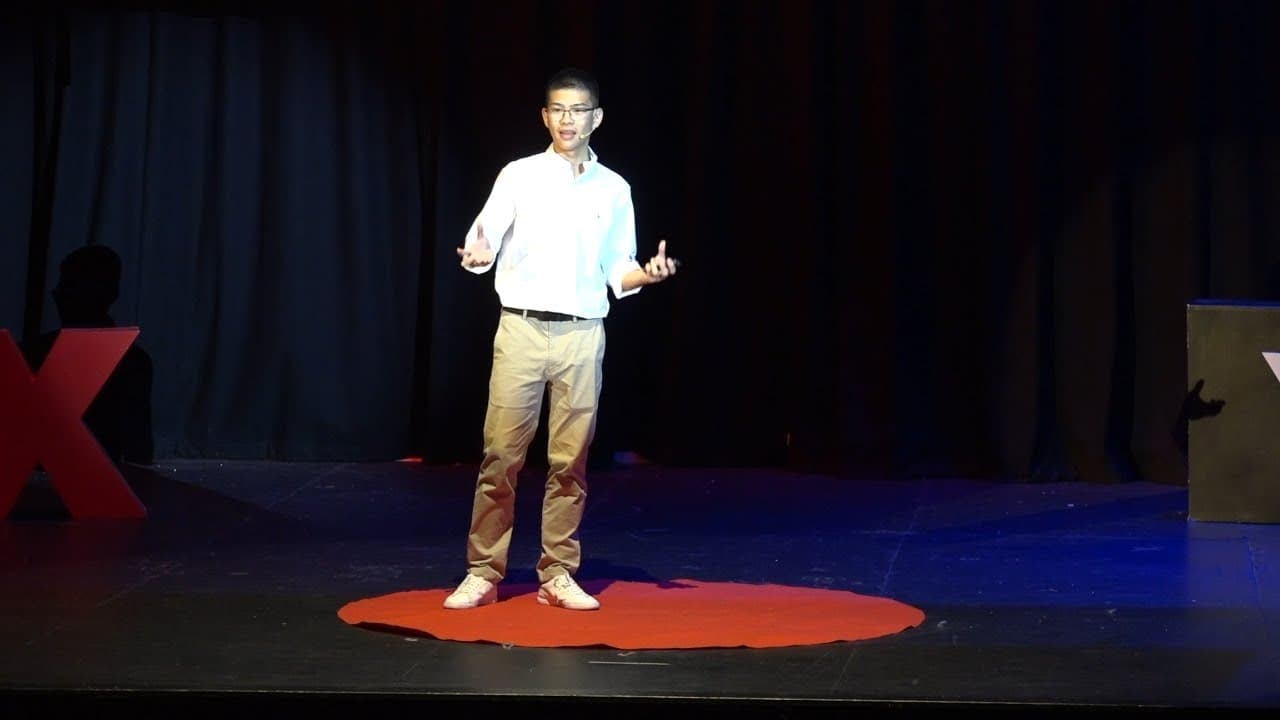
throughout our lives. We build bonds with everything we come into contact with, objects, places, people. And as we spend more time with them, and as we get to grow closer to them, they become part of our identity. Think about when you were young and you were running around playing tag with your friends. Maybe you still do now. Think about that favo... Read More
Key Insights
- Bonds with people, places, and objects contribute significantly to our identity.
- Human bonds are unique due to emotional attachment, unlike many animals.
- Cortisol levels rise during social interactions, indicating stress.
- Oxytocin and dopamine counteract stress, promoting happiness and security.
- Love and attachment function like brain opioids, reducing pain.
- Grief stems from unregulated stress when bonds are severed.
- Forming new bonds aids in emotional healing and personal growth.
- Facing the pain of broken bonds can lead to personal and relational insights.
Install to Summarize YouTube Videos and Get Transcripts
Explore YouTube Video Summarizer or Get YouTube Transcript Extractor
Questions & Answers
Q: Why do bonds break?
Bonds break due to various reasons such as death, arguments, or simply drifting apart. These events can cause a significant emotional impact because bonds become a part of our identity. When severed, the loss of that identity fragment can lead to overwhelming grief and stress, affecting our mental well-being.
Q: How does the brain react to broken bonds?
When bonds break, cortisol levels rise, indicating increased stress. Without the presence of oxytocin, which is released during positive interactions, the stress remains unregulated. This imbalance can lead to feelings of grief and loneliness, as the brain lacks the usual chemical modulators that provide happiness and security.
Q: What role do oxytocin and dopamine play in relationships?
Oxytocin and dopamine are crucial in relationships as they help counteract stress and promote feelings of happiness and security. Oxytocin, known as the 'love hormone,' is released during positive social interactions, while dopamine, the 'happiness molecule,' enhances these feelings, encouraging the formation and maintenance of bonds.
Q: How can understanding emotional science help with grief?
Understanding the science of emotions, such as the role of neurotransmitters like cortisol, oxytocin, and dopamine, can provide insights into why we experience stress and grief when bonds break. This knowledge can guide coping strategies, helping individuals manage their emotions more effectively and facilitating the healing process.
Q: What personal experiences did the speaker share?
The speaker shared their experience of losing two best friends, which led to a period of emotional turmoil and depressive episodes. This personal story illustrates the deep impact of broken bonds and the challenging journey of confronting pain, ultimately leading to personal growth and the formation of new, meaningful relationships.
Q: Why is forming new bonds important after a loss?
Forming new bonds after a loss is essential for emotional recovery and personal growth. New relationships provide support, reduce feelings of loneliness, and help rebuild a sense of identity. Although the process can be slow and difficult, it ultimately leads to a renewed sense of belonging and emotional stability.
Q: How can confronting pain lead to personal growth?
Confronting pain from broken bonds allows individuals to process their emotions and gain insights into their relationships. By acknowledging the authenticity of past bonds and the significance of their loss, individuals can find closure and motivation to form new connections, fostering resilience and personal development.
Q: What is the dual nature of bonds according to the speaker?
According to the speaker, bonds have a dual nature: they can cause significant pain when broken but also provide immense joy and support when intact. This duality highlights the importance of bonds in personal growth, as they can both challenge and uplift us, ultimately contributing to our emotional and relational development.
Summary & Key Takeaways
-
Bonds with people, places, and objects are integral to our identity and growth. When these bonds break, it can lead to grief and a loss of self. However, understanding the emotional mechanisms involved, such as the roles of cortisol, oxytocin, and dopamine, can help manage the stress and pain associated with broken bonds.
-
The speaker shares personal experiences of losing close friends, highlighting the emotional turmoil and depressive episodes that followed. By confronting the pain and forming new connections, they found a path to healing and personal growth, illustrating the dual nature of bonds as both painful and uplifting.
-
Despite the pain of broken bonds, forming new relationships is crucial for emotional recovery. The process is gradual and challenging, but it leads to a renewed sense of belonging and identity. The speaker emphasizes the importance of accepting pain as a testament to the authenticity of past bonds and encourages creating new connections for personal development.
Read in Other Languages (beta)
Share This Summary 📚
Summarize YouTube Videos and Get Video Transcripts with 1-Click
Try YouTube Summary with ChatGPT & Claude or YouTube Transcript Generator
Explore More Summaries from TEDx Talks 📚



Summarize YouTube Videos and Get Video Transcripts with 1-Click
Try YouTube Summary with ChatGPT & Claude or YouTube Transcript Generator