What Is a 401(k) and How Does It Work?
TL;DR
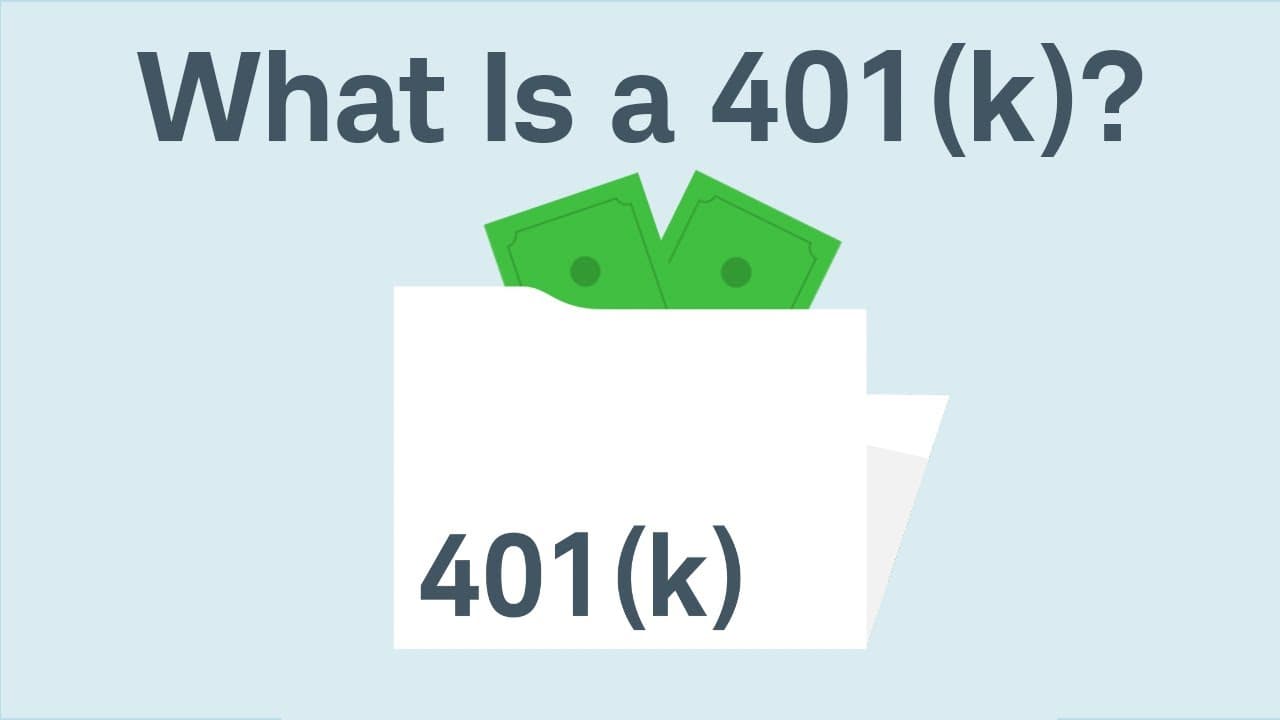
A 401(k) is an employer-sponsored retirement savings account that offers tax advantages, allowing you to contribute pre-tax income which grows tax-deferred until withdrawal. Employers may also match contributions, providing free additional funds. It's essential to understand the contribution limits and avoid early withdrawals, as they can incur penalties.
Transcript
One of the most common ways people save for retirement is by contributing to a 401(k), a retirement savings account offered by many employers. So, what is a 401(k), and how does it work? We’ll look at three main concepts: contributions, investments, and account management. But first, let’s start with the absolute basics: the name. It’s called a 401... Read More
Key Insights
- 🚕 401(k) is a retirement savings account that offers tax advantages and encourages saving for retirement.
- 🚕 Contributions to a traditional 401(k) are deducted from taxable income, reducing tax burden in the present.
- 🤑 Money contributed to a 401(k) can grow tax-deferred until retirement, allowing for potential compound growth.
- ❓ Some employers offer a match, contributing additional funds to an employee's 401(k) account.
- 😫 401(k) accounts have contribution limits set by the IRS, which increase periodically with inflation.
- ❓ Early withdrawals from a 401(k) may result in penalties and taxes unless qualifying for specific exceptions.
- 😵💫 Fees associated with managing a 401(k) can vary, so it's essential to understand the costs and potential alternatives like IRAs.
Install to Summarize YouTube Videos and Get Transcripts
Explore YouTube Video Summarizer or Get YouTube Transcript Extractor
Questions & Answers
Q: What is a 401(k) and how does it work?
A 401(k) is a retirement savings account that allows individuals to contribute a portion of their paycheck towards retirement. The contributions are deducted from taxable income, and the invested money can grow tax-deferred until withdrawal in retirement.
Q: What are the tax benefits of contributing to a 401(k)?
Contributing to a traditional 401(k) reduces taxable income, allowing individuals to pay less in taxes for a given year. Additionally, the money contributed and invested can grow tax-deferred until retirement, when it is taxed upon withdrawal.
Q: What is the difference between a traditional 401(k) and a Roth 401(k)?
In a traditional 401(k), contributions are made with pre-tax dollars, reducing the tax burden in the present. In a Roth 401(k), contributions are made with after-tax dollars, allowing tax-free withdrawals in retirement.
Q: What happens if I withdraw money from a 401(k) before retirement?
Withdrawing money from a 401(k) before the age of 59 and a half usually incurs an early withdrawal penalty and income tax, unless qualifying for specific exceptions like medical expenses or disability.
Summary & Key Takeaways
-
A 401(k) is a retirement savings account offered by employers that provides tax advantages and allows individuals to contribute a portion of their paycheck towards retirement.
-
Contributions to a traditional 401(k) are deducted from taxable income, and the invested money grows tax-deferred until retirement.
-
Employers may offer a match, contributing additional funds to an employee's account, and it is recommended to contribute enough to receive the maximum match.
Read in Other Languages (beta)
Share This Summary 📚
Summarize YouTube Videos and Get Video Transcripts with 1-Click
Try YouTube Summary with ChatGPT & Claude or YouTube Transcript Generator
Explore More Summaries from Charles Schwab 📚



Summarize YouTube Videos and Get Video Transcripts with 1-Click
Try YouTube Summary with ChatGPT & Claude or YouTube Transcript Generator