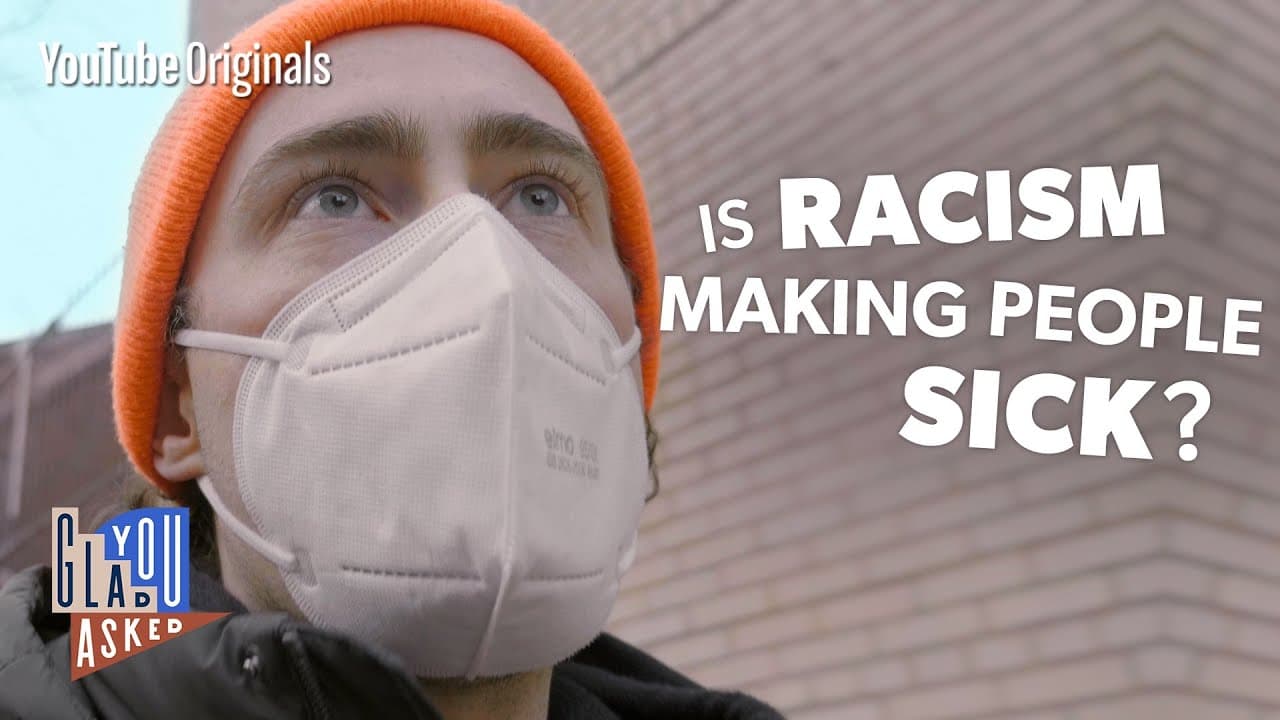
Is Racism Making People Sick?
TL;DR
Racism significantly affects health and life expectancy.
Transcript
The past year has been and continues to be an incredibly stressful time for just about everybody. But for a lot of white Americans like me, it's also been a year of recognizing just how much harder that stress is hitting black and brown Americans. The COVID-19 pandemic put a spotlight on the racial disparities in health. In the U.S., the death rate... Read More
Key Insights
- The COVID-19 pandemic highlighted racial health disparities, with Black Americans experiencing a death rate twice as high as white Americans.
- Chronic diseases are more prevalent among Black Americans, with over 75% having hypertension compared to less than 50% of whites.
- Racism and socio-economic status both contribute to health disparities, but the stress of discrimination itself is a significant factor.
- Life expectancy varies greatly by race and neighborhood, with white-majority areas having higher life expectancies than non-white areas.
- Perceived racial identity affects health outcomes, with those perceived as white having better health outcomes regardless of their actual race.
- Racism can be quantified through measures like Google searches for racial slurs, showing a correlation with increased Black mortality rates.
- The anticipation of racist encounters causes physiological stress, leading to faster aging and higher allostatic loads among Black individuals.
- Community initiatives like Black Men Heal provide mental health support to Black men, addressing the mental toll of racial stress.
Install to Summarize YouTube Videos and Get Transcripts
Explore YouTube Video Summarizer or Get YouTube Transcript Extractor
Questions & Answers
Q: How does the COVID-19 pandemic highlight racial health disparities?
The COVID-19 pandemic has brought racial health disparities to the forefront, with Black Americans experiencing a death rate twice as high as white Americans. This disparity is a result of systemic inequalities in healthcare access, socio-economic status, and the stress of living with discrimination, which exacerbate existing health issues.
Q: What role does perceived racial identity play in health outcomes?
Perceived racial identity significantly affects health outcomes. Individuals who are perceived as white tend to have better health outcomes, regardless of their actual race. This is because they are more likely to receive better treatment in healthcare settings, highlighting the privilege associated with whiteness.
Q: How can racism be quantified in relation to health impacts?
Racism can be quantified through measures like the frequency of Google searches for racial slurs. Studies have shown that areas with higher search frequencies for racial slurs correlate with a 5.7% increase in Black mortality rates, indicating that racism has a measurable impact on health outcomes.
Q: What is allostatic load and how does it relate to racial stress?
Allostatic load refers to the cumulative wear and tear on the body due to chronic stress. Black individuals often have higher allostatic loads due to the constant stress of racism and discrimination, leading to faster aging and higher rates of health issues compared to white individuals.
Q: What initiatives exist to support mental health among Black men?
Initiatives like Black Men Heal provide free therapy to Black men, addressing the mental health challenges they face due to racial stress. These programs emphasize the importance of vulnerability and community support, helping men articulate their experiences and cope with the stressors of racism.
Q: How does socio-economic status influence racial health disparities?
Socio-economic status influences access to quality healthcare, nutrition, and living conditions, all of which affect health outcomes. However, even when controlling for socio-economic factors, racial disparities persist, indicating that the experience of racism itself plays a significant role in health differences.
Q: What is the impact of racism on life expectancy?
Racism significantly impacts life expectancy, with Black individuals living shorter lives compared to white individuals. This disparity is due to a combination of socio-economic factors, healthcare access, and the physiological stress caused by racism, which accelerates aging and increases vulnerability to diseases.
Q: How does the anticipation of racist encounters affect health?
The anticipation of racist encounters causes physiological stress, raising blood pressure and increasing anxiety. This chronic stress contributes to higher allostatic loads among Black individuals, leading to faster aging and a higher risk of health issues such as diabetes, heart disease, and cancer.
Summary & Key Takeaways
-
The video explores how racism impacts health, highlighting that Black Americans face higher death rates and chronic disease prevalence due to systemic inequalities and the stress of discrimination.
-
Life expectancy and health outcomes are significantly influenced by race and perceived racial identity, with proximity to whiteness often leading to better treatment and longer life spans.
-
Initiatives like Black Men Heal aim to support mental health among Black men, acknowledging the unique stressors they face and promoting vulnerability and community support as coping mechanisms.
Read in Other Languages (beta)
Share This Summary 📚
Summarize YouTube Videos and Get Video Transcripts with 1-Click
Try YouTube Summary with ChatGPT & Claude or YouTube Transcript Generator
Explore More Summaries from Vox 📚




Summarize YouTube Videos and Get Video Transcripts with 1-Click
Try YouTube Summary with ChatGPT & Claude or YouTube Transcript Generator