How Does Target Create an Elevated Discount Store Experience?
TL;DR
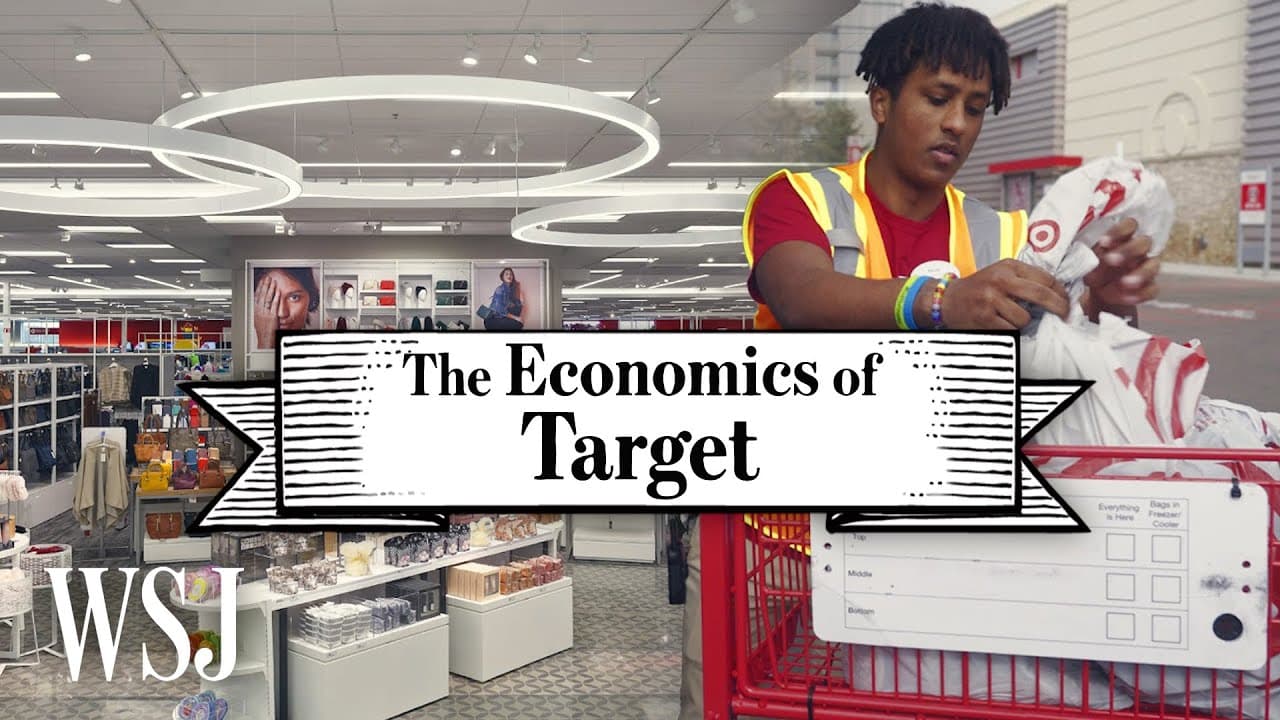
Target creates an elevated discount store experience by combining upscale visual elements, like sleek displays and stylish mannequins, with a budget-friendly model. Its investment in store aesthetics and exclusive private label brands further enhances this appeal, driving significant growth while maintaining affordability.
Transcript
- [Narrator] Walk into a Target anywhere in the US and you're likely to find sleek mannequins, elaborate displays and fancy lighting. - Target is very focused on the aesthetics of their stores, the products. That is what they hope makes it feel like an elevated discount store experience. - [Narrator] This elevated experience, which has led some to ... Read More
Key Insights
- 🏪 Target's ability to create an elevated discount store experience through store aesthetics and visual merchandising contributes to its success.
- 👻 The decision to invest in both store expansion and e-commerce has allowed Target to adapt to changing consumer preferences while maintaining a strong physical presence.
- ✋ Private label brands have become a significant revenue driver for Target, offering higher gross margins compared to manufacturer brands.
- 🏪 Leveraging its existing store network for online order fulfillment has been a cost-effective strategy for Target, enabling convenient services like in-store and curbside pick-up.
Install to Summarize YouTube Videos and Get Transcripts
Explore YouTube Video Summarizer or Get YouTube Transcript Extractor
Questions & Answers
Q: How does Target create an elevated discount store experience?
Target combines visual elements typically associated with department stores, such as sleek mannequins and elaborate displays, with a discount model. This creates an atmosphere that feels more upscale while still offering affordable prices.
Q: What is Target's strategy for expanding its business?
Unlike some retailers that focused on e-commerce and halted store expansion, Target continued adding stores while investing in e-commerce. They optimized their existing store network, enabling services like online order pick-up in-store parking lots, which became particularly successful during the pandemic.
Q: How does Target save money by using its stores for online order fulfillment?
Target utilizes its existing store infrastructure, avoiding the need to build large e-commerce warehouses. By leveraging trucks that already deliver goods to stores, they maximize efficiency and reduce upfront costs associated with establishing separate warehouses.
Q: How does Target's use of private labels contribute to its success?
Target offers a significant portion of its inventory through exclusive private label brands. These brands offer higher gross margins for the retailer, potentially reaching 25% to 30% higher than manufacturer brands. Target has seen success with several billion-dollar private label brands.
Key Insights:
- Target's ability to create an elevated discount store experience through store aesthetics and visual merchandising contributes to its success.
- The decision to invest in both store expansion and e-commerce has allowed Target to adapt to changing consumer preferences while maintaining a strong physical presence.
- Private label brands have become a significant revenue driver for Target, offering higher gross margins compared to manufacturer brands.
- Leveraging its existing store network for online order fulfillment has been a cost-effective strategy for Target, enabling convenient services like in-store and curbside pick-up.
- Target's ability to evolve its strategies and adapt to changing consumer demands has been crucial in its continued success.
Summary & Key Takeaways
-
Target differentiates itself through store design, combining visual expectations of a department store with a discount model to create an elevated discount store experience.
-
The retailer has experienced significant growth due to its decision to invest in store expansion and its ability to leverage its existing store network for online order fulfillment.
-
Target's success is also driven by its exclusive private label brands, which account for a significant portion of its sales and offer higher gross margins compared to manufacturer brands.
Read in Other Languages (beta)
Share This Summary 📚
Summarize YouTube Videos and Get Video Transcripts with 1-Click
Try YouTube Summary with ChatGPT & Claude or YouTube Transcript Generator
Explore More Summaries from The Wall Street Journal 📚


Summarize YouTube Videos and Get Video Transcripts with 1-Click
Try YouTube Summary with ChatGPT & Claude or YouTube Transcript Generator