You've Bought Your First Rental Property...Now What?
TL;DR
Steps to take after buying your first rental property.
Transcript
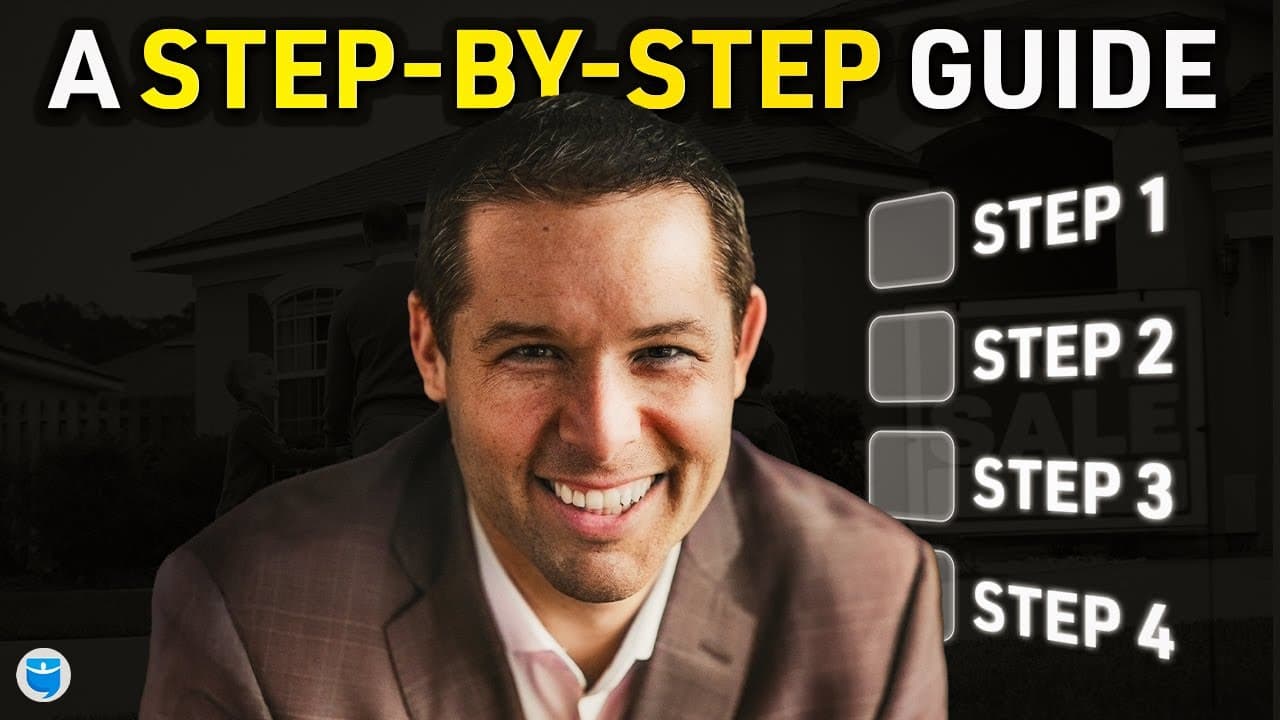
congratulations you just bought your first investment property now what this is only the first step in the road to successful investing and today we're talking about what to do right after closing I'm Chris clo from REI nation and today I'm going to walk you through the key actions you should take to put your first investment property into the best... Read More
Key Insights
- Understanding your exit strategy is crucial before closing on a property. Whether it's a fix-and-flip or long-term rental, having a clear plan will guide your subsequent actions and decisions.
- Property management is a critical consideration. Decide if you will manage the property yourself or hire a management company, which can impact your time and financial investment.
- Renovations require careful planning and understanding of terminology. Knowing the scope of work and hiring the right contractor are essential to preparing the property for rental.
- Insurance needs vary based on property use. Vacancy insurance may be necessary if the property will be unoccupied for a period, in addition to standard property insurance.
- Short-term rentals demand more upfront investment in furnishings and amenities compared to long-term rentals, affecting your initial expenditure and setup time.
- Annual reviews of insurance rates and taxes are important to ensure cost-effectiveness. Regularly challenge property taxes to avoid overvaluation and unnecessary expense.
- HOA regulations, if applicable, must be followed to avoid penalties. Stay updated on any changes to rules that could affect property management and compliance.
- Scaling your investment portfolio is key to achieving significant financial impact. Consider future investments and prepare financially and mentally for acquiring additional properties.
Install to Summarize YouTube Videos and Get Transcripts
Explore YouTube Video Summarizer or Get YouTube Transcript Extractor
Questions & Answers
Q: What should you consider before closing on a rental property?
Before closing on a rental property, it's important to have a clear exit strategy, whether you're aiming for a fix-and-flip or a long-term rental. This decision will guide your subsequent actions, such as property management choices and insurance needs, ensuring a well-prepared approach to your investment.
Q: Why is understanding renovation terminology important?
Understanding renovation terminology is crucial because it allows you to effectively communicate with contractors and make informed decisions about the scope of work. Familiarity with terms like 'fascia' or 'subfloor' ensures you know what's required to prepare the property for rental, preventing misunderstandings and costly mistakes.
Q: How does property management affect your investment?
Property management significantly impacts your investment by determining the level of involvement and time commitment required from you. Choosing between self-management and hiring a management company affects your financial outlay and can influence the efficiency and profitability of your rental property operations.
Q: What are the insurance considerations for rental properties?
Insurance considerations for rental properties include ensuring you have the appropriate coverage for your intended property use. If the property will be vacant, vacancy insurance might be necessary. Regularly reviewing insurance rates ensures cost-effectiveness, protecting your investment and optimizing cash flow.
Q: Why is it important to review insurance and taxes annually?
Reviewing insurance and taxes annually is important to ensure you are not overpaying and to keep your expenses in check. By challenging property tax valuations and seeking better insurance rates, you maintain financial efficiency and protect your investment's profitability over time.
Q: What are the upfront costs for short-term rentals?
Short-term rentals require significant upfront costs, including furnishings, decorations, and amenities to meet guest expectations. These expenses are necessary to create a welcoming environment, impacting your initial investment and setup time compared to long-term rentals, which typically require less initial capital outlay.
Q: How can you prepare for scaling your property portfolio?
Preparing to scale your property portfolio involves planning for future investments as soon as you acquire your first property. This includes assessing your financial readiness, setting reminders for necessary actions, and mentally preparing for additional purchases to achieve life-adjusting income and financial growth.
Q: What role does HOA compliance play in property management?
HOA compliance is crucial in property management as it ensures you adhere to community rules and avoid penalties. Staying informed about HOA regulations and any changes helps maintain good standing and prevents disruptions in managing your rental property effectively.
Summary & Key Takeaways
-
After buying a rental property, understanding your exit strategy is crucial for planning renovations, insurance, and management. This sets the foundation for successful property investment.
-
Regularly review insurance and taxes to ensure cost efficiency. These annual checks help maintain financial stability and optimize cash flow from your property investment.
-
Scaling your property portfolio is essential for achieving significant financial returns. Begin planning for future investments immediately after your first purchase to leverage potential benefits.
Read in Other Languages (beta)
Share This Summary 📚
Summarize YouTube Videos and Get Video Transcripts with 1-Click
Try YouTube Summary with ChatGPT & Claude or YouTube Transcript Generator
Explore More Summaries from BiggerPockets 📚



Summarize YouTube Videos and Get Video Transcripts with 1-Click
Try YouTube Summary with ChatGPT & Claude or YouTube Transcript Generator