The Merchant of Venice by William Shakespeare | Motifs
TL;DR
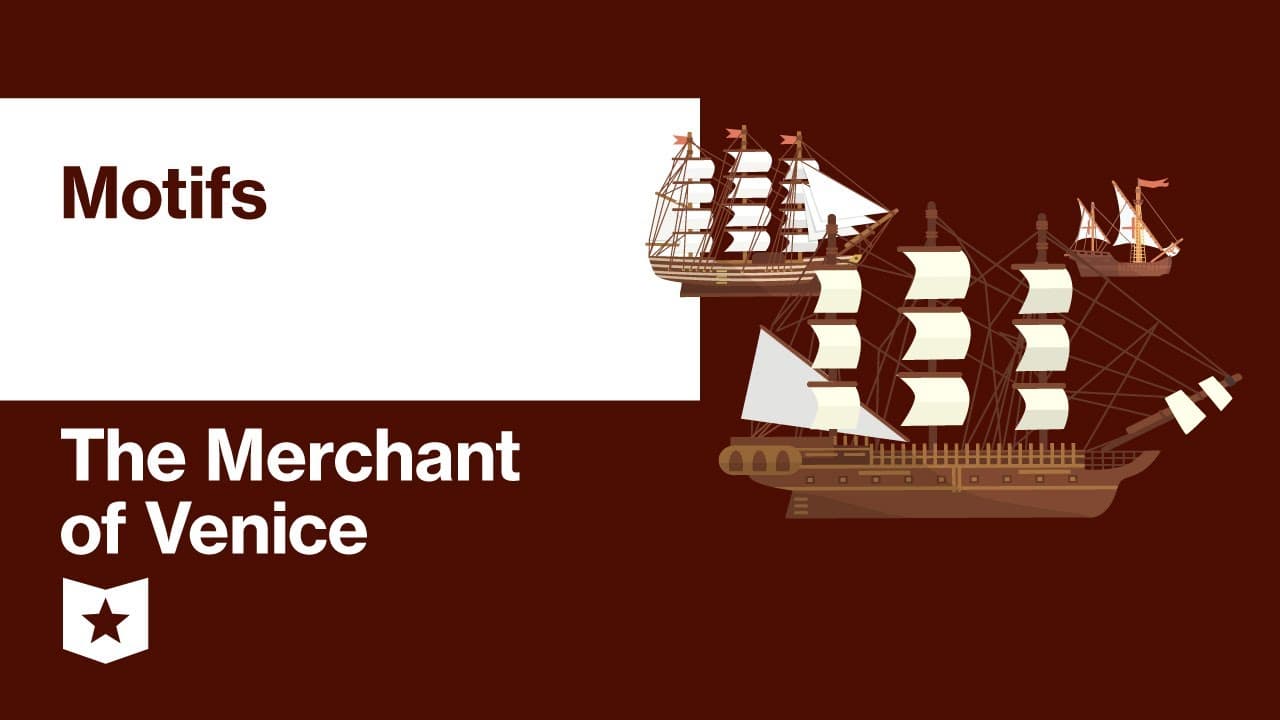
Ships, disguise, illusion, and wordplay are central motifs in The Merchant of Venice, showcasing mobility, deception, cultural references, and clever wordplay.
Transcript
ships disguise illusion and wordplay are the central motifs lining the paths of the narratives in the play The Merchant of Venice first off Venice is a city built on a series of islands connected by a network of waterways and canals ships are the primary means of transportation and show mobility and motion in this environment ships are also the fou... Read More
Key Insights
- ⚓ Ships symbolize mobility and trade in Venice.
- 🥅 Disguise is used by characters to achieve their goals.
- 🪜 Illusions add depth through cultural and artistic references.
- 👊 Wordplay, including puns and riddles, enriches the dialogue.
- 🏛️ Cultural references from the Bible and classical mythology are prevalent.
- 🖐️ Disguise, illusion, and wordplay are central motifs in the play.
- 💍 Shakespeare's clever wordplay entertains and engages audiences.
Install to Summarize YouTube Videos and Get Transcripts
Explore YouTube Video Summarizer or Get YouTube Transcript Extractor
Questions & Answers
Q: How do ships symbolize mobility and trade in The Merchant of Venice?
Ships in the play represent mobility and trade, showcasing the importance of transportation and commerce in Venice. Antonio's fortunes are directly tied to the ships that carry the goods he trades as a merchant.
Q: What role does disguise play in The Merchant of Venice?
Disguise is significant in the play, with characters like Jessica, Portia, and Nerissa using it to achieve their goals. Whether escaping, testing loyalty, or gaining advantage, disguise is a central motif in the story.
Q: How are illusions utilized in The Merchant of Venice?
Illusions in the play serve as literary devices that allude to cultural or artistic references without explicit explanation. Characters draw on biblical and classical references to explore themes of money lending, revenge, and mercy, enriching the narrative.
Q: How does wordplay enhance the dialogue in The Merchant of Venice?
Wordplay, especially through puns and linguistic near-misses, adds depth and humor to Shakespeare's dialogue. Characters like Portia use wordplay to reveal multiple meanings, creating a rich and engaging language experience for the audience.
Summary & Key Takeaways
-
In The Merchant of Venice, ships symbolize mobility and trade, with Antonio's fortunes tied to their success.
-
Disguise plays a key role, with characters like Jessica, Portia, and Nerissa using it to achieve their goals.
-
Illusions and wordplay add depth, with biblical and classical references enriching the characters' dialogues.
Read in Other Languages (beta)
Share This Summary 📚
Summarize YouTube Videos and Get Video Transcripts with 1-Click
Try YouTube Summary with ChatGPT & Claude or YouTube Transcript Generator
Explore More Summaries from Course Hero 📚



Summarize YouTube Videos and Get Video Transcripts with 1-Click
Try YouTube Summary with ChatGPT & Claude or YouTube Transcript Generator