Hull-Down Position (Military Tactic)
TL;DR
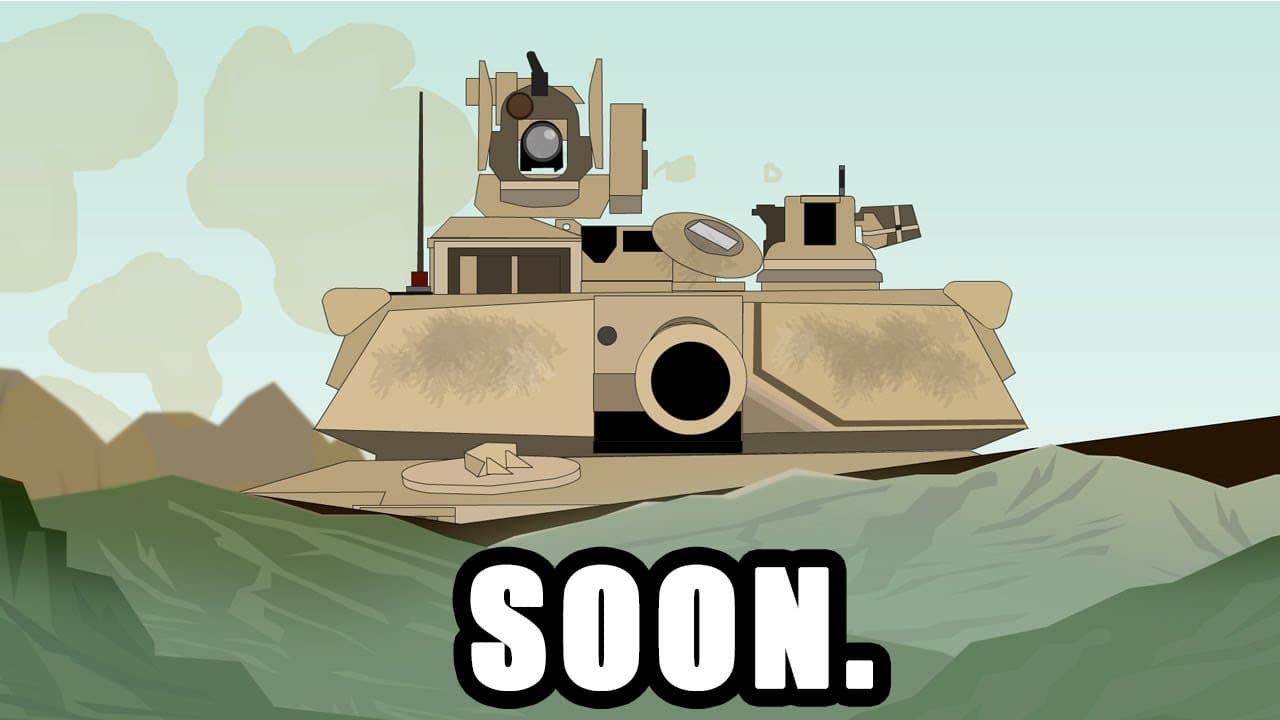
Tank commanders in World War II developed the hull down position as a defensive tactic, where tanks expose only their turrets to the enemy while utilizing terrain to reduce the tank's visibility and maximize the main gun's line of fire.
Transcript
this episode is brought to you by conflict of nations the popular free online strategy game conflict of nations is set in the early 21st century and features modern day weapons and technology to have the edge over the enemy teams you can build the right infrastructure and research new units such as nuclear ballistic submarines combat attack helicop... Read More
Key Insights
- 🥺 Tank warfare reached its full potential during World War II, leading to the development of various tactical maneuvers, including the hull down position.
- 👻 The hull down position allowed tank commanders to maximize the tank's defensive capabilities by minimizing its visibility and exposing only the turret.
- 🧘 Terrain features such as hills, embankments, depressions, and cover were essential in achieving the hull down position.
- 🧘 Tanks with a negative elevation of the main gun were more suitable for utilizing the hull down position.
- 🫥 The hull down position was primarily used for defensive operations, with tanks deployed in defense lines.
- 🧘 Switching from a defensive to offensive position while in a hull down position presented challenges and increased vulnerability.
- 🧘 A well-positioned tank platoon in a hull-down position could effectively hold off and eliminate a more numerous enemy.
Install to Summarize YouTube Videos and Get Transcripts
Explore YouTube Video Summarizer or Get YouTube Transcript Extractor
Questions & Answers
Q: What is the hull down position in tank warfare?
The hull down position is a tank tactic where only the turret of a tank is exposed to the enemy while utilizing terrain features to reduce the tank's visibility and maximize firing capability.
Q: What was the purpose of using the hull down position?
The aim of the hull down position was to minimize the tank's silhouette, exposing only areas with strong armor, and to provide a defensive advantage by utilizing terrain for cover.
Q: How was the hull down position achieved?
Tank commanders achieved the hull down position by utilizing features of the terrain, such as positioning the tank on the back slope of a hill or using depressions or cover to hide the tank's hull.
Q: What were the drawbacks of using the hull down position?
The hull down position had limitations, including being applicable only in certain terrain situations and to tanks with a sufficient negative elevation of the main gun. The static nature of the position also increased the possibility of the enemy outmaneuvering the tank.
Summary & Key Takeaways
-
Tanks became a significant force in combat during World War II, and tank warfare saw the development of various tactics, including the hull down position.
-
The hull down position involves positioning a tank in a way that only the turret is exposed, reducing the tank's silhouette and maximizing the main gun's firing capability.
-
Tank commanders utilized terrain features such as hills, embankments, depressions, or cover to achieve the hull down position for defensive operations.
Read in Other Languages (beta)
Share This Summary 📚
Summarize YouTube Videos and Get Video Transcripts with 1-Click
Try YouTube Summary with ChatGPT & Claude or YouTube Transcript Generator
Explore More Summaries from Simple History 📚

Summarize YouTube Videos and Get Video Transcripts with 1-Click
Try YouTube Summary with ChatGPT & Claude or YouTube Transcript Generator