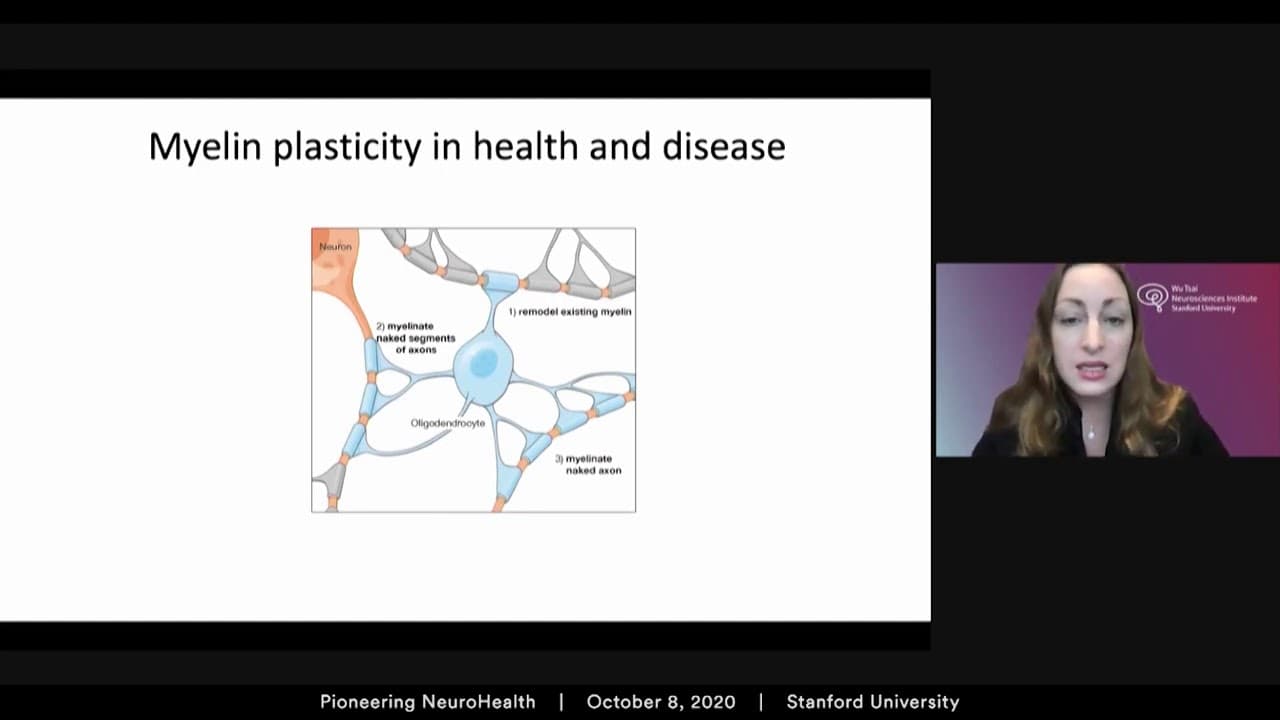
Neuron-glial interactions in health and disease: from cognition to cancer
TL;DR
Dr. Walter Koroshetz discusses the current state of neuroscience, emphasizing the importance of neuroscientific research, funding, and the potential for groundbreaking advancements in understanding and treating neurological disorders.
Transcript
(upbeat music) - It's now my pleasure to introduce our next speaker. Our next speaker is Dr. Walter Koroshetz who's the current director of the National Institute for Neurological Disorders and Stroke. And I promised to keep my introduction short. so I'm gonna do that. Dr. Koroshetz got his MD at University of Chicago, and then trained in both medi... Read More
Key Insights
- 🇺🇸 Neuroscience research is crucial for understanding and treating neurological disorders, which are the leading cause of disability in the United States.
- 👻 The BRAIN Initiative is driving advancements in neurotechnologies, allowing scientists to gain insights into brain circuits and potentially develop new treatments.
- 👨🔬 Challenges in neuroscience research include the need to prioritize molecular science, handle big data, broaden research models beyond mice, and address ethical considerations.
Install to Summarize YouTube Videos and Get Transcripts
Explore YouTube Video Summarizer or Get YouTube Transcript Extractor
Questions & Answers
Q: What is the significance of the Golden Age of Neuroscience in understanding and treating neurological disorders?
The Golden Age of Neuroscience represents an unprecedented era of advancements in understanding the brain and its disorders. With increased funding and resources, researchers can delve into the molecular and cellular processes underlying brain function, leading to potential breakthroughs in diagnosing and treating neurological disorders.
Q: How is the BRAIN Initiative contributing to neuroscience research?
The BRAIN Initiative focuses on developing innovative neurotechnologies to map, monitor, and modulate brain circuits. These advancements enable scientists to gain a deeper understanding of brain activity, connectivity, and functioning, ultimately leading to significant discoveries and potential treatments for neurological disorders.
Q: What are the challenges currently faced in neuroscience research?
Some of the challenges include the need to prioritize molecular science, address the big data problem in sharing and analyzing research data, expand research beyond the mouse model to encompass the complexity of the human nervous system, and explore non-human primate models. Additionally, as neurotechnologies advance, it is important to consider ethical considerations surrounding their use.
Q: How is NINDS addressing the need for diversity in the scientific workforce?
NINDS has various programs in place to support diversity in the scientific workforce. These include grant programs for undergraduate, PhD, postdoc, and faculty levels, as well as initiatives to improve diversity in neurology and neurosurgery. Additionally, NINDS is working on the FIRST Program, which aims to hire cohorts of diverse scientists and improve institutional cultures to promote diversity.
Summary & Key Takeaways
-
Dr. Koroshetz highlights the importance of neuroscience research in understanding and treating neurological disorders, which are the leading cause of disability in the United States.
-
He discusses the funding and resources available for neuroscience research through institutes like NINDS and the BRAIN Initiative.
-
Dr. Koroshetz presents several challenges in neuroscience, including the need to prioritize molecular science, address the big data problem, focus on non-human primate models, and address ethical considerations in the development of neurotechnologies.
Read in Other Languages (beta)
Share This Summary 📚
Summarize YouTube Videos and Get Video Transcripts with 1-Click
Try YouTube Summary with ChatGPT & Claude or YouTube Transcript Generator
Explore More Summaries from Stanford 📚



Summarize YouTube Videos and Get Video Transcripts with 1-Click
Try YouTube Summary with ChatGPT & Claude or YouTube Transcript Generator