The "natural" label on your food is baloney
TL;DR
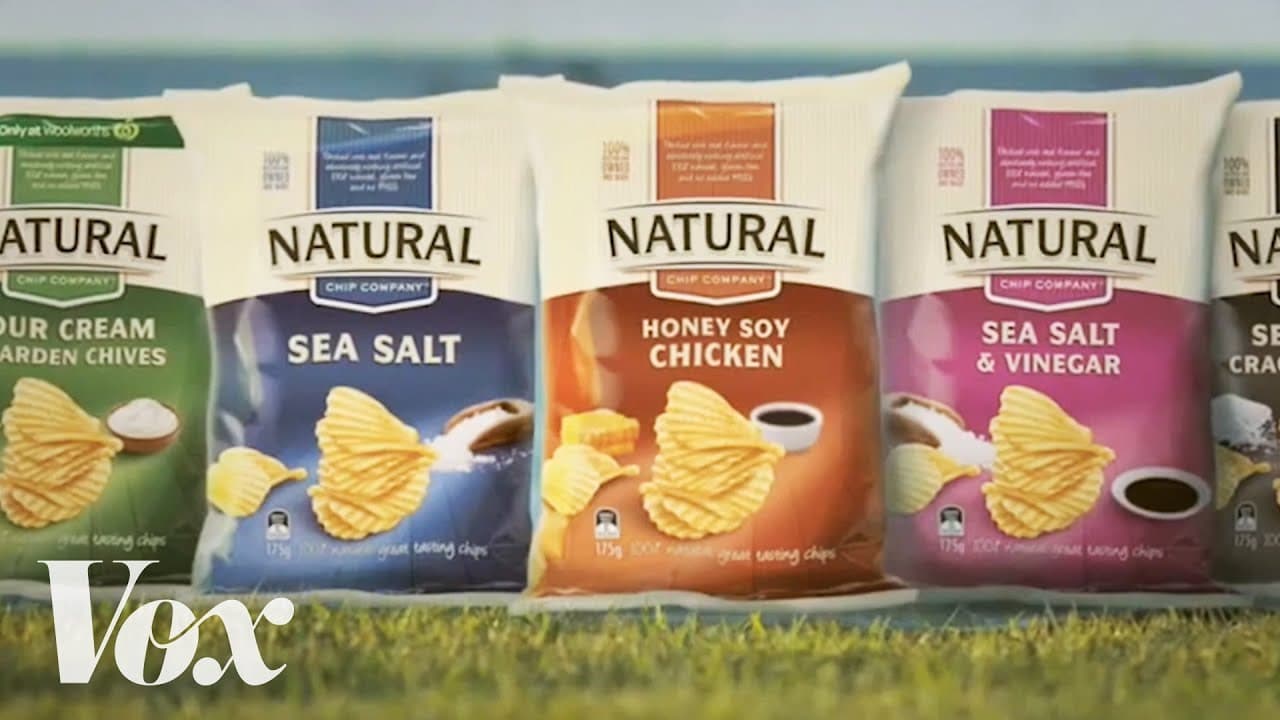
The 'natural' label on food is often misleading and undefined.
Transcript
So I’m at my neighborhood grocery store, doing my shopping for the week. I’m kind of a health nut, so I go right for the stuff labeled “natural.” What is carrageenan? Alright, all-natural chicken breasts. Wow, okay. Corn syrup solids? Maltodextrin? Dextrose? Got some natural cheese. Natamycin? What the hell is that? I’m not alone in my confusion. T... Read More
Key Insights
- The term 'natural' on food labels is misleading and lacks a strict definition, causing consumer confusion.
- The FDA and USDA have different roles in food regulation, with the FDA overseeing processed foods and the USDA handling meat, eggs, and poultry.
- The FDA does not provide a strict definition for 'natural,' leading to uncertainty about what the label truly means.
- The USDA's definition of 'natural' for meat and poultry is limited, not addressing animal welfare or feed quality.
- Consumer Reports has advocated for banning the term 'natural' due to its misleading nature.
- Sales of organic products have surged, while 'natural' labels are used to exploit consumer preferences without meeting organic standards.
- The FDA is considering creating a stricter definition for 'natural' following public feedback, but it may not equate to 'healthy.'
- Processed foods often contain high levels of natural ingredients like salt and sugar, posing more health risks than synthetic additives.
Install to Summarize YouTube Videos and Get Transcripts
Explore YouTube Video Summarizer or Get YouTube Transcript Extractor
Questions & Answers
Q: What does the 'natural' label on food products mean?
The 'natural' label on food products is often misleading and lacks a strict definition from regulatory bodies like the FDA. It generally implies that a product is free from artificial ingredients, but this is not necessarily the case. The USDA has a slightly more specific definition for meat and poultry, but it still doesn't address factors like animal welfare or feed quality.
Q: How does the FDA regulate products labeled as 'natural'?
The FDA regulates processed foods but does not have a strict definition for what constitutes 'natural.' This lack of clarity results in consumer confusion, as many believe 'natural' products are free from chemicals and artificial ingredients. The FDA is currently considering whether to establish a stricter definition for the term.
Q: Why has Consumer Reports called for banning the 'natural' label?
Consumer Reports has called for banning the 'natural' label because it is misleading and lacks a consistent definition, leading consumers to believe that such products are free from artificial ingredients and chemicals. This ambiguity allows food companies to exploit consumer preferences without adhering to the rigorous standards required for organic certification.
Q: How do the USDA's regulations differ from the FDA's regarding 'natural' labels?
The USDA regulates meat, eggs, and poultry, and its definition of 'natural' is slightly more specific than the FDA's. It states that no artificial ingredients can be added after slaughter. However, this definition does not consider animal welfare, feed quality, or the use of hormones and antibiotics, leaving much to be desired in terms of transparency.
Q: What is the financial impact of 'natural' and organic labels on the food industry?
The financial impact of 'natural' and organic labels is significant. Sales of organic food products have surged from nearly $14 billion in 2005 to almost $40 billion in 2015. Companies often use 'natural' labels to tap into consumer interest without undergoing the expensive and time-consuming process of obtaining organic certification.
Q: What potential changes are being considered for the 'natural' label?
The FDA has recently completed a public comment period to determine whether a stricter definition for the 'natural' label should be established. This change could help reduce consumer confusion, but it may not necessarily equate 'natural' with 'healthy,' as the presence of high levels of salt and sugar in processed foods remains a concern.
Q: What are the health risks associated with processed foods labeled as 'natural'?
Processed foods labeled as 'natural' can still pose health risks due to high levels of natural ingredients like salt and sugar. While some food additives are deemed safe, these natural components can contribute to health issues such as hypertension and obesity, which are more concerning than the presence of synthetic additives.
Q: How do consumer perceptions of 'natural' products differ from reality?
Consumer perceptions of 'natural' products often include the belief that they are free from chemicals, artificial ingredients, and pesticides. However, this is not necessarily true, as the FDA's lack of a strict definition means that 'natural' products can still contain these elements, leading to a disconnect between consumer expectations and reality.
Summary & Key Takeaways
-
The term 'natural' on food labels is often misleading, as it lacks a strict definition from the FDA, leading to consumer confusion. While the USDA regulates meat and poultry, the term doesn't reflect animal welfare or feed quality, making it a marketing tool rather than a health indicator.
-
Consumer Reports has pushed for banning the 'natural' label due to its deceptive nature. Despite its ambiguity, sales of organic products, which undergo stricter regulation, have increased significantly. The FDA is considering defining 'natural,' but it may not imply healthiness.
-
Processed foods may contain high levels of natural ingredients like salt and sugar, which pose significant health risks. While some food additives are safe, the 'natural' label can be misleading, as it doesn't necessarily mean the absence of synthetic additives or GMOs.
Read in Other Languages (beta)
Share This Summary 📚
Summarize YouTube Videos and Get Video Transcripts with 1-Click
Try YouTube Summary with ChatGPT & Claude or YouTube Transcript Generator
Explore More Summaries from Vox 📚



Summarize YouTube Videos and Get Video Transcripts with 1-Click
Try YouTube Summary with ChatGPT & Claude or YouTube Transcript Generator