The Most Decorated Soldier Who Didn't Want To Be There
TL;DR
Reluctant soldier Alvin York became a World War I hero despite initial pacifist beliefs.
Transcript
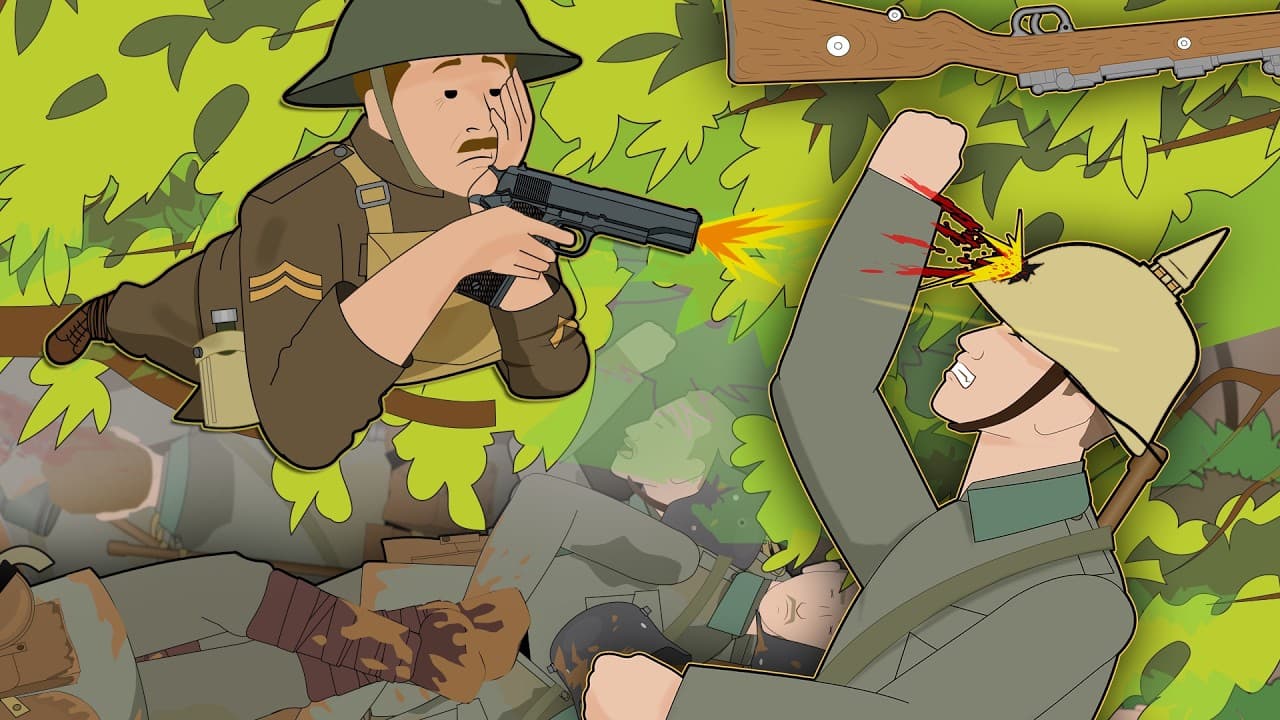
The Reluctant man too good at killing Alvin York when the United States entered the first world war many jumped at the opportunity to join the fighting others however were sent to the trenches against their will of these reluctant Warriors some would rise to the occasion and become war heroes in spite of their hesitancy to fight perhaps the most fa... Read More
Key Insights
- 💪 Alvin York was born into poverty, receiving limited formal education but developed a strong moral compass through religion.
- ↩️ Despite being a conscientious objector, York's leadership and skills during combat turned him into a war hero, showcasing the complexity of duty versus personal beliefs.
- 🧘 The Meuse-Argonne Offensive was pivotal, involving massive U.S. troop deployments against fortified German positions, highlighting the challenges of modern warfare.
- 🏛️ York's combat experience built on prior hunting skills, emphasizing the importance of adaptability and survival instincts in battle.
- 🥺 His valor led to significant German surrender, reinforcing the effectiveness of American forces when unified and led by capable soldiers.
- 🫱 Post-war, York's commitment to charity demonstrates how veterans can leverage their experiences for community improvement, promoting socio-economic upliftment.
- 🖐️ "Sergeant York," released in 1941, played a crucial role in popularizing his legacy, intertwining Hollywood and historical narratives.
Install to Summarize YouTube Videos and Get Transcripts
Explore YouTube Video Summarizer or Get YouTube Transcript Extractor
Questions & Answers
Q: What factors influenced Alvin York's transformation from a reluctant soldier to a war hero?
York's transformation was heavily influenced by his conversion to Christianity, which instilled strong pacifist beliefs. However, after engaging in a debate with his commander about the morality of fighting, combined with extensive prayer and reflection, he ultimately felt compelled to serve and defend his country despite his initial hesitance.
Q: Can you describe the significant events that took place during the Meuse-Argonne Offensive?
The Meuse-Argonne Offensive was one of the largest operations involving the U.S. military in World War I, lasting from September 26 to November 11, 1918. The offensive encountered stiff German resistance, leading to stalled advances. York, during this campaign, undertook a critical mission to silence German machine guns, which turned the tide for his battalion, showcasing his exceptional marksmanship and leadership.
Q: What recognition did Alvin York receive for his actions during World War I?
For his bravery, York was initially awarded the Distinguished Service Cross, which was later upgraded to the Medal of Honor in April 1919 following a review of his heroic actions. He also received several foreign awards, including the French Croix de Guerre, for his exceptional contribution during the war.
Q: How did York's post-war life reflect his values and experiences from the war?
Following the war, Alvin York sought to use his fame for good, focusing on charitable work that benefitted impoverished communities in Appalachia. His humility was evident, as he preferred a quiet life rather than the limelight, engaging in public service and supporting veterans while using his experiences to advocate for those in need.
Summary & Key Takeaways
-
Alvin York, born in Tennessee, faced a poor upbringing and only received nine months of formal education before becoming a soldier in World War I. His early life included a transformation from a wayward youth to a committed Christian.
-
Drafted into service during World War I, York struggled with his pacifist beliefs but eventually decided to fight after extensive reflection. His bravery and marksmanship during the Meuse-Argonne Offensive led to significant German losses and many enemy surrenders.
-
After the war, Alvin York returned to his hometown and dedicated himself to charitable causes, particularly in improving living conditions in Appalachia. He later became a famous figure through the 1941 film "Sergeant York" starring Gary Cooper.
Read in Other Languages (beta)
Share This Summary 📚
Summarize YouTube Videos and Get Video Transcripts with 1-Click
Try YouTube Summary with ChatGPT & Claude or YouTube Transcript Generator
Explore More Summaries from Simple History 📚

Summarize YouTube Videos and Get Video Transcripts with 1-Click
Try YouTube Summary with ChatGPT & Claude or YouTube Transcript Generator