How To Quit Drinking | Mel Robbins
TL;DR
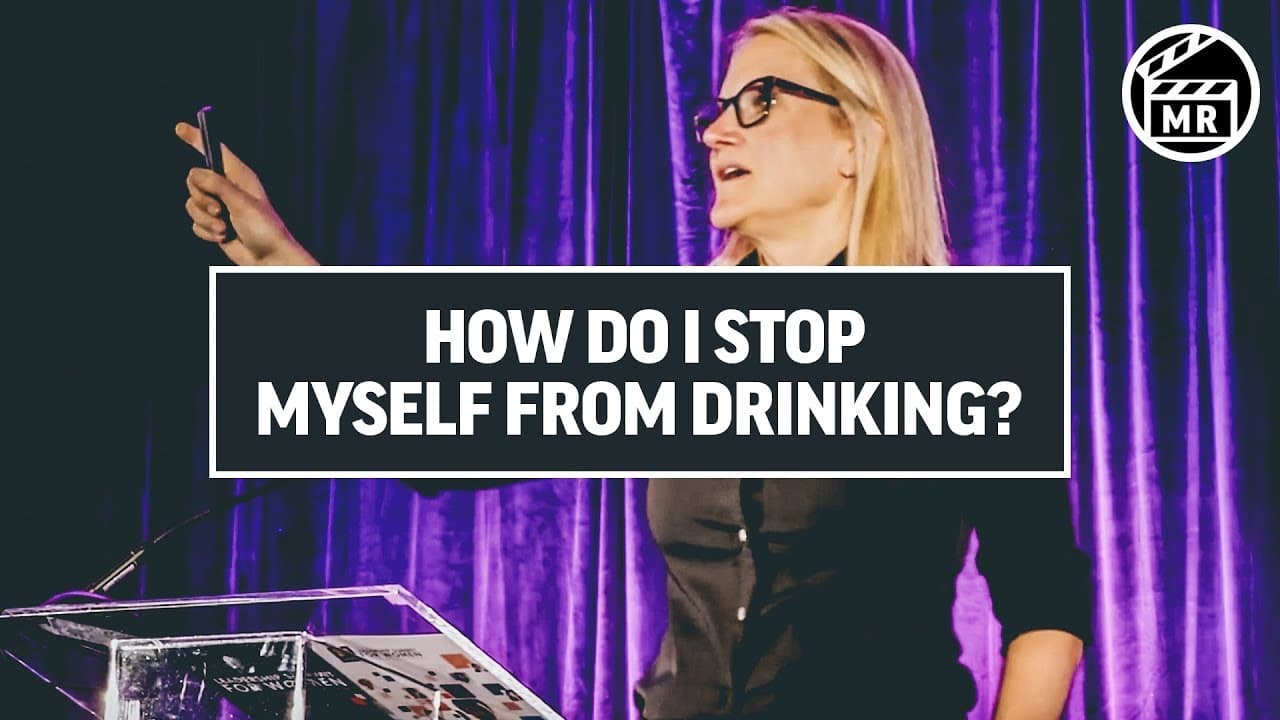
Use the 'five-four-three-two-one' technique to interrupt cravings and implement an 'if-then' plan with a substitute activity to manage not drinking during the week.
Transcript
it's five o'clock I can feel that wine I can feel it right I'm thinking I'm a cook at some erm have a little Rosie this is gonna be awesome and then do you go through the thing where you say to yourself why did I say I wasn't gonna drink tonight what do you want to stop doing oh okay yes count backwards all night yep god I love you you know there's... Read More
Key Insights
- 🍻 Addiction can be linked to habit dysfunction and emotional triggers.
- 💭 The 'five-four-three-two-one' technique is effective in interrupting cravings and negative thoughts.
- ❓ 'If-then' planning provides a substitute activity to fulfill the ritual and relaxation associated with drinking.
- 🍧 The desire to drink can be managed by having a mocktail or alternative option available.
- 👯 Addiction may be influenced by the people you surround yourself with.
- 🧑⚕️ Addiction and mental health issues often coexist, particularly PTSD.
- 🥳 Time of day and environment play significant roles in triggering addictive behaviors.
Install to Summarize YouTube Videos and Get Transcripts
Explore YouTube Video Summarizer or Get YouTube Transcript Extractor
Questions & Answers
Q: How can habit dysfunction contribute to addiction?
Habit dysfunction plays a significant role in addiction as it creates an autopilot response to triggers, such as emotions or specific environments, leading to the repetitive behavior of substance or alcohol abuse.
Q: How can the 'five-four-three-two-one' technique help in managing the urge to drink?
The 'five-four-three-two-one' technique can interrupt negative thoughts and cravings by counting backward from five, distracting the mind from the desire to drink and bringing focus back to the present moment.
Q: What is the effectiveness of 'if-then' planning in avoiding drinking during the week?
'If-then' planning is highly effective in managing not drinking during the week. By establishing a substitute activity, such as preparing a fun mocktail, individuals can fulfill the ritual and relaxation aspects associated with drinking without consuming alcohol.
Q: Why do some people find comfort in having a drink at the end of the day?
For many individuals, the act of having a drink at the end of the day is more about the ritual and treating themselves rather than solely seeking the buzz from alcohol. It signifies the end of the day, relaxation, and a sense of self-care.
Summary & Key Takeaways
-
Addiction is often a result of habit dysfunction and emotional triggers, such as time of day or the presence of certain people.
-
To manage the urge to drink, use the 'five-four-three-two-one' technique to interrupt negative thoughts and cravings.
-
Implement an 'if-then' plan, such as having a mocktail ready, to substitute the ritual and relaxation associated with drinking.
Read in Other Languages (beta)
Share This Summary 📚
Summarize YouTube Videos and Get Video Transcripts with 1-Click
Try YouTube Summary with ChatGPT & Claude or YouTube Transcript Generator
Explore More Summaries from Mel Robbins 📚


Summarize YouTube Videos and Get Video Transcripts with 1-Click
Try YouTube Summary with ChatGPT & Claude or YouTube Transcript Generator