Why Do Economies Experience Recessions?
TL;DR
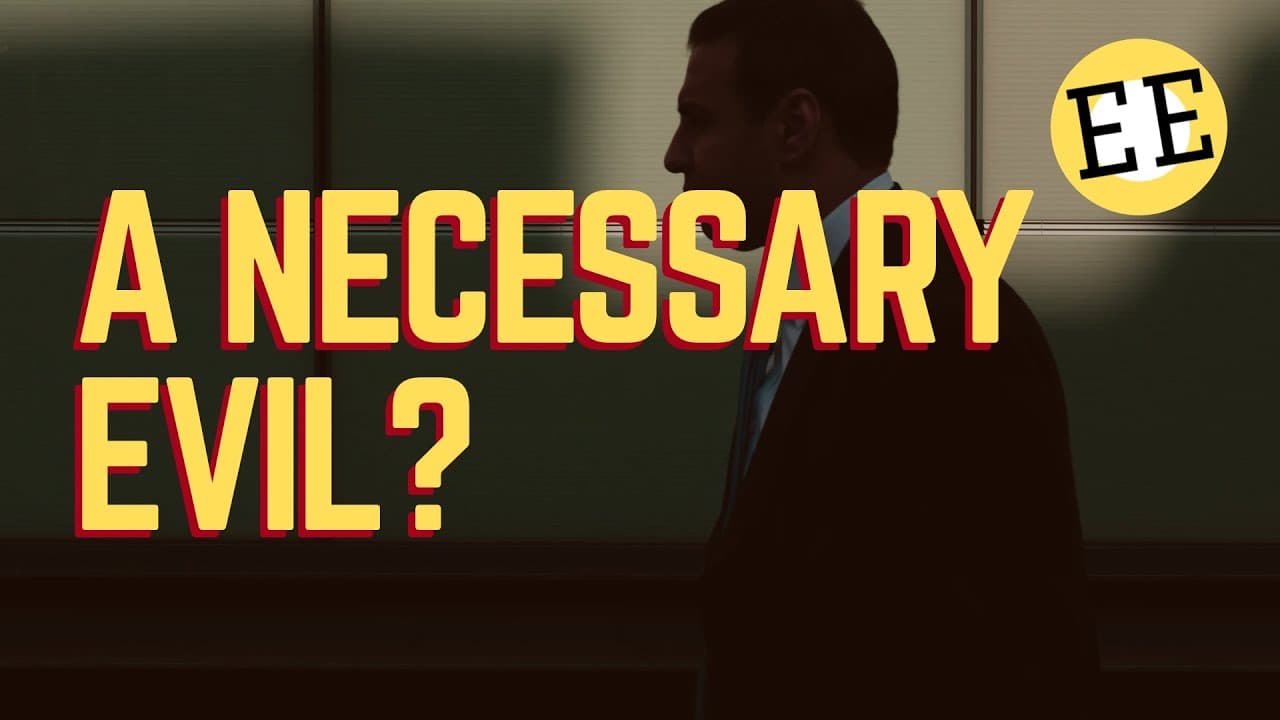
Recessions are often man-made and not inevitable, caused by demand and supply shocks. Historically rare, they're now more common due to modern economic systems. While not necessary, recessions can help correct economic imbalances, reallocating resources for future growth. They serve as a reset, allowing economies to address inefficiencies and prepare for subsequent booms.
Transcript
Most people agree that recessions are terrible events that cause widespread fear; raising financial anxiety about having sufficient savings, livelihood, or even the next meal. On a nationwide level, economic downturns are akin to natural disasters; both of which wreak massive damage, and for the most part, are widely accepted by society as an ... Read More
Key Insights
- Recessions are often seen as inevitable but are largely man-made phenomena.
- Historically, recessions were rare and often caused by tangible events like wars or natural disasters.
- Modern recessions are more frequent due to demand shocks and consumer confidence issues.
- Supply shocks, like natural disasters, can cause recessions but are less common in large economies.
- Demand-based recessions are driven by reduced consumer spending due to factors like debt and economic uncertainty.
- The shift to mechanized production has made consumer demand a bottleneck in the modern economy.
- Recessions can serve a purpose by correcting economic imbalances and reallocating resources efficiently.
- Counter-cyclical fiscal and monetary policies can help mitigate the effects of recessions but don't eliminate them.
Install to Summarize YouTube Videos and Get Transcripts
Explore YouTube Video Summarizer or Get YouTube Transcript Extractor
Questions & Answers
Q: What causes modern recessions?
Modern recessions are primarily caused by demand shocks, where consumer spending decreases due to economic uncertainty or debt concerns. Supply shocks, such as natural disasters, can also lead to recessions, but these are less common in large, diversified economies. The shift to mechanized production has made consumer demand a critical factor in modern economies.
Q: How do supply shocks lead to recessions?
Supply shocks, such as natural disasters or major disruptions, can lead to recessions by significantly reducing a nation's ability to produce goods and services. When production is hampered, GDP declines, leading to a recession if the downturn lasts more than two quarters. However, these types of recessions are relatively rare in large, diversified economies.
Q: Why are demand-based recessions more common today?
Demand-based recessions are more common today due to the modern economic structure, where consumer demand is a bottleneck. Factors like consumer confidence, debt, and economic uncertainty impact spending habits. When consumers reduce spending, GDP declines, leading to a recession. The mechanization of production has shifted the focus to consumer demand as the primary driver of economic activity.
Q: What role do fiscal and monetary policies play during recessions?
Fiscal and monetary policies play a crucial role in mitigating the effects of recessions. Counter-cyclical fiscal policies, such as government spending and tax cuts, aim to boost economic activity. Monetary policies, like lowering interest rates, encourage borrowing and spending. While these measures can alleviate recession impacts, they don't eliminate recessions entirely.
Q: Are recessions necessary for economic health?
Recessions are not strictly necessary, but they can serve a purpose in correcting economic imbalances. They allow economies to address inefficiencies, reallocate resources, and prepare for future growth. Recessions help alleviate misallocated debt, over-speculated markets, and avoid slack labor, ultimately contributing to a more balanced and sustainable economic environment.
Q: How do recessions affect employment?
Recessions often lead to higher unemployment rates as businesses cut costs and reduce their workforce. However, this also creates opportunities for businesses to hire skilled workers at lower costs. During recessions, the labor market becomes more competitive, allowing businesses to improve efficiency by attracting highly qualified staff, which can enhance productivity and output in the long term.
Q: What is the impact of consumer confidence on recessions?
Consumer confidence significantly impacts recessions, as it influences spending habits. When consumers are uncertain about their financial future or job security, they tend to reduce spending, leading to decreased demand for goods and services. This reduction in spending contributes to GDP decline, potentially triggering a recession if sustained over time. Maintaining consumer confidence is crucial for economic stability.
Q: How do recessions help correct economic imbalances?
Recessions help correct economic imbalances by forcing economies to reassess and reallocate resources. They address issues like misallocated debt, over-speculated markets, and slack labor. By allowing inefficient businesses to fail and reallocating resources to more productive areas, recessions can lead to a healthier, more balanced economy, setting the stage for future growth and prosperity.
Summary & Key Takeaways
-
Recessions are primarily man-made, occurring due to demand and supply shocks. Historically rare, they have become more frequent with modern economic systems. While not necessary, they help correct economic imbalances, reallocating resources for future growth. Recessions allow economies to address inefficiencies and prepare for subsequent booms.
-
Supply shocks, like natural disasters, are less common but can still cause recessions. Demand-based recessions are more prevalent, driven by reduced consumer spending due to debt and uncertainty. Mechanized production has shifted the bottleneck to consumer demand, making it a crucial focus in modern economies.
-
Counter-cyclical fiscal and monetary policies can mitigate recession effects but don't eliminate them. Recessions serve as a reset, allowing economies to address inefficiencies and prepare for future growth. They help correct economic imbalances, reallocating resources for sustained long-term benefits.
Read in Other Languages (beta)
Share This Summary 📚
Summarize YouTube Videos and Get Video Transcripts with 1-Click
Try YouTube Summary with ChatGPT & Claude or YouTube Transcript Generator
Explore More Summaries from Economics Explained 📚



Summarize YouTube Videos and Get Video Transcripts with 1-Click
Try YouTube Summary with ChatGPT & Claude or YouTube Transcript Generator