#066 Anti inflammatory food diet for chronic inflammation, chronic pain and arthritis
TL;DR
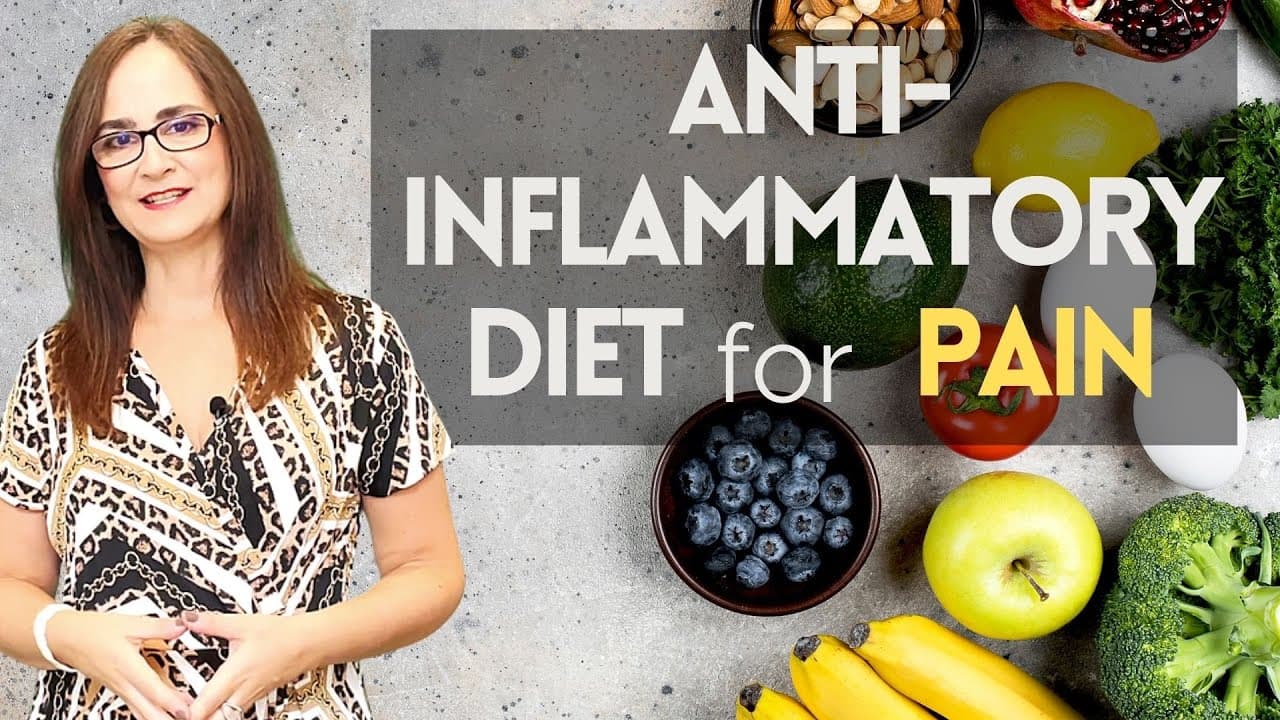
Changing our diet can help reduce inflammation and improve symptoms in people with chronic inflammatory diseases, and the anti-inflammatory diet involves avoiding certain foods while incorporating healthier options.
Transcript
Is it possible to reduce inflammation by changing our diet? The answer is yes. There are many scientific studies showing that certain foods cause inflammation while others reduce inflammation. Some people have chronic inflammatory diseases like rheumatoid arthritis, ankylosing spondylitis, ulcerative colitis and they report improvements in ... Read More
Key Insights
- ❓ Inflammation is a normal reaction of the body, but chronic inflammation in autoimmune diseases is not normal.
- 😊 Excess fat tissue can contribute to chronic inflammation due to the release of pro-inflammatory molecules.
- 🍓 The anti-inflammatory diet involves avoiding processed and unhealthy foods while emphasizing fresh, raw vegetables and fruits.
- 👨 Healthy fats, such as extra virgin olive oil and nuts, should replace unhealthy fats in the diet.
- 😪 Red meat should be limited, but not completely eliminated for those following an anti-inflammatory diet.
- 😪 Alcohol consumption should be reduced, and red wine can be a healthier option in moderation.
- 🍵 Excessive coffee intake should be avoided, and green tea can be a beneficial alternative.
Install to Summarize YouTube Videos and Get Transcripts
Explore YouTube Video Summarizer or Get YouTube Transcript Extractor
Questions & Answers
Q: What is the anti-inflammatory diet?
The anti-inflammatory diet involves avoiding foods that cause inflammation, such as white bread, white sugar, soda, processed foods, unhealthy fats, and excessive alcohol and coffee consumption. Instead, it encourages the consumption of fresh vegetables and fruits, healthy fats, beans, lentils, whole grains, and limiting red meat.
Q: Is the anti-inflammatory diet healthy?
Yes, the anti-inflammatory diet is considered healthy as it promotes the consumption of nutrient-rich foods, reduces processed and unhealthy food intake, and encourages a balanced, varied diet.
Q: How long do you have to try the anti-inflammatory diet to see benefits?
It is recommended to incorporate healthy eating habits into your life for the long term rather than following a radical diet for a few months. Making gradual changes and sticking to them is more effective than trying to adhere to a strict diet temporarily.
Q: Why should we limit alcohol and caffeine consumption?
Limiting alcohol intake is important to avoid intoxication, alcohol use disorder, and excess calorie intake. Similarly, excessive caffeine consumption can have negative effects on health, and adding cream, milk, sugars, or sweeteners to coffee can contribute to an unhealthy diet.
Key Insights:
- Inflammation is a normal reaction of the body, but chronic inflammation in autoimmune diseases is not normal.
- Excess fat tissue can contribute to chronic inflammation due to the release of pro-inflammatory molecules.
- The anti-inflammatory diet involves avoiding processed and unhealthy foods while emphasizing fresh, raw vegetables and fruits.
- Healthy fats, such as extra virgin olive oil and nuts, should replace unhealthy fats in the diet.
- Red meat should be limited, but not completely eliminated for those following an anti-inflammatory diet.
- Alcohol consumption should be reduced, and red wine can be a healthier option in moderation.
- Excessive coffee intake should be avoided, and green tea can be a beneficial alternative.
- Preparing and cooking meals at home is recommended to have better control over ingredients and portion sizes.
Summary & Key Takeaways
-
Scientific studies show that certain foods can cause inflammation, while others can reduce it, leading to improvements in symptoms for people with chronic inflammatory diseases.
-
Inflammation is a normal reaction of the body to threats, but in autoimmune diseases, chronic inflammation occurs when the immune system attacks normal cells.
-
Fat tissue releases pro-inflammatory molecules, so even with an anti-inflammatory diet, inflammation levels may not go down in overweight individuals.
Read in Other Languages (beta)
Share This Summary 📚
Summarize YouTube Videos and Get Video Transcripts with 1-Click
Try YouTube Summary with ChatGPT & Claude or YouTube Transcript Generator
Explore More Summaries from Dr. Andrea Furlan 📚
Summarize YouTube Videos and Get Video Transcripts with 1-Click
Try YouTube Summary with ChatGPT & Claude or YouTube Transcript Generator