How to Build Incorruptible Institutions
TL;DR
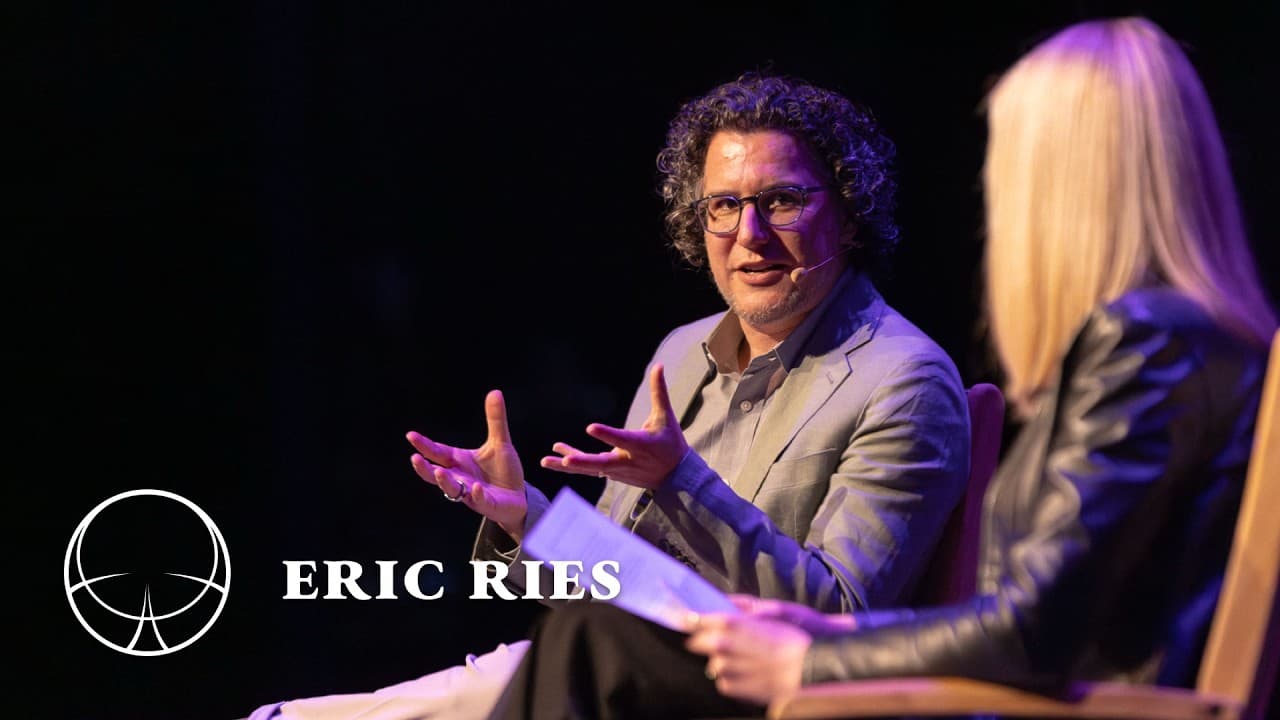
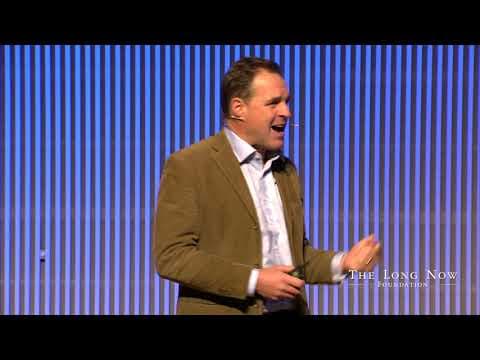
Eric Ries discusses the concept of building institutions designed to resist corruption and create long-term value. He emphasizes the importance of redefining profit to focus on human flourishing and the role of organizational design in achieving these goals. The conversation explores alternative governance structures and the potential for companies to act as positive forces in society.
Transcript
My view is that a for-profit company is one that maximizes human flourishing. That's what it means to make a profit. >> [music] [applause] >> Hi everyone. I couldn't actually imagine a better conversation for us to be engaging with together tonight because Eric's work has the sort of brass tacks and the decades of experience to bring to these quest... Read More
Key Insights
- A for-profit company should focus on maximizing human flourishing as a measure of true profit.
- The concept of financial gravity explains why companies often end up in similar, undesirable states.
- Alternative governance structures can help companies resist the pressures of financial gravity.
- Mission-driven companies tend to outperform others, offering competitive advantages in talent and customer loyalty.
- The current system of shareholder primacy is relatively young and can be changed.
- Companies like Novo Nordisk demonstrate the success of long-term, mission-driven governance structures.
- Individuals have power in the system through their choices as consumers, employees, and investors.
- The architecture of institutional longevity involves designing systems that can withstand external pressures and contribute positively to society.
Install to Summarize YouTube Videos and Get Transcripts
Explore YouTube Video Summarizer or Get YouTube Transcript Extractor
Questions & Answers
Q: How can companies resist financial gravity?
Companies can resist financial gravity by adopting alternative governance structures that prioritize long-term value creation and mission alignment. This involves redefining profit to focus on human flourishing and implementing systems that promote ethical decision-making and resilience against external pressures. Examples like Novo Nordisk show how such approaches can lead to sustainable success.
Q: What is financial gravity?
Financial gravity is a metaphor for the forces that pull companies towards short-term, extractive behaviors, often resulting in corruption and loss of mission focus. It explains why diverse companies often end up in similar, undesirable states despite different origins and goals. Understanding and counteracting financial gravity is crucial for building sustainable institutions.
Q: Why is shareholder primacy problematic?
Shareholder primacy is problematic because it prioritizes short-term financial returns over long-term value creation and ethical considerations. This focus can lead to extractive practices that harm employees, customers, and the environment. The concept is relatively young and not a fundamental aspect of capitalism, making it possible to redefine and replace with more sustainable approaches.
Q: How do mission-driven companies perform compared to others?
Mission-driven companies often outperform others by attracting and retaining talent, fostering customer loyalty, and achieving superior financial returns. Their commitment to a higher purpose beyond profit can create a competitive advantage and drive long-term success, as they align their operations with ethical and sustainable practices.
Q: What role do individuals play in shaping the economic system?
Individuals play a significant role in shaping the economic system through their choices as consumers, employees, and investors. By supporting mission-driven companies and questioning conventional practices, they can influence corporate behavior and encourage the adoption of sustainable and ethical business models. This collective action can drive systemic change.
Q: How can alternative governance structures benefit companies?
Alternative governance structures can benefit companies by aligning their operations with long-term missions and ethical values. These structures help resist short-term pressures and financial gravity, enabling companies to maintain focus on their core purpose and create sustainable value. Examples like Novo Nordisk demonstrate the success of such models in practice.
Q: What is the architecture of institutional longevity?
The architecture of institutional longevity refers to the design of systems and structures that ensure organizations can withstand external pressures and maintain their mission over time. This involves adopting governance models that prioritize long-term value creation, ethical decision-making, and resilience against financial gravity, leading to sustainable success.
Q: How can companies redefine profit to focus on human flourishing?
Companies can redefine profit by incorporating metrics that measure their impact on human flourishing, such as employee well-being, environmental sustainability, and social contributions. This shift requires re-evaluating traditional financial metrics and adopting practices that prioritize long-term value creation, ethical behavior, and positive societal impact.
Summary & Key Takeaways
-
Eric Ries argues that companies should redefine profit to focus on maximizing human flourishing rather than just financial returns. This shift in perspective can lead to more sustainable and ethical business practices. He highlights the importance of institutional design and governance structures in creating organizations that resist corruption and maintain their mission over time.
-
The conversation explores the concept of financial gravity, which pulls companies towards short-term, extractive behaviors, and how alternative governance models can counteract this force. Examples such as Novo Nordisk illustrate how mission-driven companies can achieve long-term success while adhering to their core values.
-
Ries emphasizes the role of individuals in shaping the system through their choices as consumers, employees, and investors. By supporting mission-driven companies and questioning conventional practices, people can contribute to building a more equitable and sustainable economic system.
Read in Other Languages (beta)
Share This Summary 📚
Summarize YouTube Videos and Get Video Transcripts with 1-Click
Try YouTube Summary with ChatGPT & Claude or YouTube Transcript Generator
Explore More Summaries from The Long Now Foundation 📚

Summarize YouTube Videos and Get Video Transcripts with 1-Click
Try YouTube Summary with ChatGPT & Claude or YouTube Transcript Generator