How is the U.S. Army Adjusting to Budget Cuts?
TL;DR
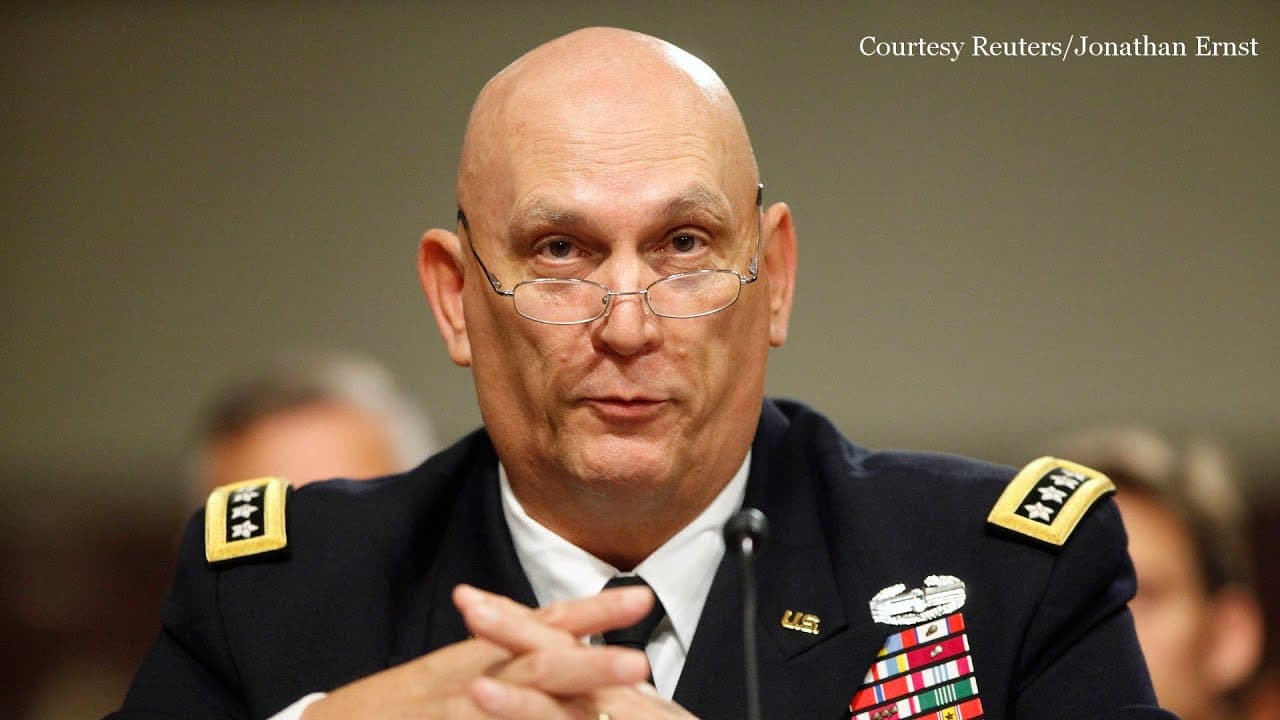
The U.S. Army is navigating a period of transition due to budget cuts and the end of deployments in Afghanistan. General Odierno emphasizes the importance of political agreement in Iraq and the need for continued U.S. support in Afghanistan to maintain stability. The Army is also focusing on rebalancing forces toward Asia while maintaining readiness despite financial constraints.
Transcript
SCIUTTO: Thanks very much to everyone for coming tonight. Welcome. A real honor for me to be sitting across from General Odierno, and I'm sure for all of you to join. I was reminding him that I met him for the first time in Fort Hood in 2003 before the Iraq invasion, when the 4th I.D., which he was commanding at the time, was meant to come from the... Read More
Key Insights
- The U.S. Army is facing significant budget cuts, impacting its readiness and modernization efforts.
- General Odierno stresses the importance of political agreement in Iraq for stability.
- Continued U.S. support in Afghanistan is crucial to prevent the Taliban's resurgence.
- The Army is rebalancing its focus toward Asia to maintain strategic presence.
- Sequestration has temporarily eased, but long-term budget constraints remain a concern.
- The Army is prioritizing leader development and maintaining a balance between readiness and modernization.
- International alliances are crucial, but many allies have reduced their land power capabilities.
- Cyber capabilities are a growing focus for the Army, with investments in training and recruitment.
Install to Summarize YouTube Videos and Get Transcripts
Explore YouTube Video Summarizer or Get YouTube Transcript Extractor
Questions & Answers
Q: How is the U.S. Army adjusting to budget cuts?
The U.S. Army is navigating budget cuts by focusing on maintaining a balance between readiness, end strength, and modernization. This involves a gradual reduction in force size and prioritizing investments in leader development and cyber capabilities. General Odierno emphasizes the need for strategic rebalancing towards Asia and continued international partnerships to ensure global stability.
Q: What is the U.S. Army's role in the Asia rebalance?
The U.S. Army plays a crucial role in the Asia rebalance by maintaining a strategic presence through 82,000 soldiers in the region. The Army is enhancing engagement with local armies, rebalancing equipment for humanitarian and contingency operations, and supporting logistical and missile defense capabilities. This effort aims to strengthen alliances and deter potential threats in the Asia-Pacific region.
Q: What challenges does the U.S. Army face in maintaining readiness?
The U.S. Army faces challenges in maintaining readiness due to budget constraints and ongoing global deployments. General Odierno highlights the importance of balancing force size with modernization and readiness. Sequestration has temporarily eased, but long-term financial constraints require careful management to ensure the Army remains prepared for potential conflicts and operational demands.
Q: Why is political agreement important for Iraq's stability?
Political agreement is crucial for Iraq's stability as it addresses the mistrust and divisions among different political entities. General Odierno notes that past efforts provided Iraq with security and economic opportunities, but political fragmentation led to renewed violence. A unified government is essential for representing all Iraqi people and preventing further instability.
Q: How does the U.S. Army plan to support Afghanistan post-drawdown?
Post-drawdown, the U.S. Army plans to support Afghanistan by helping build mature institutions and providing training and advisory assistance. General Odierno emphasizes the importance of sustaining Afghan security forces to prevent the Taliban's return. While economic challenges persist, continued U.S. presence aims to ensure long-term stability and counterterrorism efforts.
Q: What is the U.S. Army's approach to cyber capabilities?
The U.S. Army is investing heavily in cyber capabilities, focusing on strategic, operational, and tactical levels. This includes establishing a cyber center of excellence, developing career fields, and enhancing training programs. The Army aims to protect networks, conduct offensive operations, and integrate cyber as a maneuver element in future conflicts.
Q: How are international alliances impacting U.S. Army operations?
International alliances are crucial for U.S. Army operations, but many allies have reduced their land power, increasing reliance on U.S. leadership. The Army must integrate allied capabilities, understand their limitations, and maintain strong partnerships. This collaborative approach is essential for joint, multinational operations and addressing global security challenges.
Q: What role does leader development play in the U.S. Army's strategy?
Leader development is a top priority in the U.S. Army's strategy, focusing on adaptability, critical thinking, and decentralized decision-making. As warfare becomes more complex, training programs emphasize understanding cultural, political, and socioeconomic contexts. This approach prepares leaders to operate effectively in diverse environments and make informed decisions in rapidly changing situations.
Summary & Key Takeaways
-
The U.S. Army is in a transitional phase, adjusting to budget cuts and the end of major deployments. General Odierno highlights the need for political solutions in Iraq and sustained support for Afghanistan to ensure regional stability. The Army is also shifting focus toward Asia, aiming to maintain readiness and strategic presence despite financial challenges.
-
Sequestration has provided temporary relief, but the Army faces long-term budget constraints that impact its force size and modernization efforts. General Odierno emphasizes the importance of maintaining a balance between readiness and modernization, while also investing in leader development and cyber capabilities.
-
International alliances remain vital, but many allies have reduced their land power capabilities, placing more responsibility on the U.S. Army. The Army is enhancing its cyber capabilities and exploring new recruitment strategies to address emerging threats and maintain operational effectiveness in a complex global environment.
Read in Other Languages (beta)
Share This Summary 📚
Summarize YouTube Videos and Get Video Transcripts with 1-Click
Try YouTube Summary with ChatGPT & Claude or YouTube Transcript Generator
Explore More Summaries from Council on Foreign Relations 📚


Summarize YouTube Videos and Get Video Transcripts with 1-Click
Try YouTube Summary with ChatGPT & Claude or YouTube Transcript Generator