The Hidden World of Coral Reefs
TL;DR
Deep coral reefs, although often unseen, play a vital role in the ocean ecosystem and are impacted by human activities such as climate change, pollution, and oil drilling.
Transcript
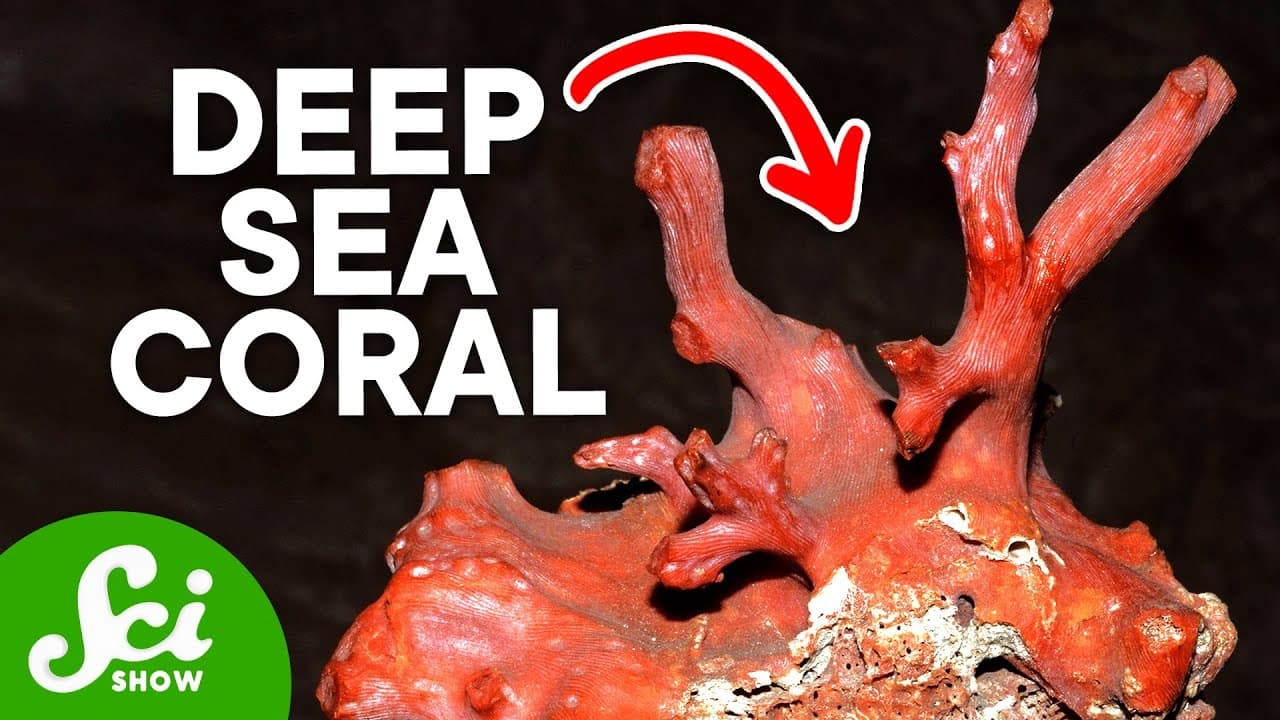
[♩INTRO] When you think about coral reefs, you probably imagine a sparkling tropical oasis that you can easily see while snorkeling or diving. But that’s just part of the picture when it comes to corals. Reefs can be found as deep as 8000 meters. In many ways, the corals of the deep are similar to shallower corals, but they also form their own weir... Read More
Key Insights
- 🧡 Deep coral reefs are ecologically important, providing habitat for a range of marine species and acting as spawning grounds for commercially valuable fish.
- 🙂 Deep corals have unique adaptations to survive in low light and cold conditions, but they are still susceptible to threats such as ocean acidification and pollution.
- 🪸 Human activities, including overharvesting, bottom trawling, and oil drilling, pose significant risks to deep coral ecosystems.
Install to Summarize YouTube Videos and Get Transcripts
Explore YouTube Video Summarizer or Get YouTube Transcript Extractor
Questions & Answers
Q: How do deep sea corals differ from shallow water corals?
Deep sea corals do not rely on algae for photosynthesis and have adapted to survive in low light conditions. They come in various vibrant colors and form habitats for marine species, but they do not build reefs like shallow corals.
Q: What is the main threat to deep sea corals?
Ocean acidification poses a significant threat to deep coral reefs, as it weakens their skeletons and reduces the availability of materials for skeleton formation. Additionally, pollution, such as microplastics, and oil drilling accidents can harm these fragile ecosystems.
Q: Why are deep corals so colorful?
Deep corals have various pigments, including carotenoids, which act as antioxidants and antibacterial compounds. These pigments are obtained from their diet and contribute to the stunning array of colors seen in deep corals.
Q: How long does it take for deep coral reefs to establish?
Deep coral reefs take hundreds of years to establish because deep corals have slow growth rates. The oldest coral known is over 4,000 years old, and it can take decades for these reefs to recover from disturbances.
Summary & Key Takeaways
-
Deep coral reefs exist as far down as 8000 meters, forming complex ecosystems that are similar to shallow reefs.
-
Deep corals do not rely on algae for photosynthesis like shallow corals but have other adaptations to survive in low light conditions.
-
Deep coral reefs provide essential habitat for a variety of marine species and are susceptible to threats such as ocean acidification, pollution, and oil drilling accidents.
Read in Other Languages (beta)
Share This Summary 📚
Summarize YouTube Videos and Get Video Transcripts with 1-Click
Try YouTube Summary with ChatGPT & Claude or YouTube Transcript Generator
Explore More Summaries from SciShow 📚





Summarize YouTube Videos and Get Video Transcripts with 1-Click
Try YouTube Summary with ChatGPT & Claude or YouTube Transcript Generator