India and Sri Lanka's violent fight over fish
TL;DR
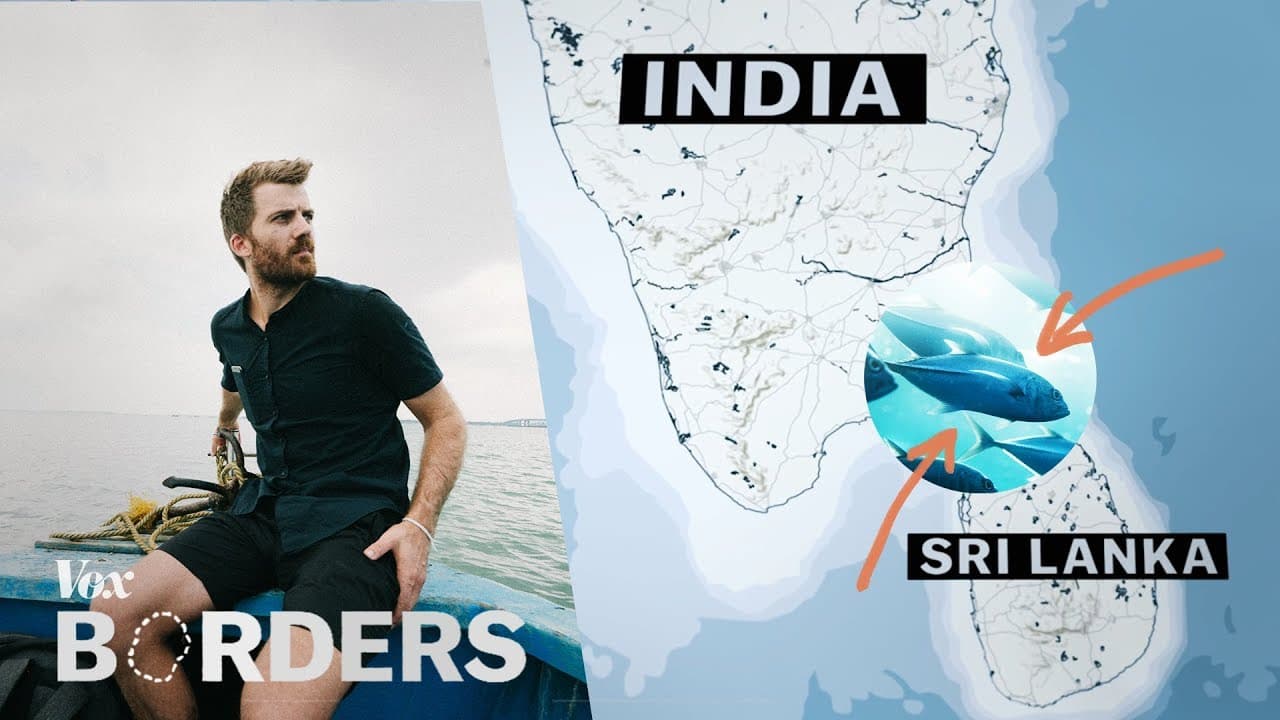
India and Sri Lanka's fishing conflict stems from maritime border issues.
Transcript
I'm here in one of the weirdest pieces of land I've ever been flying my drone over the Indian Ocean. There's a battle going on out here. It's not a battle for land or for people. This is a battle about fish. One fishermen was killed and five others injured after Sri Lankan Navy opened fire near an island off the Tamil Nadu coast. On one side you ha... Read More
Key Insights
- The conflict between India and Sri Lanka over fishing rights is rooted in a maritime border that separates their territorial waters, leading to disputes over fishing grounds.
- Indian fishermen, with government subsidies, adopted trawlers in the 1960s to boost seafood exports, inadvertently depleting fish stocks and damaging the seabed ecosystem.
- During Sri Lanka's civil war, Indian fishermen exploited the situation by illegally fishing in Sri Lankan waters, which were under a fishing ban by the Sri Lankan Navy.
- The end of the civil war in Sri Lanka allowed local fishermen to resume fishing, only to find depleted fish stocks and competition from Indian trawlers in their waters.
- The Sri Lankan Navy has been actively arresting Indian fishermen for poaching, leading to tensions and economic losses for Sri Lankan fishing communities.
- The Indian government has been criticized for its lack of action in resolving the conflict, as the fishing practices remain a vital economic activity for neglected coastal communities.
- The conflict has turned once-friendly Tamil communities on both sides into adversaries, with significant economic ramifications estimated at millions of dollars in losses annually.
- The issue reflects a broader global challenge of managing shared natural resources and the impact of increasing demand for seafood on international relations.
Install to Summarize YouTube Videos and Get Transcripts
Explore YouTube Video Summarizer or Get YouTube Transcript Extractor
Questions & Answers
Q: What is the main cause of the conflict between Indian and Sri Lankan fishermen?
The main cause of the conflict is the maritime border that separates Indian and Sri Lankan territorial waters. This border, established in the 1970s, has led to disputes over fishing rights, as Indian fishermen have crossed into Sri Lankan waters to fish, depleting resources and causing tensions.
Q: How did the Indian government contribute to the fishing conflict?
In the 1960s, the Indian government provided subsidies to fishermen to purchase trawlers, boosting seafood exports. This led to overfishing and depletion of fish stocks. The lack of regulation and oversight allowed Indian fishermen to exploit Sri Lankan waters during the civil war, exacerbating the conflict.
Q: What role did the Sri Lankan Navy play in the fishing conflict?
The Sri Lankan Navy enforced a fishing ban during the civil war to weaken Tamil rebels, but after the war, they turned their attention to cracking down on Indian fishermen poaching in Sri Lankan waters. They have been actively arresting and detaining Indian fishermen, leading to further tensions.
Q: How have the fishing practices affected the Sri Lankan fishing communities?
Sri Lankan fishing communities, heavily reliant on fish for their economy, have suffered due to depleted fish stocks caused by Indian trawlers. The economic impact is significant, with estimated losses ranging from 16 to 56 million US dollars annually, turning once-allied communities into adversaries.
Q: What challenges do Indian fishermen face in this conflict?
Indian fishermen face the challenge of being routinely arrested and detained by the Sri Lankan Navy for poaching. Despite the economic benefits of crossing the border, they risk losing their boats and facing legal repercussions, which affects their livelihoods and communities.
Q: Why has the Indian government been criticized in handling the conflict?
The Indian government has been criticized for its inaction in resolving the conflict. The fishing practices are vital for economically neglected coastal communities, and the government's reluctance to address the issue stems from the potential backlash and economic impact on these communities.
Q: What historical factors have contributed to the current state of the conflict?
Historically, the conflict is rooted in the establishment of the maritime border in the 1970s and the civil war in Sri Lanka. During the war, Indian fishermen exploited the situation by fishing in Sri Lankan waters, leading to long-term depletion of fish stocks and economic tensions.
Q: What broader implications does the conflict have on global resource management?
The conflict highlights the challenges of managing shared natural resources and the impact of increasing global demand for seafood. It underscores the need for international cooperation and regulation to prevent similar conflicts and ensure sustainable resource management in other regions facing similar issues.
Summary & Key Takeaways
-
The fishing conflict between India and Sri Lanka is driven by the creation of a maritime border, leading to disputes over fishing rights. Indian fishermen, using trawlers, have depleted fish stocks, causing tensions with Sri Lankan fishermen who rely on these waters for their livelihood.
-
During Sri Lanka's civil war, Indian fishermen took advantage of the situation by illegally fishing in Sri Lankan waters. After the war, Sri Lankan fishermen returned to find their fish stocks depleted, leading to increased tensions and actions by the Sri Lankan Navy against Indian poachers.
-
The conflict has significant economic impacts on both communities, with the Indian government criticized for not addressing the issue. The situation highlights the challenges of managing shared resources and the broader implications of seafood demand on international relations.
Read in Other Languages (beta)
Share This Summary 📚
Summarize YouTube Videos and Get Video Transcripts with 1-Click
Try YouTube Summary with ChatGPT & Claude or YouTube Transcript Generator
Explore More Summaries from Vox 📚

Summarize YouTube Videos and Get Video Transcripts with 1-Click
Try YouTube Summary with ChatGPT & Claude or YouTube Transcript Generator