The Simulator That Could Supercharge Robotics!
TL;DR
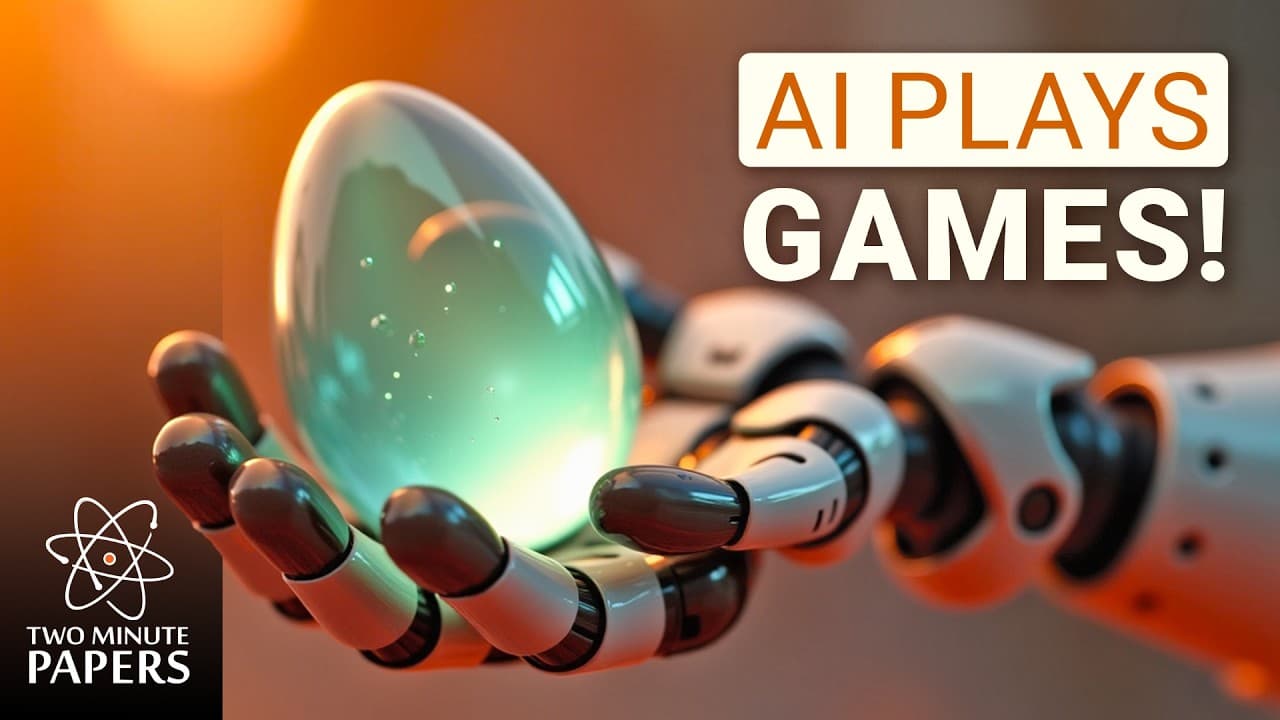
New physics simulations help robots improve their grasping techniques in virtual environments before real-world application.
Transcript
It’s crazy that no one is talking about this. This work was done as a collaboration between several research labs across the world and is about creating physics simulations on a computer to teach AIs about the world. And what are the simulations about? Well, to help robots noodle around with things. Yes, I hear you saying Károly, what doe... Read More
Key Insights
- 🤖 Collaborative research efforts have pioneered simulations that enable robots to learn complex tasks in a safe environment.
- 🈸 Grasping tasks, while intuitive for humans, pose significant challenges for robotic systems due to the necessity for precise force application.
- 🪡 The "sim to real" gap underscores the need for adaptive learning systems that can translate virtual successes into practical robotic abilities.
- 🤖 Differentiable systems enhance the ability of robots to adjust to real-world discrepancies, improving overall performance and reliability.
- 🎮 The development of specialized video games for tactile learning represents a transformative approach to robot training methodologies.
- 🤖 Proper training in simulations results in robots being able to execute delicate tasks, such as grasping, effectively and safely.
- 💝 Previous robotic systems laid the groundwork but lacked the comprehensive integration of features that the latest innovations now offer.
Install to Summarize YouTube Videos and Get Transcripts
Explore YouTube Video Summarizer or Get YouTube Transcript Extractor
Questions & Answers
Q: What is the purpose of the physics simulations developed by researchers?
The primary goal of these physics simulations is to teach robots how to interact with objects in the real world effectively. By training in a controlled simulated environment, researchers can set complex tasks for robots to learn without risking real-world damage or safety. Eventually, they aim to allow robots to navigate and manipulate objects as fluently as humans.
Q: Why is grasping objects such a complex task for robots?
Grasping presents significant challenges for robots because it requires a nuanced understanding of force balance. Robots must learn to grip objects with the appropriate pressure—too light and the object slips, too hard and it may get damaged. This complexity is compounded by the need for advanced tactile sensing to ensure accurate handling, which necessitates extensive training data.
Q: What does "sim to real" mean in the context of robotics?
"Sim to real" refers to the transition from training robots in simulated environments to applying learned behaviors in real-world situations. While simulations help develop skills without the consequences of real-life scenarios, the differences between virtual and physical environments can create unforeseen problems, making this transition a critical challenge in robotics development.
Q: How does the new differentiable system contribute to robotic advancements?
The differentiable system allows researchers to identify gaps between simulation and real-world performance by adjusting programming to account for physical discrepancies. This adaptability not only enhances a robot's ability to perform tasks in reality but also minimizes learning setbacks, ultimately facilitating a smoother transition from virtual training to real-world application.
Q: What significance does the video game's design have for robot training?
The video game created for virtual robots is specifically designed to focus on tactile interactions, prioritizing tasks such as object manipulation and surface navigation. This specialized training is crucial because it reflects real-world challenges robots face. Such interactive learning fosters adaptability and encourages robots to develop a more refined sense of touch and coordination.
Q: Why is the concept of "just the right amount of force" important for robots?
The concept emphasizes that robots, much like humans, need to apply the correct amount of force when grasping or manipulating objects. This precision is essential to prevent slips or damage. Successful training in simulations equips robots with the ability to adjust grip strength based on tactile feedback, mimicking human sensitivity and dexterity in handling diverse objects.
Q: What previous systems were mentioned in relation to the current advancements in robot training?
The content discusses various previous systems that successfully tackled specific aspects of robotic training, including rigid and soft body simulations and optical simulations. However, the innovative approach of combining these elements into a singular system represents a significant leap, offering a more comprehensive platform for real-world robotics training.
Q: How does the speaker express appreciation for the research presented?
The speaker conveys gratitude to the scientists behind the research for sharing their findings freely, highlighting passion for disseminating impactful information about advancements in robotics. Additionally, there is a light-hearted mention of a cat's hypothetical role in these developments, illustrating the speaker's engaging and humorous presentation style.
Summary & Key Takeaways
-
Recent collaborations among global research labs have produced advanced physics simulations designed to teach robots how to effectively interact with the physical world, particularly for grasping tasks.
-
Robots are initially trained in controlled simulated environments where they can practice handling objects through iterative learning, advancing their capabilities safely before being tested in real-life scenarios.
-
A significant challenge remains in bridging the "sim to real" gap, but the development of differentiable systems aims to align simulated learning with the complexities of reality, enhancing robotic performance.
Read in Other Languages (beta)
Share This Summary 📚
Summarize YouTube Videos and Get Video Transcripts with 1-Click
Try YouTube Summary with ChatGPT & Claude or YouTube Transcript Generator
Explore More Summaries from Two Minute Papers 📚


Summarize YouTube Videos and Get Video Transcripts with 1-Click
Try YouTube Summary with ChatGPT & Claude or YouTube Transcript Generator