What Is the Philosophy of Time Management?
TL;DR
The philosophy of time management emphasizes that managing time is about making meaningful choices rather than merely increasing productivity. It challenges the perception of time as money, urging individuals to reflect on how they truly value and utilize their time. Recognizing our mortality can help prioritize what really matters, fostering deeper connections and a more fulfilling life.
Transcript
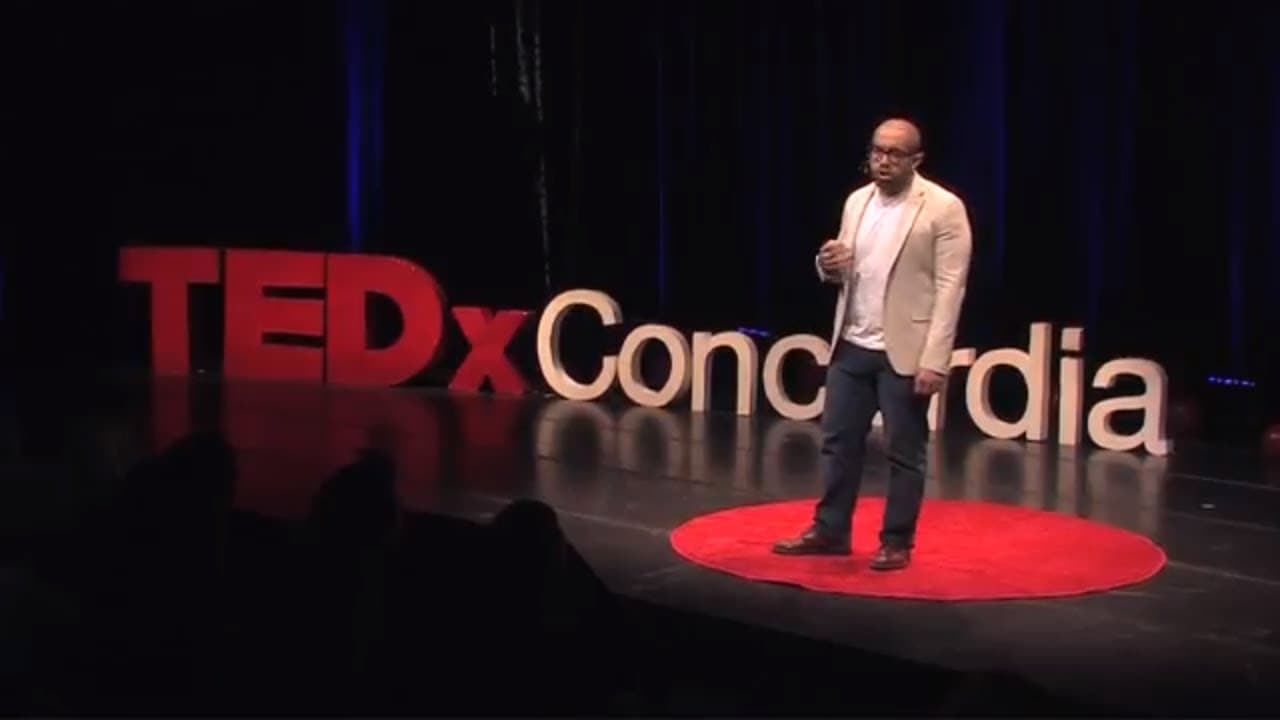
[Applause] when I was six years old my biggest fear was to get bored I used to make to-do lists every single day so to always have something to do but one day I was watching this documentary on sea turtles and it said that sea turtles can live up to 150 years of age and I realized as a six-year-old kid and I'm probably not gonna live that long I'm ... Read More
Key Insights
- ⌛ Childhood experiences can trigger lifelong philosophical questions about existence and the significance of time.
- 🙈 Modern time management practices often ignore the need for deeper philosophical engagement.
- 🥺 Viewing time primarily as a monetary value can lead to unhappiness and neglect of meaningful relationships.
- ⌛ True time management requires an acknowledgment of mortality, prompting a reevaluation of what matters most.
- 💢 The modern era offers unprecedented freedom and choices in how we spend our time.
- 😨 Chronic complaining about "not having time" often hides deeper fears about decision-making and missed opportunities.
- ⌛ Connecting meaningfully with others can enhance our experience of time and combat feelings of isolation.
Install to Summarize YouTube Videos and Get Transcripts
Explore YouTube Video Summarizer or Get YouTube Transcript Extractor
Questions & Answers
Q: How does the speaker relate childhood experiences to philosophical concepts?
The speaker shares a childhood moment of fear regarding death that sparked deeper philosophical questions about life's meaning and the value of time. This realization prompted a lifelong exploration of why we work and how we spend our time, linking personal experiences with philosophical inquiry.
Q: What critique does the speaker have regarding modern time management practices?
The speaker critiques modern time management for being overly focused on productivity tips and efficiency, which leads to a shallow understanding of time. The content emphasizes that genuine time management should be rooted in philosophical questioning about what makes time spent truly meaningful instead of just getting more tasks done.
Q: Why does the speaker argue that viewing time as money can be detrimental?
The speaker argues that equating time with money breeds anxiety and greed, making individuals less happy and more self-centered. This viewpoint diminishes the real value of time, reducing it to a simple transaction rather than emphasizing its meaningful use in nurturing relationships and personal fulfillment.
Q: How does the speaker suggest people can better manage their time?
The speaker suggests that to manage time better, individuals should embrace philosophy and ask meaningful questions about their lives and choices. By recognizing the preciousness of time and consciously choosing how to spend it, people can live more fulfilling and meaningful lives rather than defaulting to excuses about lacking time.
Q: What does the speaker say about the paradox of time perception in modern society?
The speaker highlights a paradox in modern society where people claim to have no time despite actually having more freedom and choices than previous generations. This contradiction stems from an overemphasis on productivity and the fear of making the wrong choices, leading to feelings of being overwhelmed rather than empowered.
Q: What role does societal influences play in individual perceptions of time?
Societal influences contribute significantly to individual perceptions of time, as people often feel obligated to prioritize work and productivity over personal connections and self-care. The speaker emphasizes that this collective mindset leads to a growing sense of isolation and disconnection, encouraging a need for reassessment of how we value and use our time.
Summary & Key Takeaways
-
The speaker reflects on childhood fears of death, which prompt significant philosophical questions about the meaning of time and existence.
-
Modern time management focuses excessively on efficiency and productivity, often disregarding deeper philosophical inquiries about how we should value and spend our time.
-
The speaker argues that true management of time involves understanding its value beyond money, recognizing the importance of meaningful choices, and fostering connections with others.
Read in Other Languages (beta)
Share This Summary 📚
Summarize YouTube Videos and Get Video Transcripts with 1-Click
Try YouTube Summary with ChatGPT & Claude or YouTube Transcript Generator
Explore More Summaries from TEDx Talks 📚



Summarize YouTube Videos and Get Video Transcripts with 1-Click
Try YouTube Summary with ChatGPT & Claude or YouTube Transcript Generator