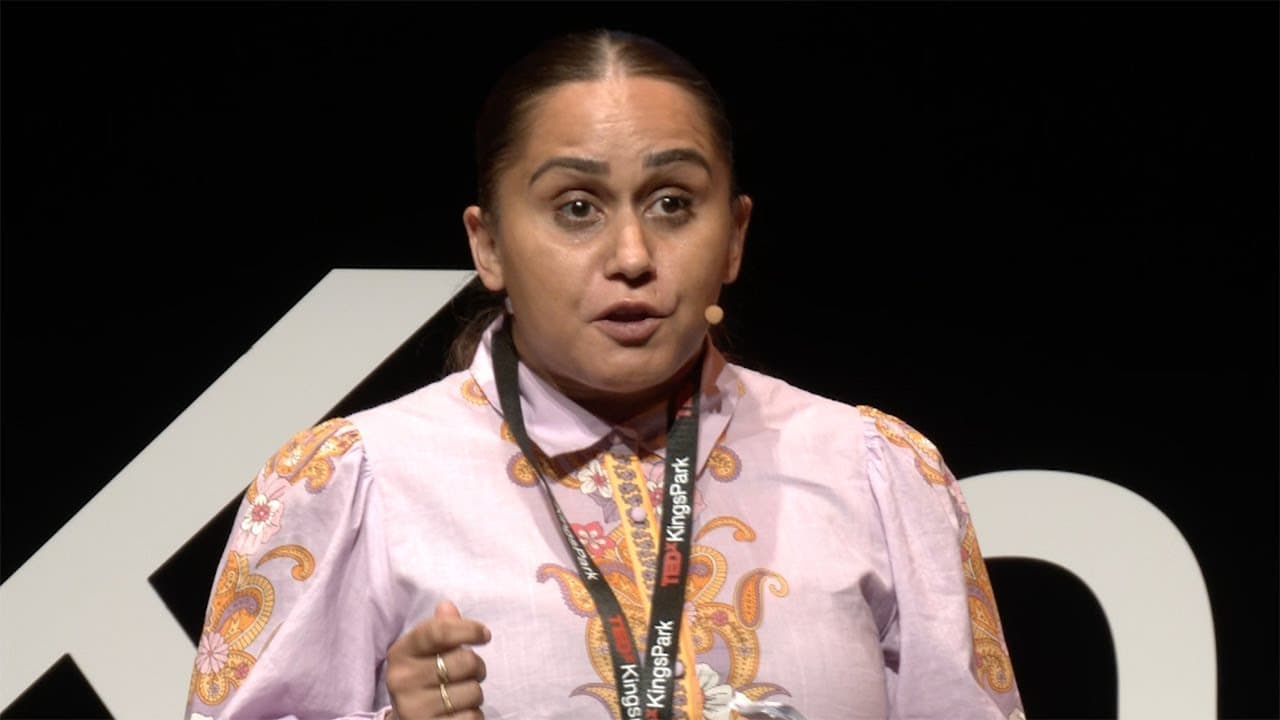
Lift the burden of generational trauma for young people | Justyne Eades | TEDxYouth@KingsPark
TL;DR
Exploring intergenerational trauma and the impact of suicide on Aboriginal communities, emphasizing the importance of empathy and support.
Transcript
Transcriber: Dong Won (Martin) Lim Reviewer: Walaa Mohammed My personal relationship with suicide related trauma began in 2013 when my first cousin took his life. It has been an ongoing dance with trauma for the past decade, one that has shaped my life in ways I never could have imagined. Imagine being super excited to be going to Broome for work. ... Read More
Key Insights
- 🧑⚕️ Trauma from suicide can have a lasting impact on individuals and families, perpetuating cycles of mental health challenges and suicide risk.
- 🤗 Open communication and empathy are crucial in supporting those struggling with mental health issues, breaking down stigmas.
- 👶 Involving Aboriginal children and youth in mental health discussions fosters cultural understanding and tailored support.
- 👨🎨 Postvention services are vital in changing the trajectory for individuals affected by suicide trauma and preventing future generations from experiencing the same pain.
Install to Summarize YouTube Videos and Get Transcripts
Explore YouTube Video Summarizer or Get YouTube Transcript Extractor
Questions & Answers
Q: How does suicide trauma impact children left behind?
Children left behind by suicide often face significant trauma and challenges in their childhood, affecting their mental health and well-being. They may struggle with feelings of loss, confusion, and a higher risk of considering suicide themselves.
Q: What role does intergenerational trauma play in the cycle of suicide within families?
Intergenerational trauma can perpetuate cycles of suicide within families, passing down unresolved trauma and stress. This can create a predisposition to mental health issues and suicide risk among future generations.
Q: How can empathy and open communication help support those struggling with mental health issues?
Engaging empathetically with individuals struggling with mental health can create a safe space for them to share their feelings and seek help. Open communication breaks down stigmas and encourages support for those in need.
Q: Why is it essential to involve Aboriginal children and youth in addressing mental health issues within their communities?
Involving Aboriginal children and youth in mental health discussions and services helps promote cultural understanding and tailored support. It ensures that their voices are heard and valued in finding solutions to mental health challenges.
Summary & Key Takeaways
-
The speaker recounts personal experiences with suicide trauma in their family, highlighting the devastating impact on children left behind.
-
Discussing the cycle of trauma and the need to help children navigate the effects of suicide, breaking the pattern.
-
Emphasizing the importance of open conversations about mental health and removing stigmas to support those struggling.
Read in Other Languages (beta)
Share This Summary 📚
Summarize YouTube Videos and Get Video Transcripts with 1-Click
Try YouTube Summary with ChatGPT & Claude or YouTube Transcript Generator
Explore More Summaries from TEDx Talks 📚






Summarize YouTube Videos and Get Video Transcripts with 1-Click
Try YouTube Summary with ChatGPT & Claude or YouTube Transcript Generator