Types of Precipitation and Forms of Precipitation - Hydrology - Water Resource Engineering 1
TL;DR
This video explains the various types and forms of precipitation, including rainfall, snowfall, drizzle, glaze, sleet, and hail storm.
Transcript
hello everyone in this video we are going to study about the different types of precipitation and what are the different forms of precipitation in which it occurs so let's start so first of all what do we mean by the term that is known as the precipitation so this precipitation it is an umbrella term which represents all the forms of the water whic... Read More
Key Insights
- 💦 Precipitation encompasses various forms of water falling from the atmosphere, including rain, snow, drizzle, glaze, sleet, and hail.
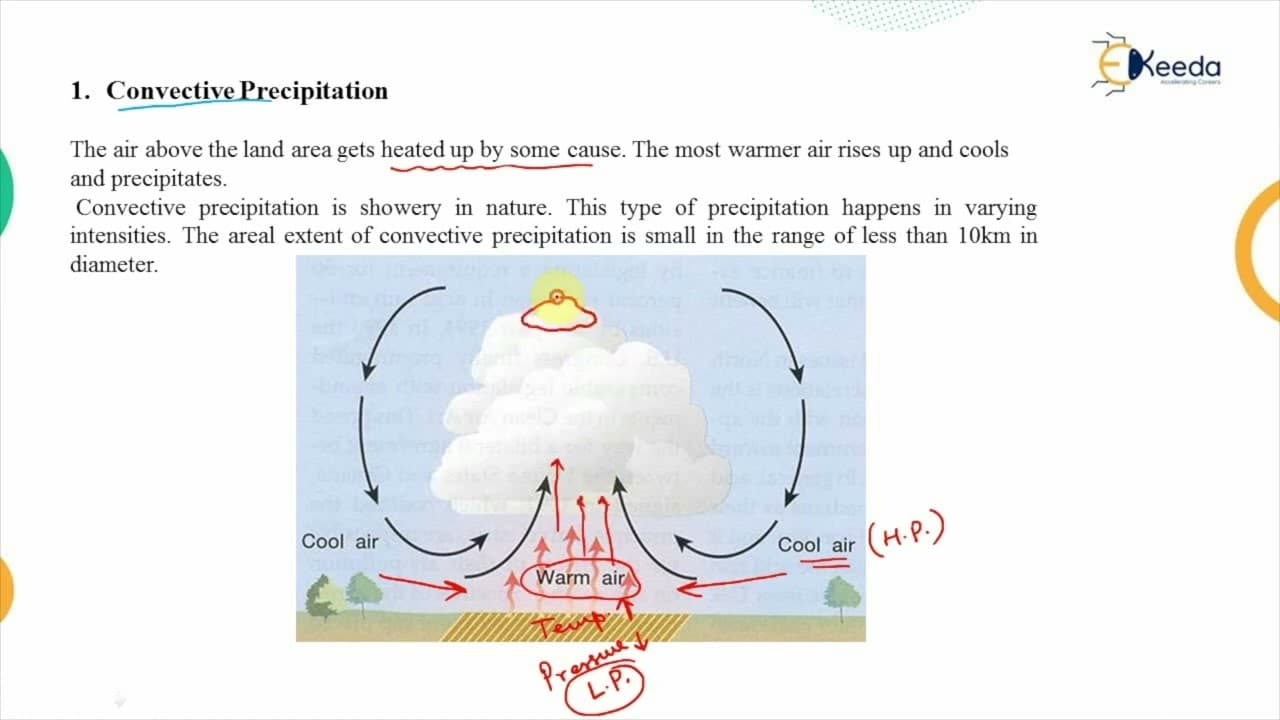
- 👱 Different types of precipitation are classified based on the lifting methods of air masses, such as convection, cyclonic, and orographic.
- 💦 The intensity and classification of rainfall depend on the size and duration of water droplets.
- 😶🌫️ Orographic precipitation is influenced by mountains, which provide the necessary altitude for cloud formation and subsequent rainfall.
- 😘 Cyclonic precipitation occurs around low-pressure regions, with air masses circulating and producing various forms of precipitation.
- 💁 Sleet and hail are forms of frozen precipitation, with sleet formed through freezing raindrops and hail formed through the combination of irregular particles.
- ❓ Average annual rainfall is calculated using 30 years of data to determine the average precipitation for a specific year.
Install to Summarize YouTube Videos and Get Transcripts
Explore YouTube Video Summarizer or Get YouTube Transcript Extractor
Questions & Answers
Q: What is precipitation and what are the conditions required for it to occur?
Precipitation refers to all forms of water falling onto the Earth's surface from the atmosphere. Conditions required for precipitation include sufficient moisture in the atmosphere, the presence of nucleation particles for condensation, and suitable weather conditions for condensation to occur.
Q: How is convective precipitation formed?
Convective precipitation occurs when the air above the land is heated, creating low pressure. The warm air rises, creating a vacuum that draws in cooler air. As the warm air cools and reaches sufficient height, it condenses and falls as precipitation, usually in the form of rainfall.
Q: What is orographic precipitation and how is it formed?
Orographic precipitation occurs when air masses are lifted by obstructions like mountains. As the air rises, it cools, condenses, and forms clouds. When the clouds reach a certain altitude, they precipitate in various forms, such as rainfall. Rainfall is usually more significant on the windward side of the obstruction.
Q: How is cyclonic precipitation different from other types?
Cyclonic precipitation occurs when air masses circulate around a low-pressure region, forming a cyclone. Moist air rises due to pressure differences, and when it reaches sufficient height, it falls as precipitation. Cyclonic precipitation can be frontal or non-frontal, depending on the collision of air masses.
Summary & Key Takeaways
-
Precipitation refers to all forms of water falling onto the Earth's surface from the atmosphere, such as rain, snow, drizzle, glaze, sleet, and hail.
-
Precipitation occurs when there is sufficient moisture in the atmosphere, condensation takes place, and weather conditions are suitable.
-
Different types of precipitation are classified based on the methods that lift air masses to higher altitudes, including convective, cyclonic, and orographic precipitation.
Read in Other Languages (beta)
Share This Summary 📚
Summarize YouTube Videos and Get Video Transcripts with 1-Click
Try YouTube Summary with ChatGPT & Claude or YouTube Transcript Generator
Explore More Summaries from Ekeeda 📚






Summarize YouTube Videos and Get Video Transcripts with 1-Click
Try YouTube Summary with ChatGPT & Claude or YouTube Transcript Generator