How to Build a Risk-Taking Mindset for Success
TL;DR
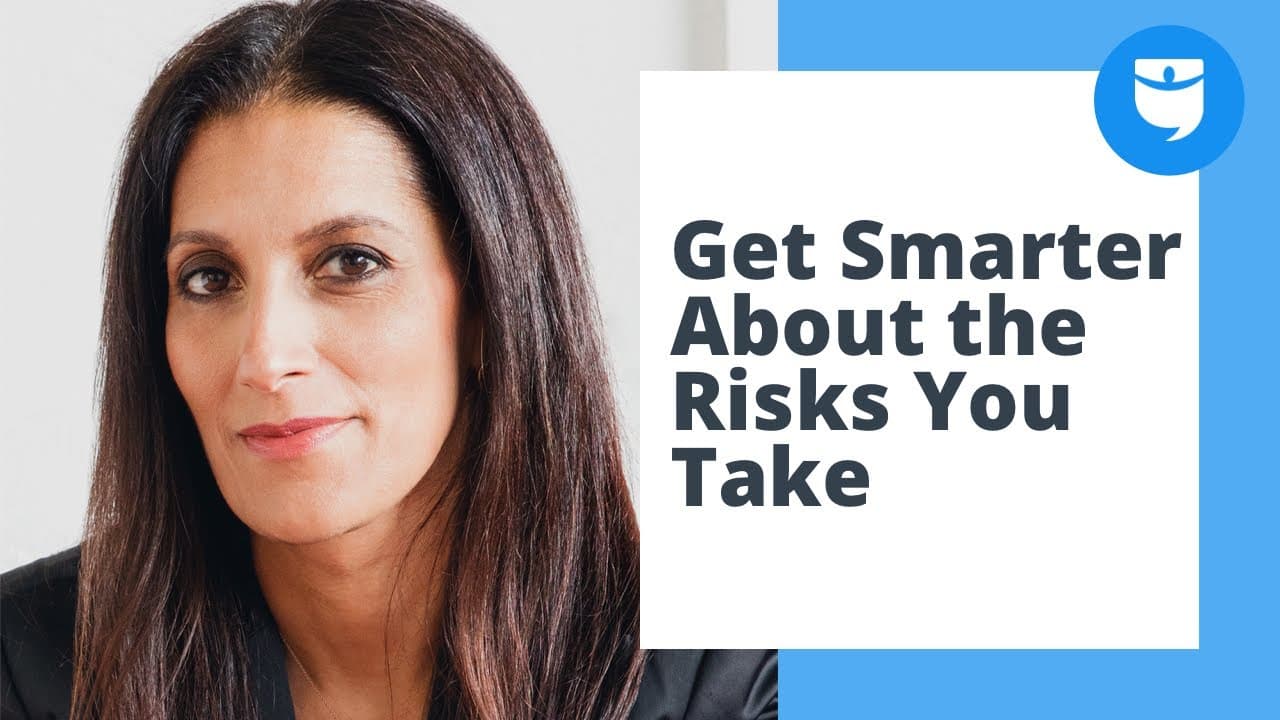
Taking risks is crucial for success, as demonstrated by leaders like Sukhinder Singh Cassidy. Successful individuals don't rely on a single big risk but rather on multiple smaller ones. This approach applies to real estate investing and other ventures. Start with small steps like joining a meetup or contacting an agent to build your risk-taking muscle and gradually move toward larger goals.
Transcript
this is the biggerpockets podcast so 495. so my question for everybody listening to the podcast is okay now that you've gone through the pandemic and you may still be going through it you realize something about yourself and your ability to respond to be flexible to be resilient and to take risks when times are tough imagine what you could do if yo... Read More
Key Insights
- Risk-taking is essential for success and involves multiple small risks rather than one big leap.
- The pandemic highlighted people's ability to take risks and adapt in challenging situations.
- Women and men perceive risks differently, with women more likely to be contemplators.
- Successful leaders create environments where diverse thinking is encouraged and values are shared.
- Hiring in competitive markets requires offering unique soft benefits and aligning with employees' values.
- Building a risk-taking muscle involves starting with micro-risks and gradually increasing the stakes.
- Creating a framework for decision-making helps individuals and teams take risks more effectively.
- Successful entrepreneurs continuously choose possibilities and iterate their decisions.
Install to Summarize YouTube Videos and Get Transcripts
Explore YouTube Video Summarizer or Get YouTube Transcript Extractor
Questions & Answers
Q: How can taking risks lead to success?
Taking risks is crucial for success because it allows individuals to explore new opportunities and learn from their experiences. Successful people, like Sukhinder Singh Cassidy, take multiple small risks rather than relying on one significant decision. This approach helps build a risk-taking muscle, enabling them to adapt and thrive in various situations. By starting with small steps and gradually increasing the stakes, individuals can achieve their goals and reach their full potential.
Q: What are micro-risks, and why are they important?
Micro-risks are small, manageable actions that help individuals build their risk-taking muscle. They are important because they provide a low-stakes way to gain experience, learn, and adapt without overwhelming fear of failure. Examples include attending a meetup, contacting an agent, or analyzing properties. By taking micro-risks, individuals can gradually increase their confidence and ability to take on larger challenges, ultimately leading to greater success.
Q: How did the pandemic affect people's risk-taking mindset?
The pandemic highlighted people's ability to take risks and adapt in challenging situations. It forced individuals to respond to unexpected events, demonstrating their resilience and flexibility. Many realized they could take risks and succeed even when backed into a corner. This experience showed that proactively embracing risk-taking can lead to significant achievements, encouraging individuals to take calculated risks toward their goals.
Q: Why is it important to create inclusive environments for risk-taking?
Creating inclusive environments for risk-taking is important because it encourages diverse thinking and innovation. When people feel safe and valued, they are more likely to take risks and contribute their unique perspectives. Leaders should focus on shared values and celebrate different risk-taking styles to foster a culture of openness and collaboration. This approach can lead to better decision-making, increased creativity, and overall success for the organization.
Q: What are some strategies for hiring in competitive markets?
In competitive markets, offering unique soft benefits and aligning with employees' values can attract top talent. Companies can provide flexible work arrangements, remote work options, and opportunities for personal and professional growth. Additionally, emphasizing a strong company culture and shared values can help attract individuals who are passionate about the organization's mission. By focusing on these aspects, companies can differentiate themselves from larger competitors and build a motivated, engaged workforce.
Q: How can leaders encourage risk-taking within their teams?
Leaders can encourage risk-taking by creating a supportive environment where diverse thinking is valued and celebrated. They should provide a clear framework for decision-making, allowing team members to take ownership of their ideas and actions. By offering guidance and support while trusting their teams to make decisions, leaders can empower individuals to take calculated risks. Recognizing and rewarding risk-taking efforts also reinforces a culture of innovation and continuous improvement.
Q: What are some common misconceptions about risk-taking?
Common misconceptions about risk-taking include the belief that it involves only one significant decision and that it is inherently dangerous. In reality, successful risk-taking involves multiple small decisions and calculated actions. It is about choosing possibilities and iterating decisions based on feedback and learning. By understanding different risk-taking styles and focusing on building a risk-taking muscle, individuals can overcome fear and embrace opportunities for growth and success.
Q: How can individuals build their risk-taking muscle?
Individuals can build their risk-taking muscle by starting with small, manageable actions and gradually increasing the stakes. This approach helps them gain experience, learn from successes and failures, and build confidence. Examples of micro-risks include attending a networking event, exploring new opportunities, or trying a new strategy. By consistently taking small risks, individuals can develop their ability to adapt and thrive in various situations, ultimately leading to greater achievements.
Summary & Key Takeaways
-
Taking risks is a key factor in achieving success, as shown by leaders like Sukhinder Singh Cassidy. They take multiple small risks instead of relying on one big decision. This strategy is applicable to real estate investing and other fields. Starting with small actions, such as attending a meetup or contacting an agent, helps build a risk-taking muscle.
-
The pandemic has demonstrated the importance of adaptability and risk-taking during challenging times. It has shown that even when people are hesitant to take risks, they can respond effectively under pressure. Building a risk-taking mindset proactively can lead to greater achievements.
-
Creating inclusive environments and offering unique benefits can attract diverse talent in competitive markets. Leaders should focus on shared values and diverse thinking to foster innovation and success. Understanding different risk-taking styles, such as contemplators and change seekers, can help tailor approaches to individual strengths.
Read in Other Languages (beta)
Share This Summary 📚
Summarize YouTube Videos and Get Video Transcripts with 1-Click
Try YouTube Summary with ChatGPT & Claude or YouTube Transcript Generator
Explore More Summaries from BiggerPockets 📚






Summarize YouTube Videos and Get Video Transcripts with 1-Click
Try YouTube Summary with ChatGPT & Claude or YouTube Transcript Generator