Tibetan Medicine warm oil massage - Contemplation By Design Summit 2017, Stanford University
TL;DR
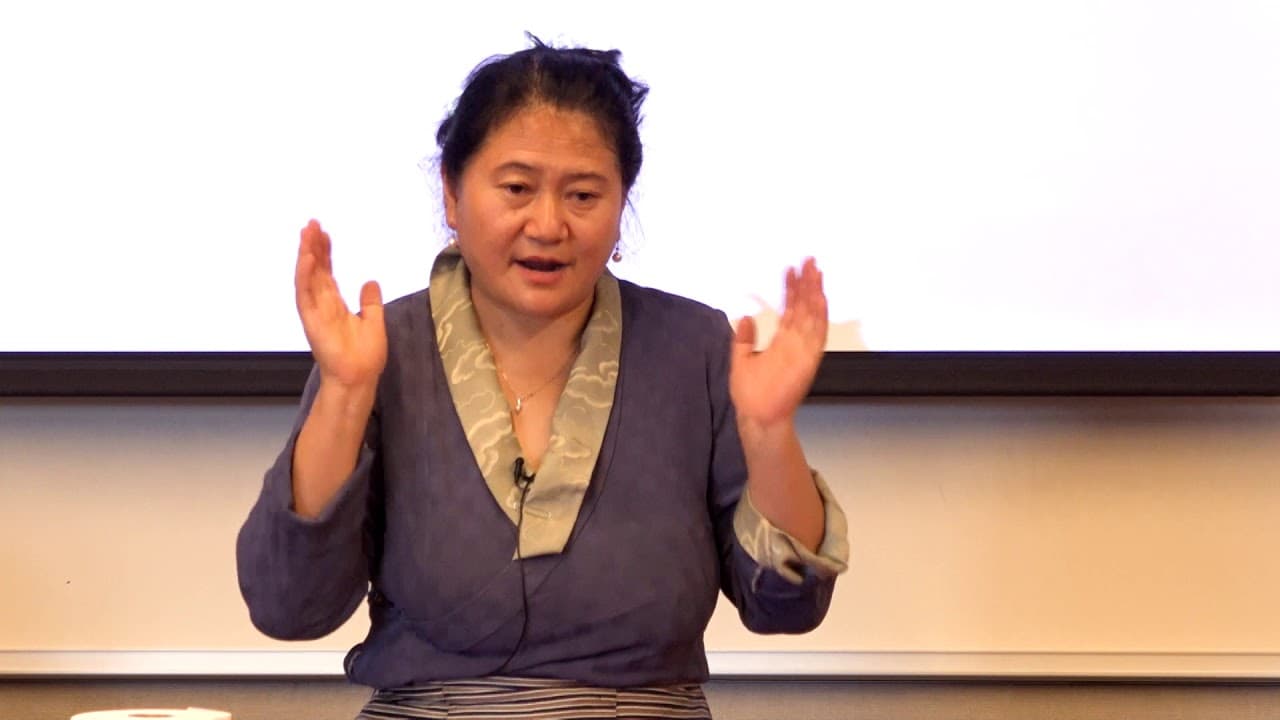
This video explores the self-healing methods of Tibetan medicine, using herbal remedies and massage techniques to reduce anxiety, stress, and improve sleep.
Transcript
Stanford University my name is dr. Tiye rich and it is a great joy to organize and direct the contemplation by design program here at Stanford University I had the pleasure of meeting Mempa call Zhong yonder on Kelvin when she led a Tibetan medicine conference here at Stanford earlier this year it is an annual event that I encourage each of you to ... Read More
Key Insights
- ⚖️ Tibetan medicine has been practiced for over 4,000 years and focuses on holistic healing and the balance of the body's elements.
- 🥵 The self-healing method presented in the video involves heating herbal remedies in oil and using massage techniques on specific points of the body.
- 😪 This method can reduce anxiety, stress, and improve sleep without the need for medication.
- 😷 The self-healing method can be used by a wide range of individuals, including students, medical professionals, and those in high-stress jobs.
- 👩⚕️ It can also be used as a complementary treatment for various conditions, such as cancer care, pain management, and women's health.
- 😪 Tibetan medicine takes a holistic approach, considering factors such as diet, sleep, emotions, and relationships.
- 💨 The self-healing method presented in the video offers a cost-effective and accessible way to promote overall wellness and reduce stress.
Install to Summarize YouTube Videos and Get Transcripts
Explore YouTube Video Summarizer or Get YouTube Transcript Extractor
Questions & Answers
Q: What is the main purpose of the self-healing method presented?
The self-healing method aims to reduce anxiety, stress, and improve sleep without the need for medication, making it a valuable resource for individuals with busy lifestyles or limited access to medical care.
Q: How does Tibetan medicine differ from Western medicine?
Tibetan medicine takes a holistic approach to healing, considering factors such as diet, sleep, emotions, and relationships. It also uses different terminology to describe ailments, but the overall goal of both systems is to promote health and well-being.
Q: Who can benefit from the self-healing method?
The self-healing methods can benefit individuals of all ages, from students and medical professionals to computer engineers and anyone experiencing stress, anxiety, pain, or sleep problems.
Q: Can the self-healing method be used as a complementary treatment for other conditions?
Yes, the self-healing method has shown positive results in supporting cancer care, pain management, women's health, senior wellness, and potentially even in the treatment of conditions like ADHD and PTSD.
Summary & Key Takeaways
-
Dr. Tiye Rich, director of the Contemplation by Design program at Stanford University, presents the self-healing methods of Tibetan medicine.
-
Tibetan medicine has been practiced for over 4,000 years and focuses on holistic healing and the balance of the body's elements.
-
The featured self-healing method involves heating herbal remedies in oil and using massage techniques on specific points of the body to reduce stress and improve sleep.
Read in Other Languages (beta)
Share This Summary 📚
Summarize YouTube Videos and Get Video Transcripts with 1-Click
Try YouTube Summary with ChatGPT & Claude or YouTube Transcript Generator
Explore More Summaries from Stanford 📚
Summarize YouTube Videos and Get Video Transcripts with 1-Click
Try YouTube Summary with ChatGPT & Claude or YouTube Transcript Generator