Iran's massive protests, explained in 4 minutes
TL;DR
Economic woes and broken promises spark widespread protests in Iran.
Transcript
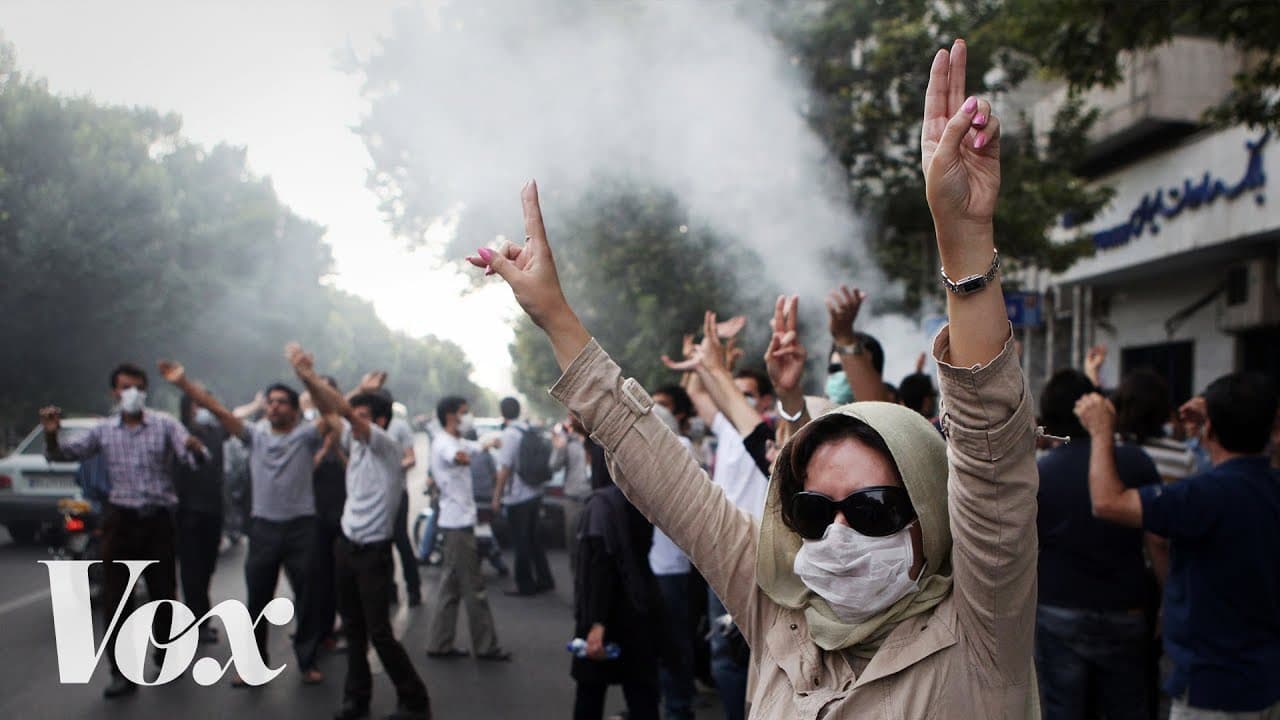
In Iran tens of thousands have taken to the streets in a massive countrywide uprising. Dozens have been killed and hundreds arrested. Most demonstrations in Iran historically have started in the capital, organized by educated upper middle class and politically active citizens. The protests then spread outward from there, but the most recent demonst... Read More
Key Insights
- The protests in Iran began in the east, diverging from the historical pattern of starting in the capital, Tehran.
- The immediate catalyst for the protests was a sharp increase in egg prices due to a bird flu outbreak.
- Underlying causes of the protests include economic struggles, unemployment, and unfulfilled promises by President Hassan Rouhani.
- Rouhani's initial presidency saw some economic improvements, but issues like high unemployment and low foreign investment persisted.
- The 2018 budget proposal, which favored religious establishments and cut citizen subsidies, fueled public discontent.
- Protests are characterized by a lack of centralized leadership and are driven by working and middle-class citizens.
- The demonstrations have rapidly escalated from economic grievances to calls for broader political reform.
- Iran's history of street protests suggests potential for significant societal change, reminiscent of the Islamic Republic's origins.
Install to Summarize YouTube Videos and Get Transcripts
Explore YouTube Video Summarizer or Get YouTube Transcript Extractor
Questions & Answers
Q: What triggered the recent protests in Iran?
The immediate trigger for the protests was a sharp increase in egg prices, caused by a bird flu outbreak that led to the culling of millions of chickens. This economic strain was compounded by broader dissatisfaction with the government's failure to deliver on economic promises, leading to widespread unrest.
Q: How did President Rouhani's economic policies impact the Iranian public?
While Rouhani's policies initially reduced inflation and boosted economic growth, they failed to address high unemployment and inequality. His re-election campaign promised swift economic improvements, but the lack of tangible results and controversial budget proposals further alienated the working and middle classes, contributing to the protests.
Q: Why did the protests begin in the east rather than Tehran?
Unlike previous protests that started in Tehran, the recent demonstrations began in the eastern part of Iran. This shift indicates a broader base of discontent among working and middle-class citizens outside the capital, reflecting widespread economic and social grievances across the country.
Q: What role did the 2018 budget proposal play in the protests?
The 2018 budget proposal, which allocated substantial funds to religious establishments while cutting subsidies for citizens and raising fuel prices, exacerbated public discontent. Many Iranians perceived these measures as prioritizing religious institutions over their economic welfare, fueling the protests.
Q: How have the protests evolved in terms of demands?
Initially sparked by economic issues like rising egg prices, the protests have quickly escalated into broader demands for political reform. The lack of centralized leadership and widespread participation from various social classes highlight a deep-seated desire for significant changes in Iran's political and economic landscape.
Q: What historical significance do street protests hold in Iran?
Street protests have played a crucial role in shaping Iran's political history, most notably leading to the establishment of the Islamic Republic. The current wave of protests, driven by economic grievances and calls for reform, echoes past movements that have resulted in significant societal transformations.
Q: Who are the main participants in the current protests?
The protests are primarily driven by working and middle-class citizens, particularly those in rural areas and smaller towns. Unlike previous movements led by politically active elites in Tehran, these demonstrations reflect widespread dissatisfaction among ordinary Iranians facing economic hardships and unfulfilled government promises.
Q: What potential outcomes could arise from the protests?
Given Iran's history, the protests could lead to significant political and societal changes. While the immediate outcomes are uncertain, the widespread nature of the unrest and the lack of centralized leadership suggest a potential for reform or even a shift in the country's political dynamics, depending on the government's response.
Summary & Key Takeaways
-
Iran has experienced massive protests starting in the eastern region, sparked by economic dissatisfaction and rising egg prices due to a bird flu outbreak. The demonstrations, characterized by a lack of leadership, have spread nationwide, highlighting frustration with President Rouhani's unfulfilled economic promises and controversial budget proposals.
-
President Hassan Rouhani's administration initially showed economic progress by reducing inflation and boosting growth, yet high unemployment and inequality persisted. His re-election campaign promised rapid economic change, but subsequent budget decisions favoring religious groups and cutting subsidies deepened public frustration, igniting widespread protests.
-
The protests have evolved from economic grievances to broader demands for political reform, driven by working and middle-class citizens. Historically, street protests in Iran have led to significant societal changes, and the current unrest reflects deep-seated dissatisfaction with the government's handling of economic and social issues.
Read in Other Languages (beta)
Share This Summary 📚
Summarize YouTube Videos and Get Video Transcripts with 1-Click
Try YouTube Summary with ChatGPT & Claude or YouTube Transcript Generator
Explore More Summaries from Vox 📚



Summarize YouTube Videos and Get Video Transcripts with 1-Click
Try YouTube Summary with ChatGPT & Claude or YouTube Transcript Generator