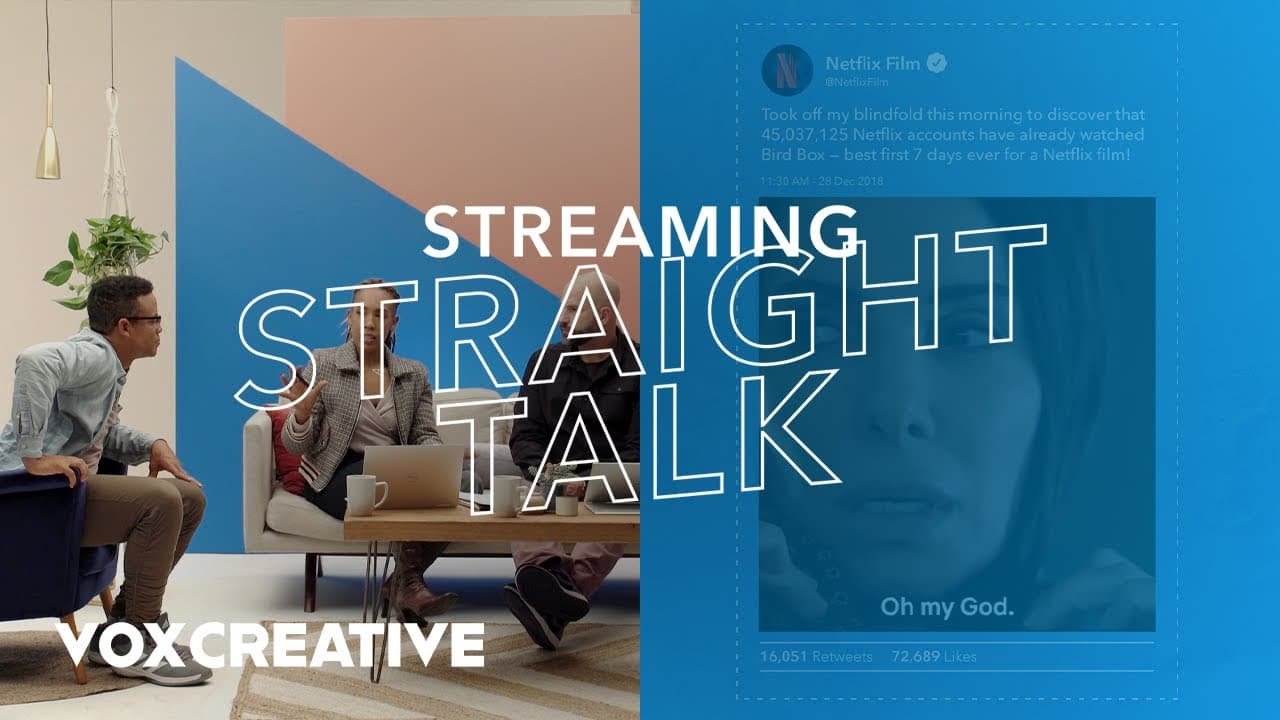
How long it takes to decide what to watch next on TV. [Advertiser content from Dell]
TL;DR
Humans still prefer personal recommendations over algorithms for TV choices.
Transcript
- I can watch your show, you can watch my show. We can always have a book club. - Better have something to say. - Bonding over streaming shows. - I love that. - [Narrator] The days of literal water cooler conversations may be thing of the past. But we have more conversations than ever about our favorite shows and with the onslaught of streaming pla... Read More
Key Insights
- The average viewer spends 7.4 minutes deciding what to watch, amounting to 45 hours a year due to overwhelming choices.
- Streaming platforms provide more choices than traditional TV, with 70% of consumers preferring them over traditional services.
- Despite algorithmic recommendations, human suggestions remain crucial, as people trust other people's opinions more.
- Popular TV shows like Succession, Handmaid's Tale, and Euphoria create emotional connections, driving viewer engagement.
- Human recommendations help reduce indecision time, as people prefer fewer, curated options over an overwhelming number of choices.
- Personal anecdotes and emotional connections to TV scenes highlight the impact of storytelling on viewers.
- The shareability of TV shows enhances viewer interest, as personal endorsements encourage others to watch.
- The balance between algorithmic and human recommendations is key to reclaiming time spent on indecision.
Install to Summarize YouTube Videos and Get Transcripts
Explore YouTube Video Summarizer or Get YouTube Transcript Extractor
Questions & Answers
Q: Why do people spend so much time deciding what to watch?
People spend a significant amount of time deciding what to watch due to the overwhelming number of choices available on streaming platforms. The average viewer spends 7.4 minutes per day making this decision, which accumulates to 45 hours a year. The abundance of options, fueled by the rise of streaming services, contributes to this indecision.
Q: How do human recommendations impact viewing choices?
Human recommendations significantly impact viewing choices as people tend to trust personal opinions more than algorithmic suggestions. Despite the availability of algorithmic recommendations, viewers often rely on friends or curated lists to help make decisions, as these provide fewer, more trusted options, reducing indecision time.
Q: What role do emotional connections play in TV show popularity?
Emotional connections play a crucial role in TV show popularity by engaging viewers through relatable and impactful storytelling. Shows like Succession, Handmaid's Tale, and Euphoria create emotional ties with audiences by portraying universal emotions and experiences, making viewers more invested in the characters and narratives.
Q: Why are streaming platforms preferred over traditional TV?
Streaming platforms are preferred over traditional TV because they offer greater flexibility, a wider variety of content, and on-demand viewing. Over 70% of consumers believe streaming services provide better options, allowing them to watch shows at their convenience without being restricted by traditional TV schedules.
Q: How does shareability influence TV show viewership?
Shareability influences TV show viewership by encouraging people to watch shows based on personal endorsements. When viewers share their favorite shows with friends, it creates interest and intrigue, prompting others to watch. This word-of-mouth recommendation is often more persuasive than algorithmic suggestions.
Q: What is the significance of the 7.4-minute indecision time?
The 7.4-minute indecision time is significant because it highlights the challenge viewers face in choosing what to watch amidst an abundance of options. This indecision accumulates to 45 hours annually, emphasizing the need for effective recommendations, whether human or algorithmic, to streamline the decision-making process.
Q: How do algorithms and human recommendations complement each other?
Algorithms and human recommendations complement each other by providing a balance between personalized suggestions and trusted opinions. While algorithms offer tailored recommendations based on viewing history, human suggestions provide curated, relatable options. Together, they help viewers make informed decisions, reducing indecision time.
Q: What are the benefits of curated streaming recommendations?
Curated streaming recommendations benefit viewers by offering a manageable number of trusted options, reducing the overwhelming nature of vast streaming libraries. By focusing on quality over quantity, curated lists help viewers quickly find content that aligns with their preferences, enhancing their overall viewing experience and satisfaction.
Summary & Key Takeaways
-
The average viewer spends 7.4 minutes deciding what to watch, leading to 45 hours of indecision annually. Streaming platforms offer more choices than traditional TV, but human recommendations remain crucial, as viewers trust personal opinions more than algorithms.
-
Popular shows like Succession, Handmaid's Tale, and Euphoria create emotional connections, engaging viewers through universal emotions. Personal anecdotes and emotional storytelling drive interest, while shareability of shows encourages others to watch based on recommendations.
-
Human recommendations help reduce indecision time, as viewers prefer curated options over overwhelming choices. The balance between algorithmic and human suggestions is essential to reclaim time and enhance the viewing experience.
Read in Other Languages (beta)
Share This Summary 📚
Summarize YouTube Videos and Get Video Transcripts with 1-Click
Try YouTube Summary with ChatGPT & Claude or YouTube Transcript Generator
Explore More Summaries from Vox 📚




Summarize YouTube Videos and Get Video Transcripts with 1-Click
Try YouTube Summary with ChatGPT & Claude or YouTube Transcript Generator