Why the world is worried about Turkey
TL;DR
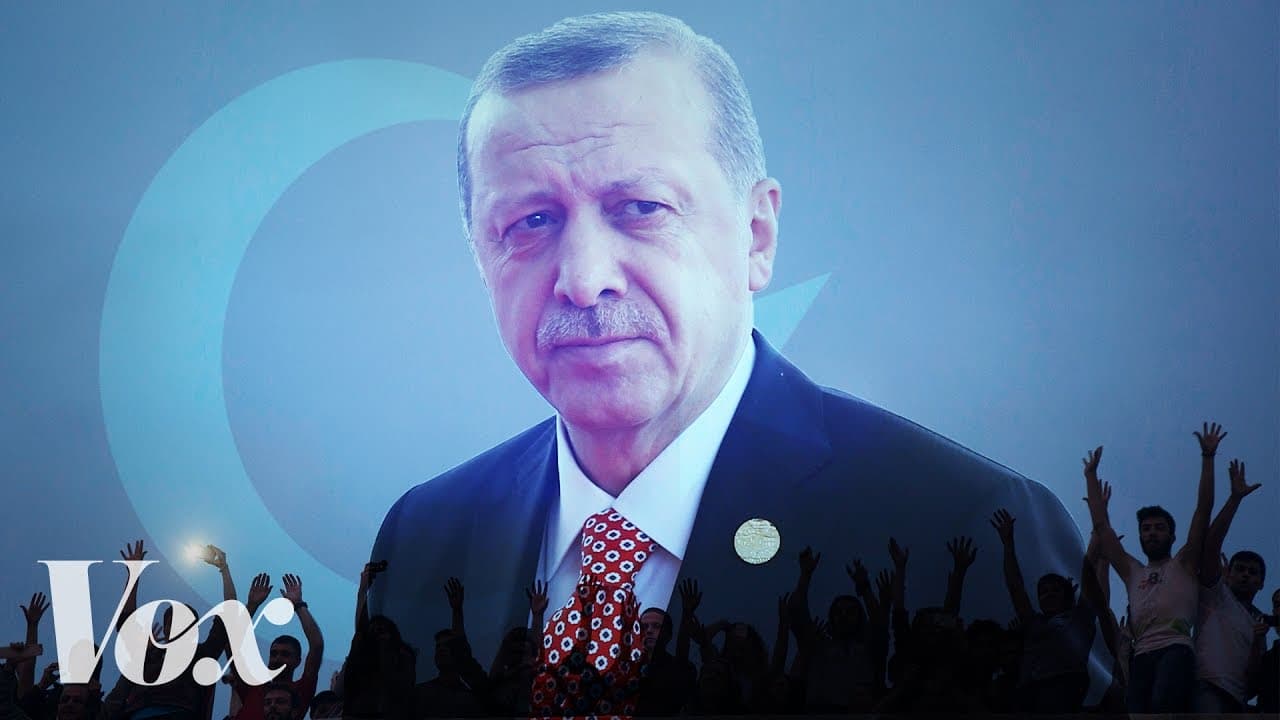
Erdogan's rise to power mirrors Turkey's shift from secularism to authoritarianism.
Transcript
“I say this over and over again; this is not a system that belongs to Tayyip Erdogan” It's really never a good sign when a person one refers to himself in the third person. “I am a mere mortal… i can die at any time.” and more importantly has to repeatedly deny that they're a dictator. "Here we have an election, if you say a ballot box produces a d... Read More
Key Insights
- Erdogan's consolidation of power in Turkey reflects a significant shift from the secular foundations established by Ataturk, moving towards a more religious and authoritarian governance model.
- The 2017 referendum granted Erdogan sweeping powers, allowing him to control Turkey's budget, military, and judiciary, raising concerns about the erosion of democratic checks and balances.
- Ataturk's secular reforms, including the separation of church and state and the promotion of women's rights, are being systematically dismantled under Erdogan's leadership.
- The Turkish military, historically a guardian of secularism, has lost public support, as demonstrated by the failed 2016 coup, which Erdogan leveraged to consolidate his power further.
- Erdogan's economic reforms initially gained him widespread popularity by stabilizing Turkey's economy, but his authoritarian tactics have since led to significant political unrest.
- The Gezi Park protests in 2013 marked a turning point, highlighting public discontent with Erdogan's increasingly Islamist policies and his government's crackdown on dissent.
- Erdogan's use of technology, such as his FaceTime appeal during the 2016 coup attempt, has helped him maintain control by mobilizing public support against military intervention.
- The recent referendum results indicate a divided nation, with a significant portion of the population resisting Erdogan's authoritarian ambitions and advocating for the secular values of Ataturk.
Install to Summarize YouTube Videos and Get Transcripts
Explore YouTube Video Summarizer or Get YouTube Transcript Extractor
Questions & Answers
Q: What were the key changes introduced by the 2017 referendum in Turkey?
The 2017 referendum in Turkey introduced constitutional changes that significantly expanded President Erdogan's powers. These changes allowed him to control the budget, appoint judges without parliamentary approval, dissolve parliament at will, and potentially remain in power until 2029. This shift raised concerns about the erosion of democratic checks and balances and the move towards authoritarianism.
Q: How did Erdogan initially gain popularity in Turkey?
Erdogan initially gained popularity in Turkey through his economic reforms in the early 2000s. As Prime Minister, he implemented policies that stabilized the economy, reduced inflation, and increased GDP. These reforms improved living standards and opened Turkey to foreign markets, earning him widespread support and setting the stage for his subsequent political dominance.
Q: What role did the military play in Turkey's political history?
The Turkish military historically served as the guardian of the country's secularism, intervening in politics through coups in 1960, 1971, 1980, and 1997 to maintain secular governance. However, its influence waned after the failed 2016 coup against Erdogan, as it failed to garner public support, allowing Erdogan to consolidate power and further his Islamist agenda.
Q: How did Erdogan respond to the Gezi Park protests in 2013?
Erdogan responded to the Gezi Park protests in 2013 with a heavy-handed approach, deploying riot police to disperse the peaceful demonstrators. The protests, initially against the redevelopment of the park, grew into a broader opposition movement against Erdogan's authoritarian and Islamist policies. His crackdown on the protests marked a shift towards more repressive governance.
Q: What impact did the failed 2016 coup have on Erdogan's power?
The failed 2016 coup attempt significantly strengthened Erdogan's power. By successfully rallying public support against the military through a televised appeal, Erdogan emerged more popular and used the coup as a pretext to purge opposition figures, including journalists, academics, and military officers, thereby consolidating his control over the state.
Q: How has Erdogan's leadership affected Turkey's secular traditions?
Under Erdogan's leadership, Turkey's secular traditions have been systematically dismantled. He has reversed Ataturk's secular reforms by lifting the ban on headscarves, restricting alcohol sales, and removing state control over mosques. These actions have fueled tensions between secularists and Islamists, contributing to the country's political polarization.
Q: Why is Erdogan's leadership style compared to that of Ataturk?
Erdogan's leadership style is compared to Ataturk's because both leaders have significantly shaped Turkey's identity, albeit in opposite directions. While Ataturk established a secular, Western-oriented state, Erdogan is steering the country towards a more religious, authoritarian model. This comparison highlights the ongoing struggle between secular and Islamist visions for Turkey's future.
Q: What are the potential consequences of Erdogan's authoritarian policies?
Erdogan's authoritarian policies could lead to increased political instability and societal division within Turkey. The erosion of democratic institutions and human rights abuses may provoke further unrest and resistance from secularists. Internationally, Turkey's shift away from secularism could strain its relationships with Western allies and impact its role in regional geopolitics.
Summary & Key Takeaways
-
Turkey's political landscape has drastically shifted under President Erdogan, who has amassed significant power through constitutional changes, moving the country away from its secular roots established by Ataturk. This transformation has sparked debates about the future of democracy in Turkey.
-
Erdogan's rise to power was marked by economic reforms that initially stabilized Turkey's economy, but his subsequent authoritarian policies have led to political unrest and concerns over human rights abuses, particularly following the 2016 coup attempt.
-
The 2017 referendum, which granted Erdogan extensive control over the government, reflects a deeply divided Turkey, with significant opposition from those who wish to preserve the secular state envisioned by Ataturk, resulting in ongoing tensions and potential for conflict.
Read in Other Languages (beta)
Share This Summary 📚
Summarize YouTube Videos and Get Video Transcripts with 1-Click
Try YouTube Summary with ChatGPT & Claude or YouTube Transcript Generator
Explore More Summaries from Vox 📚

Summarize YouTube Videos and Get Video Transcripts with 1-Click
Try YouTube Summary with ChatGPT & Claude or YouTube Transcript Generator