How to Handle SEO Challenges in Site Migration

TL;DR
When site migrations lead to temporary 404 errors, Google will eventually recognize and process redirects once they're fixed. The impact on rankings depends on the duration of the error state. Short-term issues are less problematic, but prolonged errors may lead Google to consider pages as permanently gone, affecting indexing and ranking.
Transcript
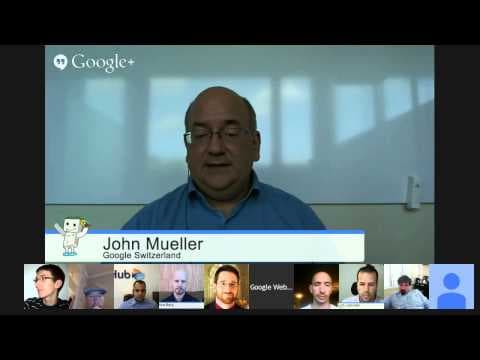
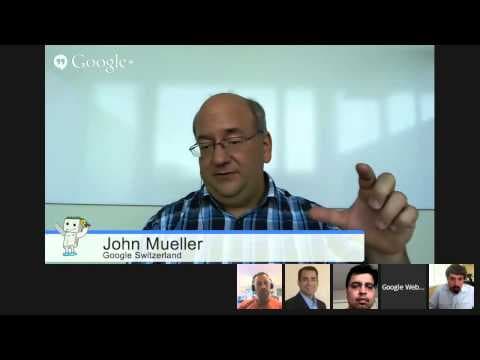
JOHN MUELLER: All right. Welcome, everyone, to today's Webmaster Central office hours hangout. My name is John Mueller. I'm a Webmaster trends analyst at Google in Switzerland. And part of what we do are this office hour hangouts, where folks can join in and ask their questions around the website and web search, and we could try to find answers for... Read More
Key Insights
- Site migrations often result in temporary 404 errors, which Google can handle by eventually processing redirects.
- The duration of a 404 error impacts how Google perceives a page's permanence; short-term errors are less problematic.
- When Google detects a redirect after a 404, it will reprocess the URL, but ranking fluctuations may occur during this period.
- For international sites, blocking Googlebot from specific regions may prevent indexing if US-based crawling is blocked.
- The 'last updated' date on a page can influence Google's crawling schedule, but content changes are the primary focus.
- Lazy loading images with 'loading=lazy' is beneficial for page speed and does not negatively impact SEO.
- Canonicalization issues can arise when content is similar across country-specific pages, affecting individual indexing.
- Quality signals influence indexing decisions; improving overall site quality can lead to better indexing rates.
Install to Summarize YouTube Videos and Get Transcripts
Explore YouTube Video Summarizer or Get YouTube Transcript Extractor
Questions & Answers
Q: How does Google handle temporary 404 errors during site migration?
Google can handle temporary 404 errors by eventually recognizing and processing redirects once they're fixed. If the errors are short-term, they are less problematic, and Google will reprocess the URLs and restore indexing. However, if errors persist for months, Google may consider the pages as permanently gone, which could affect indexing and ranking.
Q: What should I do if I need to block Googlebot from specific regions?
If you need to block Googlebot from specific regions, especially the US where most crawling originates, you must ensure that users from the same location as Googlebot have the same experience. This may involve blocking Googlebot entirely if content is restricted in the US. Alternatively, you can serve compliant content to Googlebot and users from the US, but avoid cloaking.
Q: Does the 'last updated' date on a page affect Google's crawling?
Yes, the 'last updated' date can influence Google's crawling schedule. Google primarily uses this date to determine when to recrawl a page. However, the primary focus is on content changes. If significant content updates are detected, Google may prioritize crawling those pages regardless of the 'last updated' date.
Q: Is lazy loading images with 'loading=lazy' good for SEO?
Yes, using 'loading=lazy' for images is beneficial for SEO as it improves page load times by only loading images when they are needed in the viewport. This attribute does not negatively impact SEO and is supported by major browsers like Chrome and Firefox, enhancing user experience without affecting image indexing.
Q: How can I resolve canonicalization issues with similar content across country-specific pages?
To resolve canonicalization issues, ensure that content is significantly different across country-specific pages. Minor tweaks like local phone numbers or structured data aren't enough. If Google sees the content as nearly identical, it may consolidate indexing to a single canonical page. Ensure substantial content differences to encourage separate indexing.
Q: Why might some pages not be indexed, even if they're technically accessible?
Pages may not be indexed if Google's algorithms are unsure about the overall quality of the website. Even if pages are technically accessible, Google may choose not to index them if it perceives the site as low quality. Improving site quality and content can lead to better indexing rates.
Q: How does Google handle redirects after a 404 error during site migration?
After a 404 error, once a redirect is set up, Google will eventually detect and process the redirect, restoring the page's indexing. The key is to fix the error promptly; short-term errors are less impactful. Prolonged 404 states can lead Google to consider the page as permanently gone, affecting its indexing.
Q: What should I consider when blocking Googlebot for legal reasons?
When legally required to block content from US users, ensure Googlebot, which crawls from the US, is also blocked, or serve compliant content. Avoid cloaking, which involves showing different content to Googlebot than to users. Instead, serve a consistent, legally-compliant version to both Googlebot and users from restricted regions.
Summary & Key Takeaways
-
Site migrations can lead to temporary 404 errors, but Google will process redirects once they're set up correctly. The impact on rankings depends on how long the pages were in error. If fixed quickly, the effect is minimal; if prolonged, Google may see the pages as gone.
-
International sites face challenges with Googlebot's US-based crawling, especially if content must be blocked for certain regions. Using hreflang and understanding Google's regional crawling behavior can aid in proper indexing.
-
Lazy loading images with the 'loading=lazy' attribute is recommended for faster page loads without harming SEO. This method is supported by major browsers and ensures images are loaded only when needed, improving user experience.
Read in Other Languages (beta)
Share This Summary 📚
Summarize YouTube Videos and Get Video Transcripts with 1-Click
Try YouTube Summary with ChatGPT & Claude or YouTube Transcript Generator
Explore More Summaries from Google Search Central 📚

Summarize YouTube Videos and Get Video Transcripts with 1-Click
Try YouTube Summary with ChatGPT & Claude or YouTube Transcript Generator