The LAST Eclipse in History
TL;DR
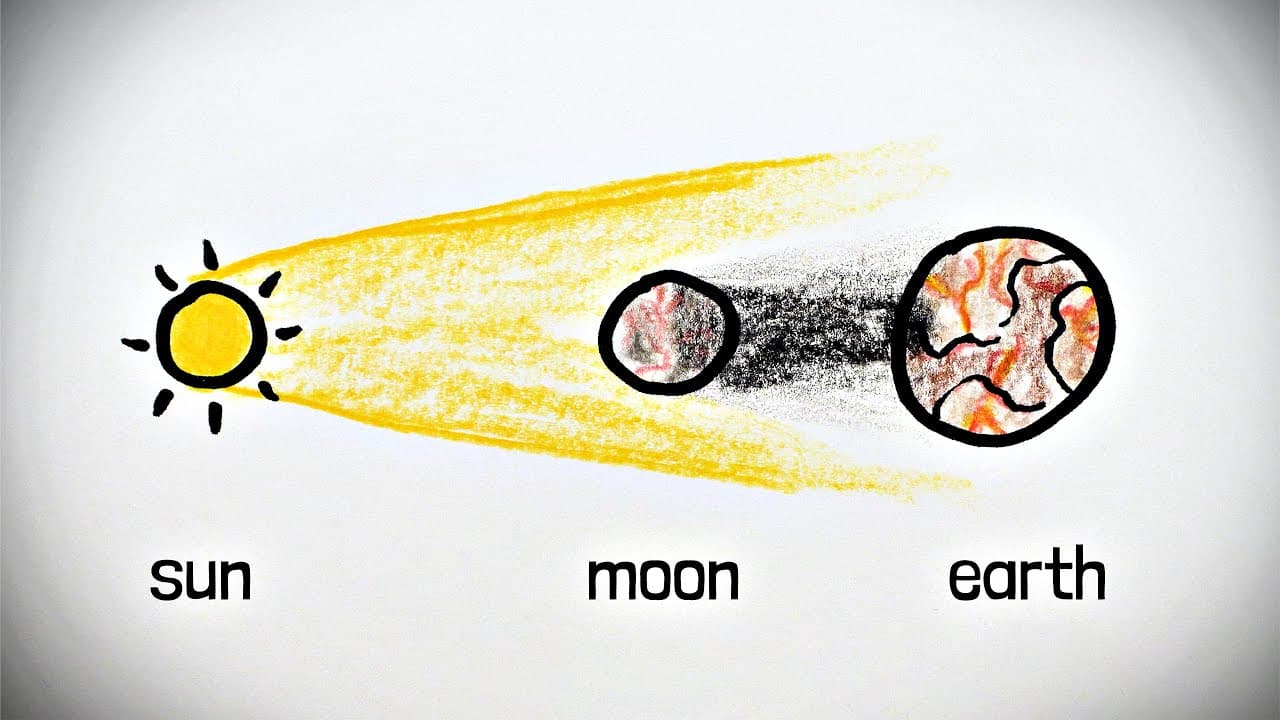
Solar eclipses are becoming less frequent and will eventually cease to occur due to the moon's increasing distance from the Earth.
Transcript
We are in the golden age of solar eclipses
- but only for the moment. In fact, I’d argue we’re already past peak solar eclipse and it’s all downhill from here. Let me explain. Solar eclipses are amazing phenomena, but they’re also, just, like, one object casting a shadow on another, which we see all the time. I think we’re impressed by our... Read More
Key Insights
- 😎 Solar eclipses are fascinating phenomena due to their ability to darken the sky, create a unique atmosphere, and reveal the sun's corona.
- ❓ The rarity and fleeting nature of total eclipses make them highly valued experiences.
- 🥮 The moon's increasing distance from the Earth has resulted in annular eclipses becoming more frequent than total eclipses.
- ❓ In the future, total eclipses will become rarer until they eventually cease to occur.
Install to Summarize YouTube Videos and Get Transcripts
Explore YouTube Video Summarizer or Get YouTube Transcript Extractor
Questions & Answers
Q: Why are current solar eclipses considered impressive?
Current solar eclipses are impressive because they darken the sky, create a deep blue atmosphere, reveal the sun's corona, and are rare and fleeting phenomena.
Q: What is the difference between total and annular eclipses?
Total eclipses occur when the moon fully blocks the sun, while annular eclipses occur when the moon appears smaller and doesn't completely obscure the sun.
Q: Why have annular eclipses become more common than total eclipses?
Annular eclipses have become more common because the moon's distance from the Earth has increased over time, causing its apparent size to be smaller than the sun on average.
Q: Will there be a time when total eclipses no longer occur?
Yes, as the moon continues to move farther away from the Earth, annular eclipses will become more common, and total eclipses will eventually cease to happen in about half a billion to a billion years.
Summary & Key Takeaways
-
Solar eclipses are currently impressive due to their ability to block the sun, create a unique atmosphere, reveal the sun's corona, and be rare and fleeting events.
-
There are two types of eclipses: total and annular. Total eclipses are more spectacular as the moon fully blocks the sun, while annular eclipses are less impressive as the moon appears smaller and doesn't fully obscure the sun.
-
Over billions of years, the moon has moved farther away from the Earth, causing the average size of the moon to appear smaller than the sun. As a result, annular eclipses have become more common than total eclipses.
Read in Other Languages (beta)
Share This Summary 📚
Summarize YouTube Videos and Get Video Transcripts with 1-Click
Try YouTube Summary with ChatGPT & Claude or YouTube Transcript Generator
Explore More Summaries from minutephysics 📚



Summarize YouTube Videos and Get Video Transcripts with 1-Click
Try YouTube Summary with ChatGPT & Claude or YouTube Transcript Generator