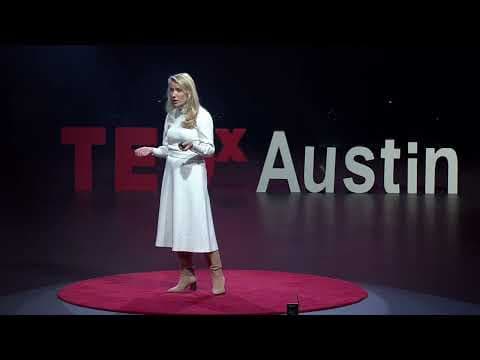
Take back your climate power | Nick Gogerty | TEDxDanubia

TL;DR
Anthropologist reveals the hidden environmental impact of everyday choices, urging people to buy cleaner to combat climate change.
Transcript
foreign I studied anthropology now anthropologists have four areas of study language physical anthropology which is genetics and our opposable thumbs things like that sociology which is how we organize ourselves to do things and the narratives and the stories we tell each other and then finally archeology which is kind of the study of the junk that... Read More
Key Insights
- 🥺 Anthropology insights led to analyzing climate change and hidden carbon emissions in everyday products.
- 😋 Pizza consumption illustrates the impact of food production on carbon emissions, urging consumers to make informed choices.
- 😷 Urging individuals and organizations to reclaim their power by asking, "Can I buy cleaner?" for a significant impact.
- 💱 Highlighting the importance of collective action in reducing carbon emissions and addressing climate change.
- 🎟️ Connecting individual choices to the larger mission of combating climate change, akin to building a cathedral or the moon mission.
- ✊ Emphasizing the power of persistent small changes in behavior to drive significant environmental impact.
- 💨 Proposing a shift towards buying cleaner products as a practical and impactful way to address climate change.
Install to Summarize YouTube Videos and Get Transcripts
Explore YouTube Video Summarizer or Get YouTube Transcript Extractor
Questions & Answers
Q: What are the four areas of study in anthropology mentioned in the talk?
The four areas of study in anthropology include language, physical anthropology (genetics), sociology, and archaeology. These disciplines help understand human behavior, culture, and societal structures.
Q: How does pizza consumption contribute to carbon emissions?
Pizza consumption contributes to carbon emissions due to the energy-intensive production processes for ingredients like flour, cheese, and the methane emissions from cows in cheese production.
Q: How does the speaker propose combating climate change in everyday choices?
The speaker suggests asking the question, "Can I buy cleaner?" to make informed choices and opt for products with lower carbon footprints, thus reducing the environmental impact of daily purchases.
Q: Why does the speaker emphasize the importance of buying cleaner products?
The speaker emphasizes buying cleaner products to combat climate change by reducing carbon emissions associated with daily consumption, emphasizing the power of individual and organizational choices in addressing environmental challenges.
Summary & Key Takeaways
-
Anthropologist discusses the four areas of anthropology and transitions to analyzing the climate change problem.
-
Observing his daughter's birthday parties, he connects pizza consumption to hidden carbon emissions in our daily lives.
-
Urging individuals and organizations to ask, "Can I buy cleaner?" to make informed choices and reduce carbon footprint.
Read in Other Languages (beta)
Share This Summary 📚
Summarize YouTube Videos and Get Video Transcripts with 1-Click
Try YouTube Summary with ChatGPT & Claude or YouTube Transcript Generator
Explore More Summaries from TEDx Talks 📚

Summarize YouTube Videos and Get Video Transcripts with 1-Click
Try YouTube Summary with ChatGPT & Claude or YouTube Transcript Generator