How to Negotiate Like an FBI Hostage Negotiator
TL;DR
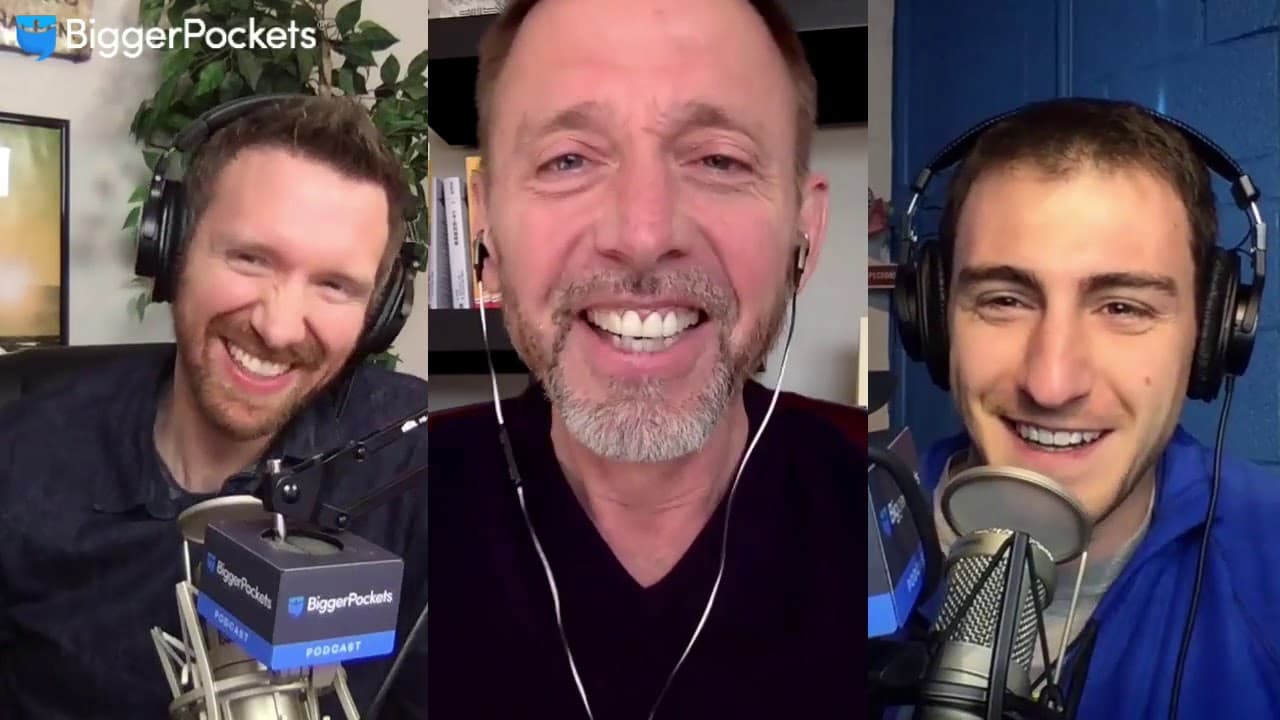
Chris Voss, a former FBI hostage negotiator, shares techniques that apply to business and real estate negotiations. Key strategies include active listening, tactical empathy, and using specific phrases like 'How am I supposed to do that?' to gain the upper hand. Voss emphasizes the importance of understanding the other party's perspective and creating a sense of control to foster collaboration and successful deal-making.
Transcript
this is a bigger Puckett's podcast show 260 you're listening to BiggerPockets radio simplifying real estate for investors large and small if you're here looking to learn about real estate investing without all the heights you're in the right place stay tuned and be sure to join the millions of others who have benefited from BiggerPockets calm your ... Read More
Key Insights
- Chris Voss emphasizes the power of tactical empathy in negotiations, which involves understanding and addressing the emotions of the other party.
- Mirroring, or repeating the last few words spoken by the other party, can encourage them to share more information and feel understood.
- The phrase 'How am I supposed to do that?' is a strategic way to say no while keeping the conversation open and collaborative.
- Voss highlights the importance of listening for hopes, dreams, and disappointments to uncover the true motivations behind a counterpart's position.
- In negotiations, giving the other party the illusion of control can lead to better outcomes and more agreeable deals.
- Voss suggests using odd-numbered pricing and decreasing increments to counteract high anchoring and reset negotiation dynamics.
- The goal is to make the other party feel like they got the best deal possible by focusing on how they feel about the process.
- Voss advises against naming a price first, as top negotiators prefer to gather information from the other side to uncover unexpected opportunities.
Install to Summarize YouTube Videos and Get Transcripts
Explore YouTube Video Summarizer or Get YouTube Transcript Extractor
Questions & Answers
Q: How can tactical empathy improve negotiation outcomes?
Tactical empathy involves understanding and addressing the emotions of the other party. By acknowledging their feelings and perspectives, you can build rapport and trust, making them more likely to share information and collaborate. This approach shifts the negotiation from adversarial to cooperative, increasing the chances of reaching a mutually beneficial agreement.
Q: What is the significance of mirroring in negotiations?
Mirroring is a technique where you repeat the last few words spoken by the other party. This encourages them to elaborate and share more information, making them feel understood and valued. Mirroring helps uncover underlying motivations and can lead to more productive conversations, ultimately facilitating better negotiation outcomes.
Q: Why is 'How am I supposed to do that?' an effective negotiation phrase?
This phrase is effective because it allows you to say no without closing off the conversation. It prompts the other party to reconsider their position and often leads them to provide solutions or concessions. By using this phrase, you maintain a collaborative tone and keep the negotiation moving forward positively.
Q: How does Voss suggest handling high anchoring tactics?
Voss recommends using the Ackermann system to counteract high anchoring. This involves starting with a low initial offer and making subsequent offers in decreasing increments, combined with odd-numbered pricing. This approach helps reset the negotiation dynamics and prevents the other party from controlling the range with their high anchor.
Q: What role does the illusion of control play in negotiations?
Giving the other party the illusion of control makes them feel empowered and more open to collaboration. By asking for their input and allowing them to guide parts of the process, they feel more invested in the outcome. This psychological tactic can lead to more agreeable deals and stronger relationships.
Q: Why does Voss advise against naming a price first?
Voss advises against naming a price first because it limits your ability to gather information and understand the other party's perspective. By allowing the other side to go first, you might uncover unexpected opportunities or concessions. This approach helps you make more informed decisions and negotiate more effectively.
Q: How can understanding emotions transform negotiations?
Understanding emotions can transform negotiations by shifting the focus from conflict to collaboration. By addressing the emotional needs of the other party, you build trust and rapport, making them more willing to work with you. This emotional intelligence approach leads to more successful and sustainable agreements.
Q: What is the benefit of using odd-numbered pricing in negotiations?
Odd-numbered pricing creates the perception of a well-thought-out and precise offer, which can make it more credible and acceptable to the other party. It disrupts the typical negotiation patterns and can lead to more favorable outcomes by making the offer seem less arbitrary and more calculated.
Summary & Key Takeaways
-
Chris Voss shares negotiation tactics from his FBI experience, emphasizing tactical empathy and active listening. Techniques like mirroring and strategic questioning help uncover true motivations, leading to better deals. Voss advises against high anchoring and suggests using odd-numbered pricing to reset negotiations.
-
Voss explains the importance of making the other party feel heard and respected, which can lead to more successful negotiations. He highlights the power of creating a sense of control for the counterpart, which fosters collaboration and long-lasting agreements.
-
The Ackermann system, involving decreasing increments and odd-numbered pricing, is recommended for counteracting high anchors. Voss stresses that understanding the emotional aspects of negotiation can transform it from a conflict into a collaborative process.
Read in Other Languages (beta)
Share This Summary 📚
Summarize YouTube Videos and Get Video Transcripts with 1-Click
Try YouTube Summary with ChatGPT & Claude or YouTube Transcript Generator
Explore More Summaries from BiggerPockets 📚





Summarize YouTube Videos and Get Video Transcripts with 1-Click
Try YouTube Summary with ChatGPT & Claude or YouTube Transcript Generator