El diario de guerra de Paz Zamora Mascuñana
TL;DR
Paz Zamora's memoirs capture resilience during WWII in Manila.
Transcript
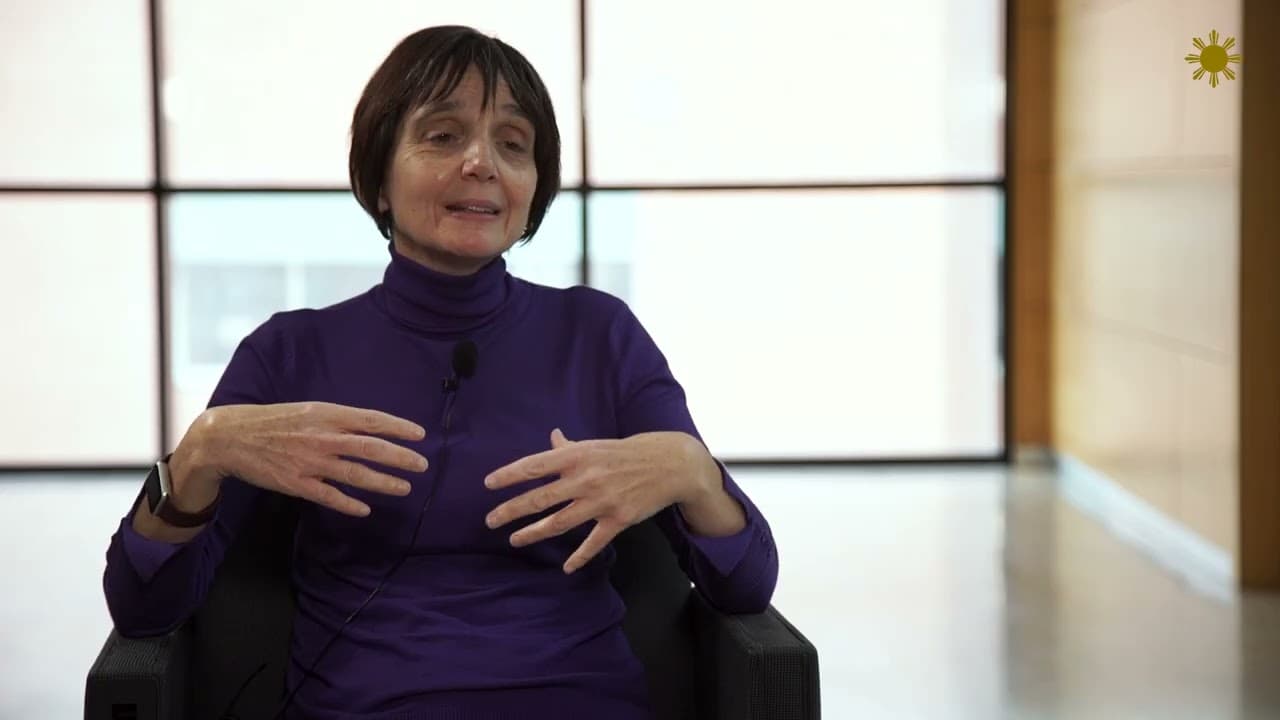
Hello, Diana. Hello, Rocío. Let us talk a bit about this woman writer that you have studied, Paz Zamora Mascuñana. Tell us a bit about her. Who was Paz Zamora Mascuñana and why is she relevant in this course on Philippine Literature in Spanish? Well, it’s a pleasure to talk about an esteemed woman because she brings together in herself a great vari... Read More
Key Insights
- Paz Zamora Mascuñana was a multifaceted woman known for her literary contributions, philanthropic spirit, and polyglot abilities, including knowledge of Esperanto.
- Her literary works include short stories, memoirs, poetry, and cookbooks, with notable publications in 1924 and 1960.
- Zamora's memoirs about the Battle of Manila are written in a diary format, providing a personal narrative of survival and gratitude amidst chaos.
- The memoirs highlight her resilience, gratitude towards American rescuers, and her faith in God during the horrors of war.
- She emphasizes the importance of maintaining humanity and order amidst the disorder and chaos of war.
- Zamora's writing reflects her role as a guardian of Filipino morality and her support for Filipino independence from the United States.
- Her connections with other women writers, like Sofia de Vieira, show a shared commitment to social causes and women's rights.
- Zamora's work is part of a broader literary context of memoirs and testimonies about the war, including those by other women and international figures.
Install to Summarize YouTube Videos and Get Transcripts
Explore YouTube Video Summarizer or Get YouTube Transcript Extractor
Questions & Answers
Q: Who was Paz Zamora Mascuñana?
Paz Zamora Mascuñana was a multifaceted writer and philanthropist known for her literary contributions in stories, memoirs, poetry, and cookbooks. She was a polyglot with knowledge of Esperanto, and her works reflect a strong social and philanthropic spirit. Her writings are significant in the context of Philippine literature in Spanish.
Q: What are the main themes of Zamora's memoirs?
The main themes of Paz Zamora's memoirs include resilience, survival, and gratitude amidst the chaos of the Battle of Manila during WWII. Her writings emphasize the importance of maintaining humanity and order amidst disorder, as well as her faith in God and gratitude towards American rescuers.
Q: How did Zamora's writing style evolve in her memoirs?
In her memoirs, Paz Zamora initially used the first-person plural but switched to the first-person singular after a personal tragedy—the burning of her residence and possessions. This shift reflects a more personal narrative, emphasizing her individual experiences and emotions during the war.
Q: What was Zamora's role in the Filipino independence movement?
Paz Zamora played a role as a moral guardian and supporter of the Filipino independence movement. Her writings reflect her commitment to Filipino morality and her support for the country's pursuit of independence from the United States. She also connected with other women writers who shared similar pro-independence and social commitments.
Q: What literary connections did Zamora have with other women writers?
Paz Zamora had literary connections with other women writers, such as Sofia de Vieira, who advocated for suffragism and created a women's press. These connections highlight a shared commitment to social causes and women's rights, reflecting a broader literary network among women writers of her time.
Q: What is the significance of Zamora's use of the diary format in her memoirs?
The diary format in Paz Zamora's memoirs allows for a structured and personal account of her experiences during the Battle of Manila. This format helps her bring order to the chaos of war, providing a detailed and intimate narrative of survival, resilience, and gratitude amidst the horrors she witnessed.
Q: How does Zamora's work fit into the broader context of war literature?
Paz Zamora's work fits into the broader context of war literature by providing a personal narrative of the Battle of Manila. Her memoirs are part of a larger body of war literature, including testimonies by other women and international figures, highlighting the diverse experiences and perspectives during WWII.
Q: What impact did the Battle of Manila have on Zamora's writing?
The Battle of Manila had a profound impact on Paz Zamora's writing, as it provided the backdrop for her memoirs. The traumatic events she experienced, including the destruction of her home and possessions, shaped her narrative of survival, resilience, and gratitude. Her writings capture the chaos and devastation of war while emphasizing the importance of maintaining humanity.
Summary & Key Takeaways
-
Paz Zamora Mascuñana was a notable writer and philanthropist known for her diverse literary works, including stories and memoirs. Her memoirs about the Battle of Manila provide a powerful narrative of resilience and gratitude amidst the chaos of war, emphasizing the importance of maintaining humanity.
-
Zamora's writings reflect her role as a moral guardian and supporter of Filipino independence. Her connections with other women writers highlight a shared commitment to social causes. Her memoirs, written in diary format, capture the personal and collective struggles during WWII in Manila.
-
Her work is part of a larger context of war literature, including memoirs by other women and international figures. Zamora's narrative emphasizes the importance of order amidst disorder and gratitude towards American rescuers and faith in God during traumatic experiences.
Read in Other Languages (beta)
Share This Summary 📚
Summarize YouTube Videos and Get Video Transcripts with 1-Click
Try YouTube Summary with ChatGPT & Claude or YouTube Transcript Generator
Explore More Summaries from universidadurjc 📚




Summarize YouTube Videos and Get Video Transcripts with 1-Click
Try YouTube Summary with ChatGPT & Claude or YouTube Transcript Generator