Rosemary Arrojo, Translation Theory Through Fiction, part 2 of 2

TL;DR
This analysis explores the intricacies of translations, the role of the translator, and the author's desire to protect their work.
Transcript
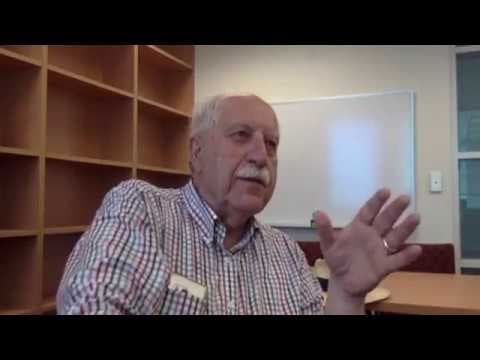
I I have a serious objection okay had to think about uh the thing about a footnote is that there's this line on the page and that line separates translational discourse the translator translating who has no voice has no first person proun and below the line the translator can use a first person yes and for me below the line that is not discour well... Read More
Key Insights
- 💁 Footnotes should prioritize providing information directly related to the text being translated.
- 🎮 Translators have the potential to manipulate the author's intentions and take control over the text.
- 🧑🏭 The act of translation involves navigating issues of property, fidelity, and betrayal.
- 🤩 The desire to protect one's territory and control over their work is a key element in the translation process.
- 🤗 The absence of the translated text creates an open space for interpretation and reader engagement.
- 🙈 The role of the translator can often be seen as subversive and associated with invasion or theft.
- ❓ The relationship between author and translator is complex, with potential for both trust and skepticism.
Install to Summarize YouTube Videos and Get Transcripts
Explore YouTube Video Summarizer or Get YouTube Transcript Extractor
Questions & Answers
Q: Why are footnotes objectionable when they are unrelated to the text being translated?
Footnotes should primarily provide information related to the text itself. When footnotes delve into the personal life of the translator or unrelated topics, it detracts from the reader's understanding of the text and undermines the purpose of translation.
Q: How does Calvino's book handle the issue of translations and the translator's role?
Calvino's book portrays a translator who becomes a parody of a strong translator, using the position to manipulate the author's intentions and even substitute fragments from different novels. This highlights the potential subversive power of translators and the potential for control over the text.
Q: Why do translators sometimes make changes to translated texts?
Translators often make changes to adhere to the norms and expectations of the target language and audience. However, these changes can sometimes deviate from the original text due to the influence of publishers or other external factors.
Q: What is at stake for authors in the translation process?
Authors have a vested interest in protecting their texts and ensuring they are accurately translated. However, the translator's intervention can be seen as an invasion of their territory, prompting a desire for control and fidelity to the original work.
Summary & Key Takeaways
-
The speaker discusses the concept of footnotes and the separation between translational discourse and the translator's personal involvement.
-
The analysis highlights the objection to footnotes that are unrelated to the text and instead focus on the translator's personal life.
-
The comparison is made to 19th-century translations that dealt with sexuality and used footnotes to explain or avoid controversial aspects.
Read in Other Languages (beta)
Share This Summary 📚
Summarize YouTube Videos and Get Video Transcripts with 1-Click
Try YouTube Summary with ChatGPT & Claude or YouTube Transcript Generator
Explore More Summaries from Anthony Pym 📚
Summarize YouTube Videos and Get Video Transcripts with 1-Click
Try YouTube Summary with ChatGPT & Claude or YouTube Transcript Generator