Electra by Sophocles | Prologos
TL;DR
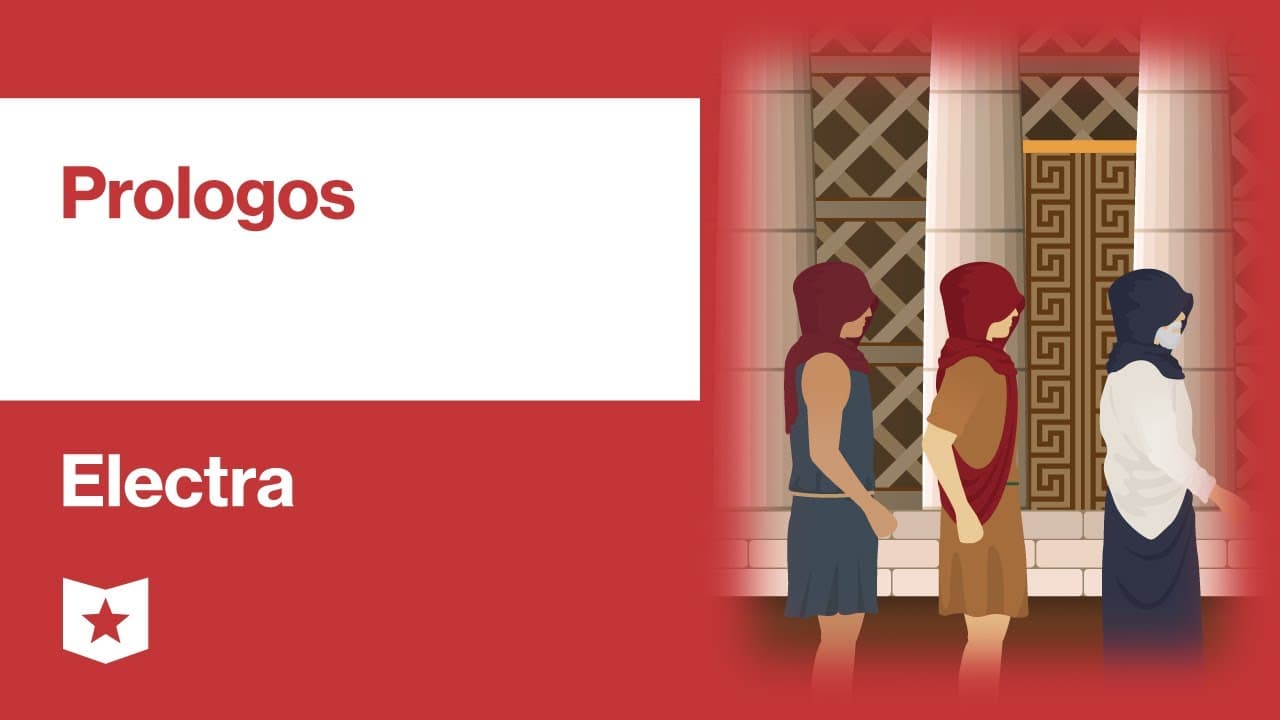
Elektra seeks revenge for Agamemnon's murder, planning with Pedagogos and Pylades in the Mycenae palace prologue.
Transcript
in the prologue OSEM Elektra arrestees arrives in Mycenae accompanied by his friend pill ADIZ and his friend and former tutor pedagogue Asst all are in disguise pedagogy identifies features of the area and reminds arrestees that his sister asked the tutor to rescue him after the murder of their father Agamemnon pedagogic oints out that they need to... Read More
Key Insights
- 👨 Revenge is a central theme in Elektra, as Elektra aims to avenge her father's murder.
- 🖐️ Pedagogos plays a vital role as Elektra's advisor and protector in her quest for justice.
- 🏋️ The setting of the palace of Mycenae adds symbolic weight to the story of Agamemnon's cursed bloodline.
- 🥸 Elektra's plan for revenge is meticulously crafted, involving disguise and strategic action.
- 🖐️ Greek plays often unfold within a short time frame, intensifying the drama and action.
- ❓ Pedagogos' role as a tutor signifies his importance in the household and the upbringing of Elektra and her siblings.
- 🛟 The prologue serves to introduce Elektra's backstory and the primary theme of revenge to the audience.
Install to Summarize YouTube Videos and Get Transcripts
Explore YouTube Video Summarizer or Get YouTube Transcript Extractor
Questions & Answers
Q: What is the primary theme introduced in the prologue of Elektra?
The primary theme introduced is revenge, as Elektra plans to avenge her father Agamemnon's murder with the help of Pedagogos and Pylades.
Q: Why is Pedagogos essential in Elektra's revenge plot?
Pedagogos is crucial as he not only looks after Elektra but also reminds her of the need for vengeance and provides strategic advice in carrying out their plan.
Q: How is the setting described in the prologue significant to the story?
The setting, particularly the palace of Mycenae, symbolizes the cursed bloodline of Agamemnon's family, adding depth to Elektra's quest for justice and restoration.
Q: Why is the time of day mentioned in the prologue important in Greek plays?
The mention of time, from early morning to afternoon, sets the stage for the swift action typical of Greek plays, signifying a short time frame for events to unfold dramatically.
Summary & Key Takeaways
-
Elektra, with Pedagogos and Pylades, plans revenge for Agamemnon's murder.
-
Pedagogos reminds of Elektra's backstory and importance of revenge.
-
Setting details and time of day add symbolic layers to Elektra's vengeance plot.
Read in Other Languages (beta)
Share This Summary 📚
Summarize YouTube Videos and Get Video Transcripts with 1-Click
Try YouTube Summary with ChatGPT & Claude or YouTube Transcript Generator
Explore More Summaries from Course Hero 📚




Summarize YouTube Videos and Get Video Transcripts with 1-Click
Try YouTube Summary with ChatGPT & Claude or YouTube Transcript Generator