Most Popular Portuguese 🇵🇹 Dishes You Must Try
TL;DR
Explore traditional Portuguese dishes and their unique ingredients.
Transcript
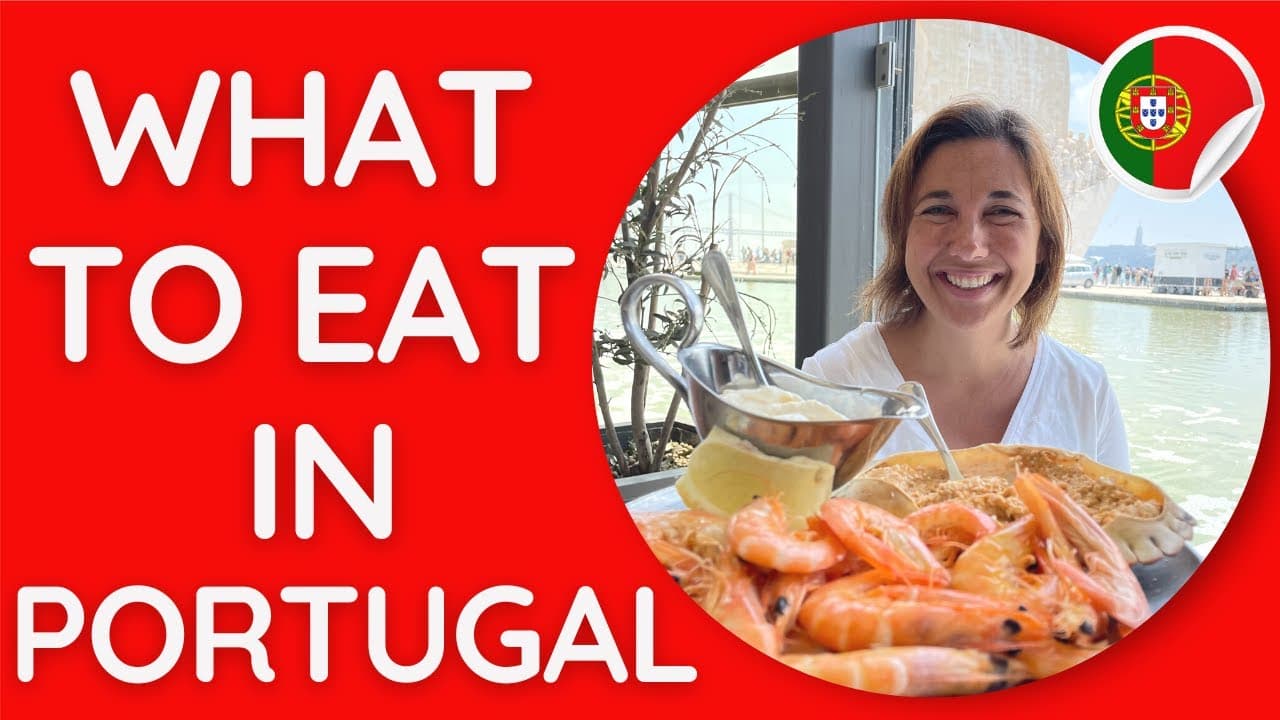
Today we will be talking about Portuguese food. I will be covering some of the most common Portuguese dishes so you will become familiar with what you will find at a traditional Portuguese restaurant. What I love about the Portuguese cuisine is the variety of food we eat. If you enjoy my videos don't forget to give me a like and make sure you'r... Read More
Key Insights
- Portuguese cuisine features a wide variety of dishes, with salted cod (bacalhau) being a staple despite not being caught in local waters.
- Bacalhau can be prepared in numerous ways, including Bacalhau assado, Bacalhau à Brás, and Bacalhau com Natas, each offering a unique flavor profile.
- Rice dishes are prevalent in Portuguese cuisine, with Arroz de Pato and Arroz de Marisco being popular, differing from Spanish Paella by being served al dente with broth.
- Caldeirada is a traditional fish stew found in fisherman towns, made with various fishes and vegetables, offering a rich sauce.
- Carne de Porco à Alentejana combines pork, clams, and cilantro, showcasing the unique flavors from the Alentejo region.
- Açorda, a bread-based dish, and Alheira, a non-pork sausage, highlight the ingenuity of Portuguese cooking, catering to different dietary needs.
- Cozido à Portuguesa is a hearty meat and vegetable stew, with variations like Cozido das Furnas cooked underground in the Azores due to volcanic activity.
- Regional specialties include Madeira's fish with banana and Porto's Francesinha sandwich, reflecting the diverse culinary landscape across Portugal.
Install to Summarize YouTube Videos and Get Transcripts
Explore YouTube Video Summarizer or Get YouTube Transcript Extractor
Questions & Answers
Q: What is Bacalhau and why is it significant in Portuguese cuisine?
Bacalhau, or salted cod, is a staple in Portuguese cuisine despite not being caught in local waters. It holds cultural significance, with a saying that there are 365 ways to prepare it, one for each day of the year. Popular preparations include Bacalhau assado, Bacalhau à Brás, and Bacalhau com Natas, each offering distinct flavors and textures.
Q: How does Portuguese rice differ from Spanish Paella?
Portuguese rice dishes, such as Arroz de Pato and Arroz de Marisco, differ from Spanish Paella by being cooked on the stove and served al dente with broth. These dishes often incorporate local ingredients like duck or seafood, providing a unique taste that sets them apart from the more commonly known Paella.
Q: What makes Carne de Porco à Alentejana unique?
Carne de Porco à Alentejana is a unique dish from the Alentejo region, combining sautéed pork cubes with clams, cubed fries, and a flavorful sauce. The dish is garnished with chopped cilantro, creating an unusual yet delicious combination that reflects the region's culinary creativity and use of local ingredients.
Q: What is the significance of Açorda in Portuguese cuisine?
Açorda is a traditional Portuguese dish that resembles porridge, made with bread soaked in broth and mixed with egg yolk. It is particularly popular in the Alentejo region, with variations like Açorda de Camarão featuring shrimp. The dish highlights the resourcefulness of Portuguese cooking, utilizing simple ingredients to create flavorful meals.
Q: How is Cozido à Portuguesa prepared and what are its variations?
Cozido à Portuguesa is a hearty stew made with a variety of meats and sausages, boiled with vegetables like potatoes, carrots, and cabbage. A unique variation is Cozido das Furnas from São Miguel in the Azores, where the dish is cooked underground using volcanic heat, showcasing the region's natural resources and culinary traditions.
Q: What are some regional specialties in Portuguese cuisine?
Portuguese cuisine features regional specialties like Madeira's fish with banana and Porto's Francesinha sandwich. Madeira's dish combines fish with tropical flavors, while the Francesinha is an eccentric sandwich with meat, cheese, and a rich sauce. These dishes reflect the diverse culinary landscape across Portugal, each offering unique tastes and textures.
Q: What is the story behind Alheira sausage?
Alheira is a type of Portuguese sausage made with meats and bread, originally created by Jews in Portugal to avoid eating pork. It resembles traditional Portuguese sausages but contains no pork, showcasing the ingenuity of Portuguese cooking in adapting to dietary restrictions while maintaining cultural culinary practices.
Q: How is the cataplana used in Portuguese cooking?
The cataplana is a traditional Portuguese cookware item used mainly in the Algarve region for cooking fish and seafood. It functions like a pressure cooker, sealing in steam and flavors, resulting in deliciously cooked dishes. This method highlights the Portuguese emphasis on preserving the natural flavors of fresh ingredients, particularly seafood.
Summary & Key Takeaways
-
Portuguese cuisine is diverse, with a focus on salted cod, rice dishes, and regional specialties. Bacalhau is a hallmark, prepared in various ways, while rice dishes like Arroz de Pato and Arroz de Marisco offer unique flavors. Regional dishes like Carne de Porco à Alentejana and Açorda showcase local ingredients.
-
Caldeirada, a fish stew, is popular in fisherman towns, offering rich flavors with fish and vegetables. Cozido à Portuguesa is a traditional meat and vegetable stew, with a unique variation in the Azores cooked underground. Madeira's fish with banana and Porto's Francesinha sandwich highlight regional diversity.
-
Portuguese cuisine creatively adapts to dietary needs, as seen in Alheira, a non-pork sausage. The use of local ingredients and traditional cooking methods, such as the cataplana in the Algarve, reflect the country's rich culinary heritage. The cuisine is celebrated for its variety and regional specialties.
Read in Other Languages (beta)
Share This Summary 📚
Summarize YouTube Videos and Get Video Transcripts with 1-Click
Try YouTube Summary with ChatGPT & Claude or YouTube Transcript Generator
Explore More Summaries from Learn European Portuguese Online 📚




Summarize YouTube Videos and Get Video Transcripts with 1-Click
Try YouTube Summary with ChatGPT & Claude or YouTube Transcript Generator