How to Relieve Chronic Pain in Joints

TL;DR
Chronic pain in areas like the low back, shoulders, and knees can be alleviated by identifying the root cause and prioritizing proper movement. Addressing mobility and stability issues is crucial for long-term relief and improved performance. Frequent practice of specific exercises can reconnect neural pathways and enhance movement quality, leading to better muscle development and reduced risk of injury.
Transcript
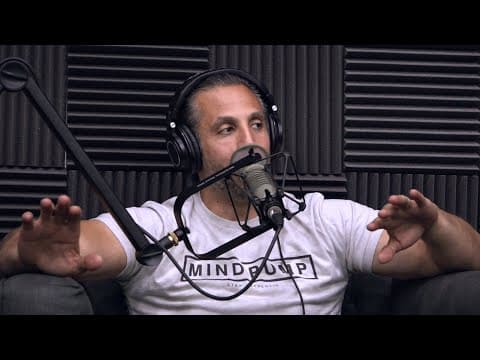
in this episode we talk all about pain we talk about how to eliminate your chronic pain in your body whether it's your low back your shoulders your knees your hips we get into ankle stuff we talk about the upper body we talk about why pain is the number one thing you should consider with your training even if you don't think you have any right now ... Read More
Key Insights
- Pain is the number one factor to consider in training, even if not currently experiencing it.
- Chronic pain differs from acute pain; it persists without recent injury.
- Movement patterns influence joint wear and tear, leading to pain.
- Mobility training reconnects neural pathways, improving movement.
- Proper posture and mechanics prevent muscle imbalances.
- Frequent short sessions improve mobility better than infrequent long ones.
- Priming before workouts enhances movement quality and reduces injury risk.
- Mobility is crucial for maximizing muscle growth and fat loss.
Install to Summarize YouTube Videos and Get Transcripts
Explore YouTube Video Summarizer or Get YouTube Transcript Extractor
Questions & Answers
Q: How to identify the root cause of chronic pain?
Identifying the root cause of chronic pain involves assessing movement patterns and joint function. Often, pain in one area is due to compensations from surrounding joints or muscles. A thorough assessment of mobility and stability in all major joints can reveal areas of dysfunction, guiding targeted interventions to address the underlying issues.
Q: Why is mobility training important for chronic pain?
Mobility training is crucial for chronic pain because it helps re-establish neural connections and improve movement quality. By enhancing joint range of motion and stability, mobility exercises reduce compensatory patterns that lead to pain. This approach not only alleviates existing pain but also prevents future issues by promoting optimal movement mechanics.
Q: What is the difference between acute and chronic pain?
Acute pain is typically a direct result of an injury or trauma, presenting suddenly and resolving as the injury heals. Chronic pain, however, persists over time without a recent injury, often due to poor movement patterns or compensations. It requires a different approach, focusing on correcting underlying dysfunctions rather than rest and recovery.
Q: How does priming before workouts help with pain relief?
Priming before workouts helps with pain relief by preparing the body for movement, activating the right muscles, and ensuring proper alignment. This process enhances the quality of exercise execution, reducing the risk of reinforcing poor movement patterns that contribute to pain. Priming sets the stage for more effective and safer workouts.
Q: Why is frequency important in mobility training?
Frequency is important in mobility training because it helps reinforce neural pathways and improve motor control. Short, frequent sessions are more effective than infrequent, longer ones, as they consistently stimulate the nervous system to adapt and improve. This approach accelerates the process of regaining movement quality and alleviating pain.
Q: What are common misconceptions about chronic pain?
Common misconceptions about chronic pain include the belief that it is an inevitable part of aging or that rest is the best solution. Many people fail to connect chronic pain with movement dysfunctions, leading to ineffective management. Understanding that chronic pain often results from poor mechanics and can be improved with targeted interventions is crucial.
Q: How can improving mobility enhance muscle growth?
Improving mobility enhances muscle growth by allowing for better exercise execution, which maximizes muscle activation and reduces injury risk. Optimal movement patterns enable more effective loading of muscles, leading to greater hypertrophy. Additionally, improved joint function allows for a wider variety of exercises, further stimulating muscle development.
Q: What role does posture play in managing chronic pain?
Posture plays a significant role in managing chronic pain as it affects the alignment and function of the entire musculoskeletal system. Poor posture can lead to compensatory patterns and imbalances, increasing the risk of pain. Addressing posture through mobility and stability exercises helps restore balance, reducing stress on joints and alleviating pain.
Summary & Key Takeaways
-
Chronic pain can be managed by understanding its root causes and focusing on mobility and movement quality. Identifying and correcting poor movement patterns helps prevent joint wear and tear, reducing pain over time. Regular, short mobility exercises reconnect neural pathways, enhancing strength and flexibility.
-
Proper posture and mechanics are essential for preventing muscle imbalances and ensuring effective workouts. Prioritizing mobility improves performance and aesthetics by allowing for better exercise execution and reducing injury risk. Priming before workouts is a key strategy to optimize movement.
-
Mobility training should be frequent and targeted, focusing on specific problem areas to improve connection and control. By addressing these issues, individuals can enhance their physical capabilities, leading to better muscle development and increased fat burning efficiency.
Read in Other Languages (beta)
Share This Summary 📚
Summarize YouTube Videos and Get Video Transcripts with 1-Click
Try YouTube Summary with ChatGPT & Claude or YouTube Transcript Generator
Explore More Summaries from Mind Pump Show 📚





Summarize YouTube Videos and Get Video Transcripts with 1-Click
Try YouTube Summary with ChatGPT & Claude or YouTube Transcript Generator