How to Empower Women Financially
TL;DR
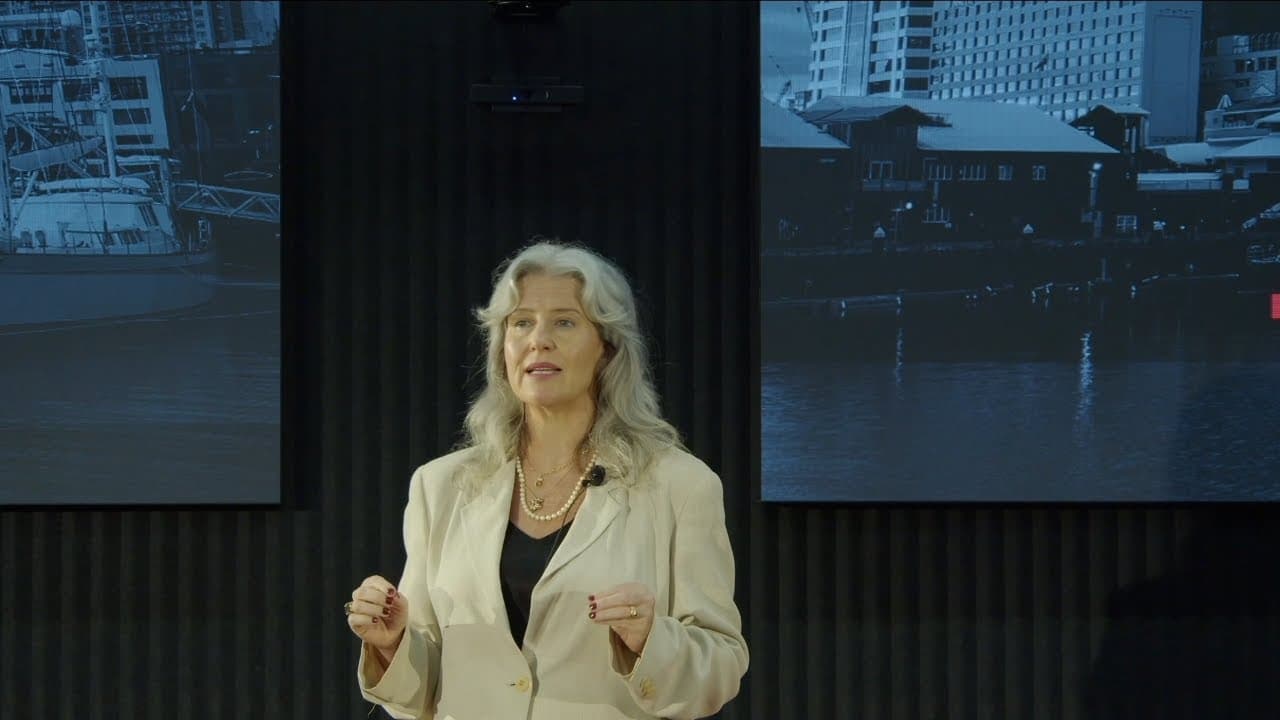
Empowering women financially can lead to a more equitable distribution of wealth and power. Angela Meyer discusses the socio-cultural and systemic barriers women face in financial well-being, emphasizing the importance of redesigning economic systems to include caregiving roles. More money in women's hands can provide them with security, choices, and the ability to thrive.
Transcript
Tena koutou, tena koutou, tena koutou katoa. Ko Angela Meyer toku ingoa. For years, I berated myself about being absolutely useless with money. You might remember the song, um, "Money, money, money." Yeah. Well, it's funny because I knew the lyrics to so many '70s and '80s pop songs, but I knew next to nothing about how to manage my own money. Now,... Read More
Key Insights
- Women often feel financially stressed, with societal and systemic factors playing significant roles.
- Men and women experience money differently; women associate it more with stress, while men see it as hopeful.
- Financial well-being is influenced by trauma, which can limit cognitive bandwidth and decision-making.
- Traditional economic systems, based on Adam Smith's models, undervalue caregiving and community-building roles often performed by women.
- The gender pay gap and retirement savings disparities highlight systemic biases against women in financial systems.
- GDP measurements overlook unpaid caregiving work, revealing design decisions about whose labor is valued.
- Empowering women financially can lead to a redistribution of wealth and power, fostering a more equitable society.
- Redesigning financial systems to include caregiving roles can enhance women's financial security and choices.
Install to Summarize YouTube Videos and Get Transcripts
Explore YouTube Video Summarizer or Get YouTube Transcript Extractor
Questions & Answers
Q: Why do women experience more financial stress than men?
Women experience more financial stress due to a combination of systemic and cultural factors. Traditional economic systems have historically undervalued roles often performed by women, such as caregiving and community-building, which are not accounted for in financial metrics like GDP. Additionally, trauma can impact cognitive bandwidth, making financial decision-making more challenging for women.
Q: How does trauma affect financial well-being?
Trauma can significantly impact financial well-being by shrinking cognitive bandwidth, which limits an individual's ability to think, plan, and make decisions. This can make financial management and planning more overwhelming, especially for women who have experienced trauma, leading to increased financial stress and challenges in achieving financial stability.
Q: What systemic issues contribute to the gender pay gap?
The gender pay gap is influenced by systemic issues such as the undervaluation of caregiving roles, which are predominantly performed by women. Economic systems, based on models like those of Adam Smith, prioritize paid market labor and exclude unpaid caregiving work from financial metrics. This results in lower earnings and retirement savings for women, contributing to the pay gap.
Q: How can economic systems be redesigned to empower women?
Economic systems can be redesigned to empower women by valuing caregiving and community roles, traditionally excluded from financial metrics. This includes integrating these roles into GDP calculations and creating policies that support women's financial contributions. By recognizing and compensating unpaid work, systems can provide women with more financial security and opportunities.
Q: What impact does empowering women financially have on society?
Empowering women financially can lead to a more equitable distribution of wealth and power, fostering a society where women have greater security and choices. It can help redistribute resources, allowing women to thrive and make decisions that affect their well-being and future. This empowerment can also challenge systemic biases and drive social and economic innovation.
Q: Why is caregiving undervalued in traditional economic models?
Caregiving is undervalued in traditional economic models because these models prioritize paid, market-based labor and exclude unpaid work, often performed by women. The work of caregiving is difficult to quantify and has historically been assumed to be freely and abundantly available, leading to its exclusion from financial metrics like GDP and contributing to systemic gender biases.
Q: How does the design of economic systems affect women's financial well-being?
The design of economic systems affects women's financial well-being by excluding caregiving roles from financial metrics, leading to lower earnings and savings for women. Systems based on market labor undervalue unpaid work, contributing to gender pay gaps and retirement savings disparities. Redesigning these systems to include caregiving can enhance women's financial security and opportunities.
Q: What role does policy play in financial empowerment for women?
Policy plays a crucial role in financial empowerment for women by creating frameworks that recognize and value caregiving and community roles. Innovative policies can integrate these roles into economic metrics, provide support for women's financial contributions, and address systemic biases. By prioritizing equitable policies, society can enhance women's financial security and drive social change.
Summary & Key Takeaways
-
Angela Meyer discusses the financial challenges women face, rooted in systemic and cultural biases. She emphasizes the need for economic systems to recognize and value caregiving roles, traditionally performed by women. Empowering women financially can lead to a redistribution of wealth and power, providing them with security and choices.
-
The video highlights the different experiences men and women have with money, noting that women often associate it with stress. Meyer points out that financial well-being is not just about mindset but is influenced by systemic design issues that undervalue women's contributions.
-
Meyer calls for innovative policies that prioritize caregiving and community roles, which have historically been excluded from economic models. By placing more money in women's hands, society can foster an environment where women can thrive, leading to a more equitable distribution of resources and opportunities.
Read in Other Languages (beta)
Share This Summary 📚
Summarize YouTube Videos and Get Video Transcripts with 1-Click
Try YouTube Summary with ChatGPT & Claude or YouTube Transcript Generator
Explore More Summaries from TEDx Talks 📚



Summarize YouTube Videos and Get Video Transcripts with 1-Click
Try YouTube Summary with ChatGPT & Claude or YouTube Transcript Generator