How to Avoid Body Fat Gain from High Protein Diet

TL;DR
Protein is highly satiating and has a significant thermic effect, making it difficult to overeat and gain body fat from it. Studies show that increasing calories through protein results in less fat gain and some muscle gain compared to carbohydrates and fats. High protein diets also support muscle growth, which further boosts metabolism and calorie burning.
Transcript
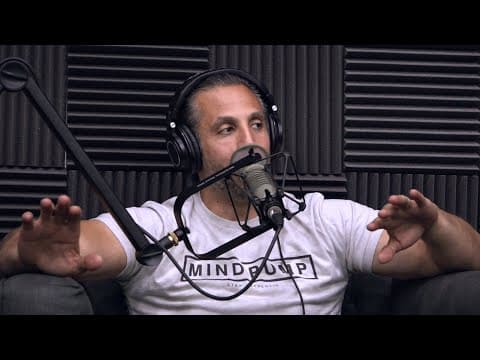
all right look it's almost impossible to gain body fat from eating a lot of protein all right guys let's talk about this for a little bit i i don't i don't disagree with that i i remember the first time that um i kind of figured this out we've talked we on the show when uh when we piece together the processed foods uh you know tip right telling cli... Read More
Key Insights
- Protein is extremely satiating, making it difficult to overeat compared to carbohydrates and fats.
- Studies show that increasing calories through protein leads to less fat gain and some muscle gain.
- Protein has a high thermic effect, meaning it increases the number of calories burned during digestion.
- High protein diets support muscle growth, which in turn boosts metabolism and calorie burning.
- In healthy individuals, high protein diets are linked to lower risks of all-cause mortality, especially in older populations.
- Eating protein before carbohydrates can reduce overall calorie intake due to its satiating effects.
- Human bodies have natural safeguards against overeating, which can be bypassed by engineered, highly palatable foods.
- Modern diets with engineered foods often bypass natural satiety signals, leading to overeating.
Install to Summarize YouTube Videos and Get Transcripts
Explore YouTube Video Summarizer or Get YouTube Transcript Extractor
Questions & Answers
Q: How does protein affect body fat gain?
Protein is highly satiating, making it difficult to overeat compared to other macronutrients like carbohydrates and fats. Its high thermic effect increases calorie burning during digestion, and studies show that increasing calories through protein leads to less fat gain and some muscle gain. This makes it challenging to gain body fat from protein-rich diets.
Q: What is the thermic effect of protein?
The thermic effect of protein refers to the increase in calorie expenditure that occurs during its digestion and metabolism. Protein requires more energy to process compared to carbohydrates and fats, thus boosting the number of calories burned. This contributes to its role in reducing body fat gain when consumed in high amounts.
Q: Why are high protein diets beneficial for older adults?
High protein diets are beneficial for older adults because they support muscle growth and strength preservation, which are crucial for reducing the risk of all-cause mortality. As muscle mass contributes to a higher metabolic rate, maintaining muscle strength through protein intake can improve overall health and longevity in older populations.
Q: How can eating order affect calorie intake?
Eating protein before carbohydrates can significantly affect calorie intake by enhancing satiety. Starting a meal with protein and fats can lead to reduced consumption of carbohydrates and overall calories, as the protein's satiating effects make it difficult to overeat. This simple strategy can help manage body weight effectively.
Q: What are natural safeguards against overeating?
Natural safeguards against overeating include satiety signals and palate fatigue, which prevent excessive food intake. These mechanisms evolved to protect against overeating and digestive harm. However, modern engineered foods can bypass these safeguards by being highly palatable, leading to overconsumption and potential weight gain.
Q: How does modern food engineering affect eating habits?
Modern food engineering affects eating habits by creating highly palatable foods that bypass natural satiety signals. These foods are designed to be more appealing and easy to consume in large quantities, often leading to overeating. This contrasts with traditional diets of whole foods, which naturally trigger satiety and prevent excessive calorie intake.
Q: What role does muscle mass play in metabolism?
Muscle mass plays a crucial role in metabolism as it is metabolically active tissue. Higher muscle mass increases the basal metabolic rate, meaning more calories are burned at rest. This makes muscle growth and maintenance important for overall energy expenditure and weight management, especially when supported by a high protein diet.
Q: Why is protein important for weight management?
Protein is important for weight management due to its satiating properties, high thermic effect, and role in muscle growth. It helps control hunger and reduces overall calorie intake, while also increasing the number of calories burned through digestion. Additionally, protein supports muscle maintenance, which is essential for a healthy metabolism and effective weight control.
Summary & Key Takeaways
-
Protein is highly satiating and difficult to overeat, reducing the likelihood of gaining body fat. Studies indicate that increasing calories through protein results in less fat gain and some muscle gain compared to carbohydrates and fats. Protein also has a high thermic effect, boosting metabolism and calorie burning.
-
High protein diets are associated with lower risks of all-cause mortality, particularly in older adults, due to increased muscle mass and strength preservation. Eating protein before carbohydrates can help control calorie intake by enhancing satiety.
-
Modern engineered foods can bypass natural satiety signals, leading to overeating. In contrast, traditional diets with whole foods typically respect natural satiety, preventing excessive calorie consumption and promoting healthier body composition.
Read in Other Languages (beta)
Share This Summary 📚
Summarize YouTube Videos and Get Video Transcripts with 1-Click
Try YouTube Summary with ChatGPT & Claude or YouTube Transcript Generator
Explore More Summaries from Mind Pump Show 📚

Summarize YouTube Videos and Get Video Transcripts with 1-Click
Try YouTube Summary with ChatGPT & Claude or YouTube Transcript Generator