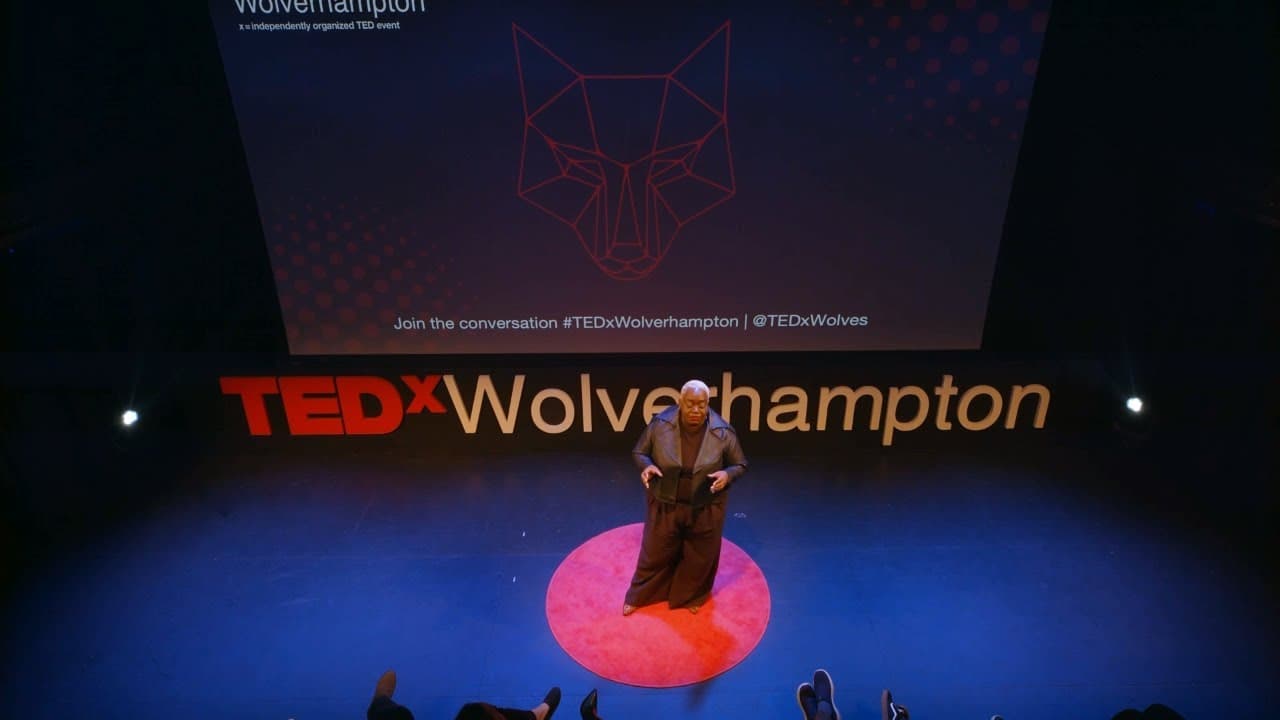
Black & Working-Class: Where’s the Representation? | Nysha Chantel Givans | TEDxWolverhampton
TL;DR
The speaker shares their academic conference experiences while addressing racial representation and systemic barriers in academia.
Transcript
[Applause] Okay. So, picture it. It's uh 2023 around December. A month previously, I bombed at my first academic conference. I'm not liking the feeling because failure is not in my makeup. Um I'm deep in my Twitter and networking bag and I'm thinking what can I do? So I start applying for various opportunities. Um and then I decide I'm going to go ... Read More
Key Insights
- ❓ Navigating the academic landscape can involve feelings of excitement and imposter syndrome, particularly after initial setbacks at conferences.
- 🖤 The lack of representation for black working-class women in academia highlights broader systemic issues, prompting a call for their inclusion in educational discourse.
- 🫒 Acknowledging racial identity and its impact on lived experiences is crucial for meaningful discussions and progress within academic settings.
- 😀 Historically marginalized groups often face heightened challenges, with structural inequalities persisting despite broader societal efforts toward inclusivity.
- 💦 The power of reclaiming narratives is evident through historical figures who have represented marginalized voices in their works, transforming their stories into powerful educational tools.
- 👾 Academic spaces must actively promote diverse perspectives, pushing back against biases that exclude marginalized voices and experiences.
- 🐎 Engaging in uncomfortable conversations around race is essential for personal growth and fostering a deeper understanding of systemic inequalities.
Install to Summarize YouTube Videos and Get Transcripts
Explore YouTube Video Summarizer or Get YouTube Transcript Extractor
Questions & Answers
Q: What motivated you to apply for so many conferences after your initial failure?
After my setback at the academic conference, I realized that networking and seeking opportunities were essential for my growth. I felt a strong desire to prove myself and was determined not to let failure define my journey. The excitement of receiving acceptance emails fueled my motivation, pushing me to embrace every opportunity to present my research across various locations.
Q: How do you feel your presentations were received in predominantly white spaces?
Presenting in predominantly white environments made me acutely aware of my identity as a black woman in academia. While I aimed to deliver valuable insights on important topics, I often encountered insincere responses regarding issues like afro hair discrimination. This experience highlighted the necessity for greater understanding and engagement from policy makers who rarely face these issues themselves.
Q: What do you believe is the significance of representation in academia?
Representation is crucial because it shapes the narratives and experiences that are recognized and celebrated within educational settings. When diverse voices are absent, systemic barriers are reinforced, and the needs and perspectives of marginalized groups are overlooked. My own journey has shown me that having role models and representation can inspire others to pursue their ambitions in academia.
Q: How do you suggest academia address the disparities faced by marginalized groups?
To rectify disparities, institutions must actively challenge biases in mentorship and recruitment processes. Increasing visibility for marginalized groups and ensuring their voices are included in decision-making is vital. It's also important to foster supportive communities that empower all researchers and encourage them to advocate for change within their institutions.
Q: Can you explain why it is important to confront discomfort when discussing race?
Confronting discomfort is essential because it allows individuals to reflect on their biases and learn from them. Engaging with difficult conversations about race can facilitate growth and understanding. Instead of shying away from these discussions, acknowledging and sitting with discomfort can lead to meaningful change and increased awareness of systemic inequalities.
Q: How has your understanding of education evolved throughout your career?
My understanding of education has deepened as I've grappled with the inequalities faced by marginalized groups. I've witnessed firsthand how access and support can transform lives, but I've also come to recognize the systemic barriers that persist. This dual perspective drives my passion for advocating for equitable educational practices and the importance of inclusive narratives.
Q: Why did you refer to your experiences as a "conference tour"?
I dubbed it a "conference tour" to reflect the whirlwind of travel and presentations I undertook, akin to a music tour. It encapsulates both the excitement and exhaustion of my journey through academia. Despite the challenges, the metaphor also celebrates the unique experiences of sharing my research and engaging with diverse audiences across multiple cities.
Q: What impact did Bell Hooks and other authors have on your identity and work?
Bell Hooks and other influential authors have profoundly shaped my understanding of race, identity, and empowerment. Their works opened my eyes to the importance of reclaiming narratives that have historically been marginalized. They have inspired me to embrace my identity as a black working-class woman and strive to honor the voices of others who share similar experiences in my academic work.
Summary & Key Takeaways
-
The speaker discusses their experiences at multiple academic conferences after initially facing failure, highlighting feelings of excitement and imposter syndrome. They present various aspects of their research and reflect on their role in academia.
-
The speaker emphasizes the lack of representation of black working-class women in academic spaces, stressing the importance of their voices in education and the impact of systemic discrimination on marginalized groups.
-
They call for change in academic institutions, advocating for the need to challenge biases, promote mentorship, and build supportive communities for all marginalized groups, encouraging allies to reflect on their discomfort regarding conversations around race.
Read in Other Languages (beta)
Share This Summary 📚
Summarize YouTube Videos and Get Video Transcripts with 1-Click
Try YouTube Summary with ChatGPT & Claude or YouTube Transcript Generator
Explore More Summaries from TEDx Talks 📚
Summarize YouTube Videos and Get Video Transcripts with 1-Click
Try YouTube Summary with ChatGPT & Claude or YouTube Transcript Generator