The Axis of Autocracies BIG Plan for the Global South
TL;DR
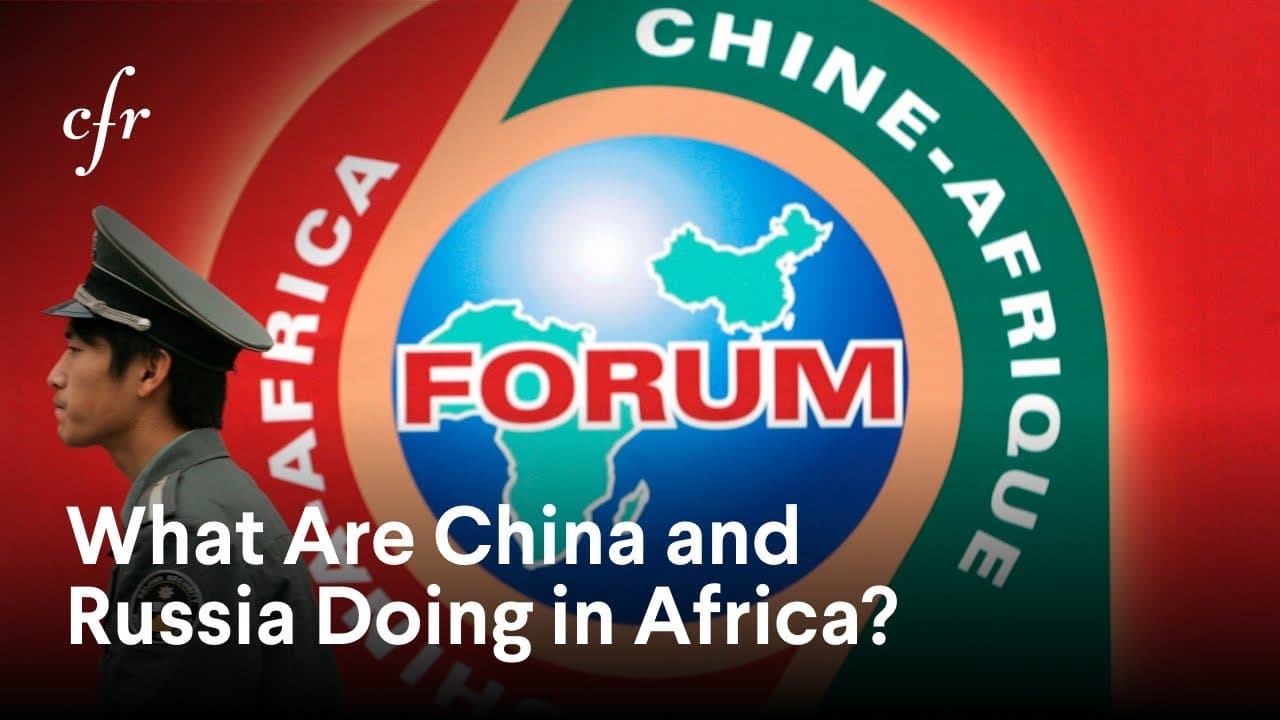
Axis of Autocracies seeks to undermine U.S. influence globally.
Transcript
TREVELYAN: Hello, everybody. Welcome to this afternoon’s Council on Foreign Relations Hauser Symposium. It’s entitled “The Axis of Autocracies and the Global South.” My name is Laura Trevelyan. I’m a journalist. I’m the new chancellor of Cardiff University in the U.K. And I would like to introduce you to our distinguished panelists. We have Tan... Read More
Key Insights
- BRICS and the Shanghai Cooperation Organization are key platforms used by the Axis of Autocracies to challenge U.S. global interests and promote alternative governance models.
- The Trump administration's foreign policy approach has led to shifts in global alliances, with countries like India and Brazil reassessing their diplomatic strategies.
- The Axis of Autocracies targets global swing states such as Brazil, India, and South Africa to expand their influence and counterbalance U.S. power.
- China's Belt and Road Initiative and its strategic investments in Africa and the Middle East are part of a broader strategy to build influence in the Global South.
- Countries like India are wary of becoming overly reliant on China and are seeking to diversify their international partnerships and economic dependencies.
- The potential de-dollarization efforts by BRICS countries reflect a desire to reduce reliance on the U.S. dollar and create alternative financial systems.
- The U.S.'s retreat from traditional soft power avenues, like foreign aid, opens opportunities for countries in Africa to exercise greater autonomy.
- Middle Eastern countries, particularly the Gulf states, are playing increasingly significant roles in global geopolitics, leveraging their financial resources and strategic locations.
Install to Summarize YouTube Videos and Get Transcripts
Explore YouTube Video Summarizer or Get YouTube Transcript Extractor
Questions & Answers
Q: How does the Axis of Autocracies seek to undermine U.S. global interests?
The Axis of Autocracies aims to weaken U.S. influence by engaging with the Global South through platforms like BRICS and the Shanghai Cooperation Organization. They promote alternative governance models and challenge the dominance of the U.S. dollar by encouraging the use of local currencies in trade and financial transactions.
Q: What impact has the Trump administration's foreign policy had on global alliances?
The Trump administration's policies have led to shifts in global alliances, prompting countries like India and Brazil to reassess their diplomatic strategies. The U.S.'s potential withdrawal from the U.N. and changes in foreign aid have created opportunities for nations in Africa and the Middle East to exercise greater autonomy and explore diverse partnerships.
Q: How is China leveraging the Belt and Road Initiative in the Global South?
China uses the Belt and Road Initiative to increase its influence by investing in infrastructure projects across Africa and the Middle East. These investments often come with fewer political conditions than Western aid, making them attractive to local governments. This strategy helps China build strategic partnerships and promote its economic model.
Q: What is the significance of BRICS countries' efforts towards de-dollarization?
BRICS countries are exploring ways to reduce reliance on the U.S. dollar by conducting trade in local currencies. This effort is partly driven by a desire to insulate themselves from U.S. sanctions and to create a more multipolar financial system. However, internal differences, such as India's reluctance to adopt a BRICS currency, present challenges.
Q: How are Middle Eastern countries influencing global geopolitics?
Middle Eastern countries, particularly Gulf states, are leveraging their financial resources and strategic locations to play significant roles in global geopolitics. They invest in infrastructure projects in Africa, participate in peace negotiations, and diversify their economic partnerships, thus increasing their influence in regional and global affairs.
Q: What role does Africa play in the strategies of the Axis of Autocracies?
Africa is a key target for the Axis of Autocracies due to its strategic importance and resource potential. Countries like China and Russia engage with African nations through investment and security arrangements, often bypassing Western-style conditionalities. This approach allows them to build influence and promote alternative governance models.
Q: How does India view its participation in BRICS amid its relations with China?
India values BRICS for providing a platform to engage with other developing countries but is cautious about China's influence within the group. India is concerned about BRICS becoming an anti-Western bloc and is wary of any initiatives that could increase its economic dependence on China, such as a BRICS currency.
Q: What are the potential consequences of the U.S. retreating from traditional soft power avenues like foreign aid?
The U.S.'s retreat from traditional soft power avenues, such as foreign aid, opens opportunities for African countries to exercise greater autonomy and develop local solutions. However, it also creates a vacuum that other powers, like China and Russia, are eager to fill, potentially altering the geopolitical landscape in their favor.
Summary & Key Takeaways
-
The Axis of Autocracies, consisting of countries like China, Russia, and Iran, is actively working to undermine U.S. influence by engaging the Global South and promoting alternative institutions such as BRICS. This effort is particularly focused on key swing states like Brazil, India, and South Africa.
-
The Trump administration's policies, including potential U.S. withdrawal from the United Nations and a shift in foreign aid strategies, have created a geopolitical environment where countries are reassessing their alliances and exploring diverse partnerships beyond traditional Western powers.
-
China's Belt and Road Initiative and the digital RMB are strategic tools in its effort to increase influence in the Global South, challenging the dominance of the U.S. dollar and promoting a multipolar world order. Countries in the Middle East and Africa are key targets in this strategy.
Read in Other Languages (beta)
Share This Summary 📚
Summarize YouTube Videos and Get Video Transcripts with 1-Click
Try YouTube Summary with ChatGPT & Claude or YouTube Transcript Generator
Explore More Summaries from Council on Foreign Relations 📚
Summarize YouTube Videos and Get Video Transcripts with 1-Click
Try YouTube Summary with ChatGPT & Claude or YouTube Transcript Generator