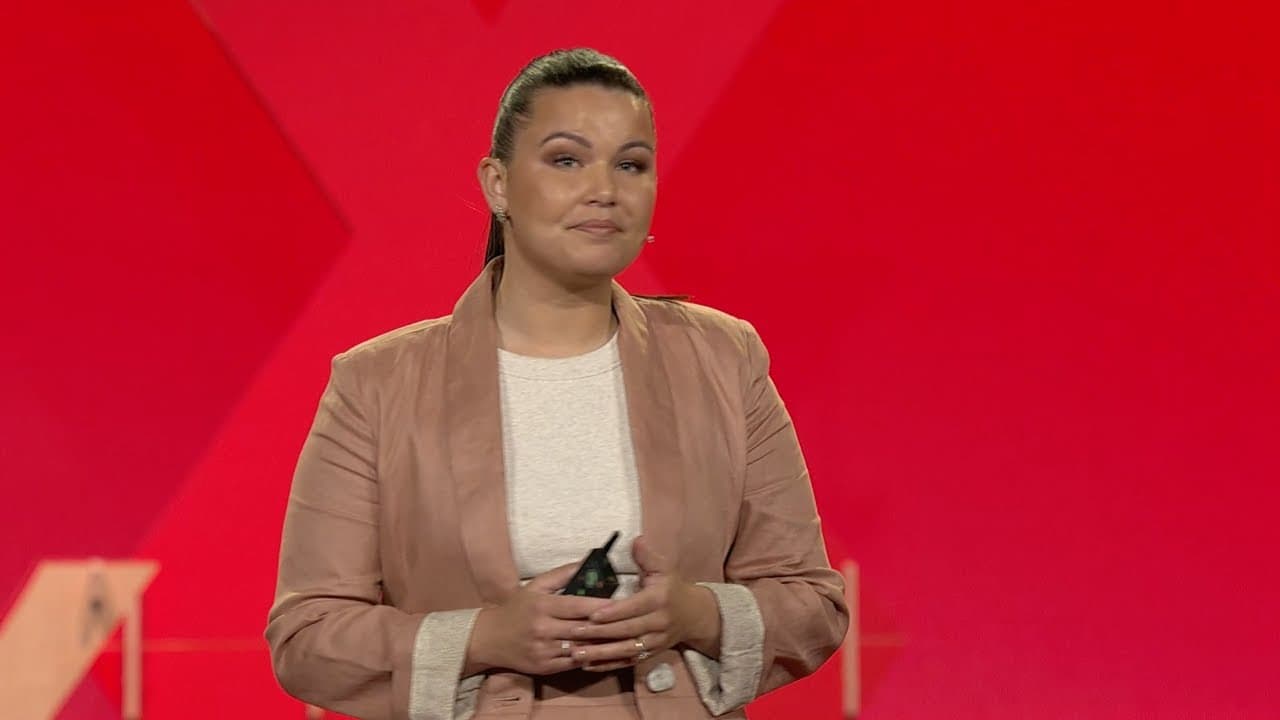
A state is not a parent: Why the child welfare system fails | Vanessa Turnbull-Roberts | TEDxSydney
TL;DR
Surviving the flawed child removal system, advocating for abolition to prioritize community support and love.
Transcript
dinga everybody before I begin I'd just like to acknowledge the traditional custodians of these lands and I'd like to pay my respect to our elders past present and future prior to the stories you may have heard today and the performances we need to acknowledge that there are thousands of other stories that exist on this sacred country and what a pr... Read More
Key Insights
- 👪 Family policing disproportionately impacts First Nations children, perpetuating trauma and systemic injustices.
- 👪 Abolishing family policing entails shifting the focus towards community support and structural changes.
- 👪 The current child welfare system overlooks the needs of families and fails to provide holistic support.
- 🥰 Vanessa's advocacy for abolition emphasizes the importance of love, humanity, and community-driven solutions.
- 👪 Structural changes are needed to empower communities, provide direct support to families, and prevent unnecessary child removal.
- 👶 Personal stories like Vanessa's highlight the emotional and societal impact of flawed child welfare policies.
- 🥺 Prioritizing relationships, community engagement, and prevention can lead to more effective and compassionate solutions.
Install to Summarize YouTube Videos and Get Transcripts
Explore YouTube Video Summarizer or Get YouTube Transcript Extractor
Questions & Answers
Q: What personal experience does Vanessa share regarding child removal?
Vanessa recounts being forcibly removed from her family at age 10. The traumatic experience of being taken away from her father at night highlights the emotional toll of the flawed system.
Q: What is family policing, and why does Vanessa advocate for its abolition?
Family policing refers to the system that removes children from their families, disproportionately affecting First Nations children. Vanessa advocates for abolition to prioritize community support over the harmful practices of child removal.
Q: How does Vanessa propose transforming the current child welfare system?
Vanessa proposes reimagination and transformation by focusing on community-based solutions. She suggests structural changes that empower communities and provide direct support to families in need, instead of relying on punitive measures.
Q: What personal tragedy does Vanessa share related to her parents and the failures of the system?
Vanessa tragically lost both her parents due to the inadequacies of the health and social welfare system. Her mother's call for help went unanswered, reflecting the systemic failures in providing support and protection to families.
Summary & Key Takeaways
-
Vanessa shares her personal experience as a survivor of forced removal from her family at a young age.
-
She highlights the disproportionate impact of child removal on First Nations children and the flaws in the current child welfare system.
-
Vanessa advocates for abolition of family policing, emphasizing the need for community support and structural changes.
Read in Other Languages (beta)
Share This Summary 📚
Summarize YouTube Videos and Get Video Transcripts with 1-Click
Try YouTube Summary with ChatGPT & Claude or YouTube Transcript Generator
Explore More Summaries from TEDx Talks 📚




Summarize YouTube Videos and Get Video Transcripts with 1-Click
Try YouTube Summary with ChatGPT & Claude or YouTube Transcript Generator