How to Turn a High School into Rental Apartments
TL;DR
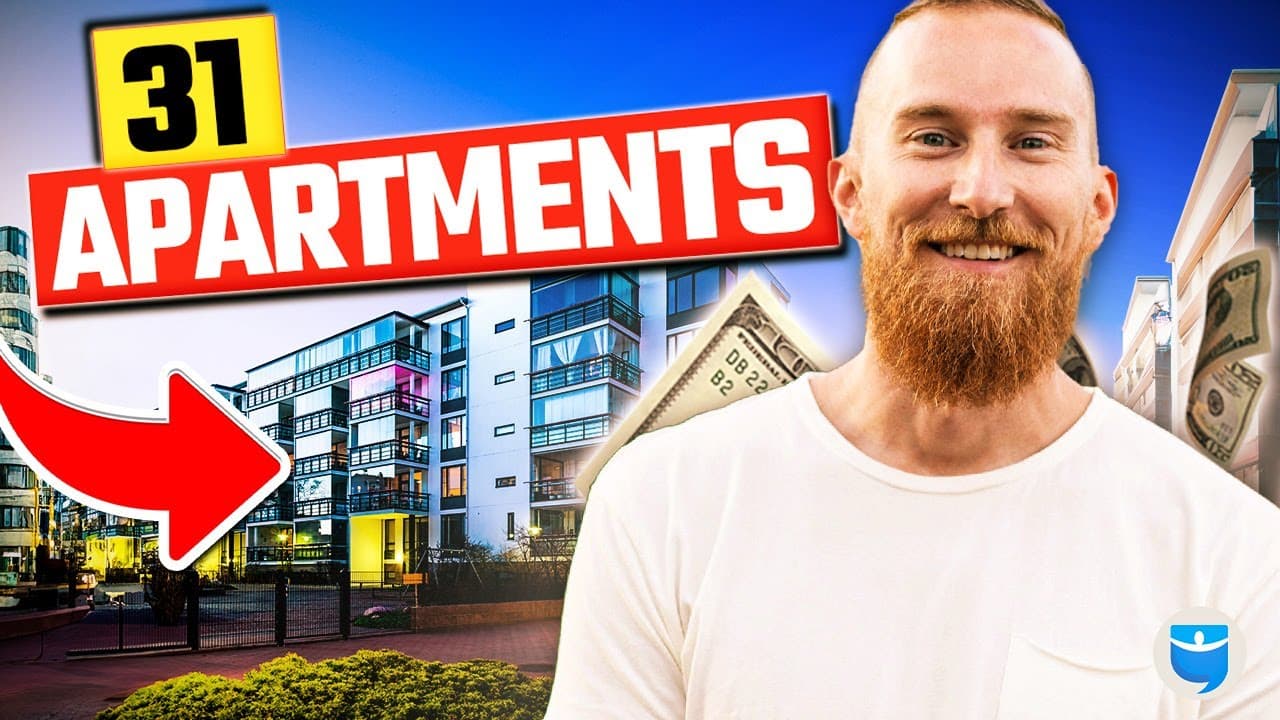
Jesse Wig transformed a $100K high school into a 31-unit apartment complex, generating $42K monthly cash flow. Initially facing a $43K loss on his first flip, Jesse learned to increase property values by setting his own comps in a revitalizing Pittsburgh neighborhood. His strategic approach and partnerships led to this unique and profitable real estate venture.
Transcript
this is the Bigger Pockets podcast show 776. I think it's important to say when you buy a high school the very first thing that you need to do is go buy some go-karts and a mini bike and rip around the school on the go-karts and mini bikes with your friends perhaps the best advice to ever give it on Bigger Pockets yeah yeah yeah if there's anything... Read More
Key Insights
- Jesse Wig turned a $100K high school into a 31-unit apartment complex.
- The property generates approximately $42K in monthly cash flow.
- Jesse initially lost $43K on his first real estate flip.
- He learned to increase property values by setting his own comps.
- Jesse focused on revitalizing a neighborhood in Pittsburgh.
- He partnered with others to overcome financial and logistical challenges.
- The project benefited from historical tax credits worth $750K.
- Jesse's approach involves creative strategies and community involvement.
Install to Summarize YouTube Videos and Get Transcripts
Explore YouTube Video Summarizer or Get YouTube Transcript Extractor
Questions & Answers
Q: How did Jesse Wig transform a high school into rental apartments?
Jesse Wig purchased a $100K high school and converted it into a 31-unit apartment complex. By partnering with experienced individuals and leveraging historical tax credits, he overcame financial and logistical challenges to create a profitable rental property generating $42K in monthly cash flow.
Q: What challenges did Jesse face with his first real estate deal?
Jesse faced significant challenges with his first real estate deal, resulting in a $43K loss. He overpaid, under-budgeted, and lacked experience in calculating necessary costs such as property taxes and interest payments. Despite this setback, he learned valuable lessons that helped him succeed in future projects.
Q: How did Jesse increase property values in his neighborhood?
Jesse increased property values by setting his own comps through strategic renovations and sales. He bought multiple properties in the same area, renovated them, and sold one at a higher price to create a comp. This approach increased the value of his remaining properties, boosting his net worth significantly.
Q: What role did partnerships play in Jesse's success?
Partnerships were crucial to Jesse's success, especially in converting the high school into apartments. He partnered with experienced individuals who provided financial and logistical support, helping him navigate the complexities of large-scale real estate projects and ultimately achieve his investment goals.
Q: How did historical tax credits benefit Jesse's project?
Historical tax credits significantly benefited Jesse's project by providing financial incentives for preserving the high school's original character. These credits, amounting to $750K, reduced the project's overall cost and increased its profitability, demonstrating the value of leveraging available tax benefits in real estate development.
Q: What lessons did Jesse learn from his real estate experiences?
Jesse learned the importance of having multiple exit strategies, understanding property valuation, and leveraging partnerships. His experiences taught him to mitigate risks, analyze deals thoroughly, and focus on long-term goals. These lessons were instrumental in transforming his initial failures into successful real estate ventures.
Q: How did Jesse's strategy impact the local community?
Jesse's strategy positively impacted the local community by revitalizing a Pittsburgh neighborhood. By setting new comps and increasing property values, he attracted investment and development, contributing to the area's economic growth and improving the quality of life for residents.
Q: What advice does Jesse offer to aspiring real estate investors?
Jesse advises aspiring real estate investors to take action and learn from their experiences. He emphasizes the importance of persistence, creativity, and community involvement in real estate success. By staying informed and leveraging available resources, investors can overcome challenges and achieve their investment goals.
Summary & Key Takeaways
-
Jesse Wig transformed a $100K high school into a lucrative 31-unit apartment complex, generating $42K in monthly cash flow. Initially, he faced a $43K loss on his first real estate flip, but he learned to set his own comps and increase property values in a Pittsburgh neighborhood. His strategic approach and partnerships led to this unique and profitable venture.
-
By focusing on revitalizing a neighborhood and leveraging historical tax credits, Jesse created a successful real estate project. He partnered with others to overcome financial and logistical challenges, demonstrating the importance of creative strategies and community involvement in real estate investing.
-
Jesse's journey from a failed flip to a successful high school conversion highlights the value of persistence and learning from mistakes. His innovative approach to setting comps and increasing property values has significantly impacted his personal wealth and the neighborhood's development.
Read in Other Languages (beta)
Share This Summary 📚
Summarize YouTube Videos and Get Video Transcripts with 1-Click
Try YouTube Summary with ChatGPT & Claude or YouTube Transcript Generator
Explore More Summaries from BiggerPockets 📚



Summarize YouTube Videos and Get Video Transcripts with 1-Click
Try YouTube Summary with ChatGPT & Claude or YouTube Transcript Generator