Maximize Dynamic Range with your Fujifilm Camera
TL;DR
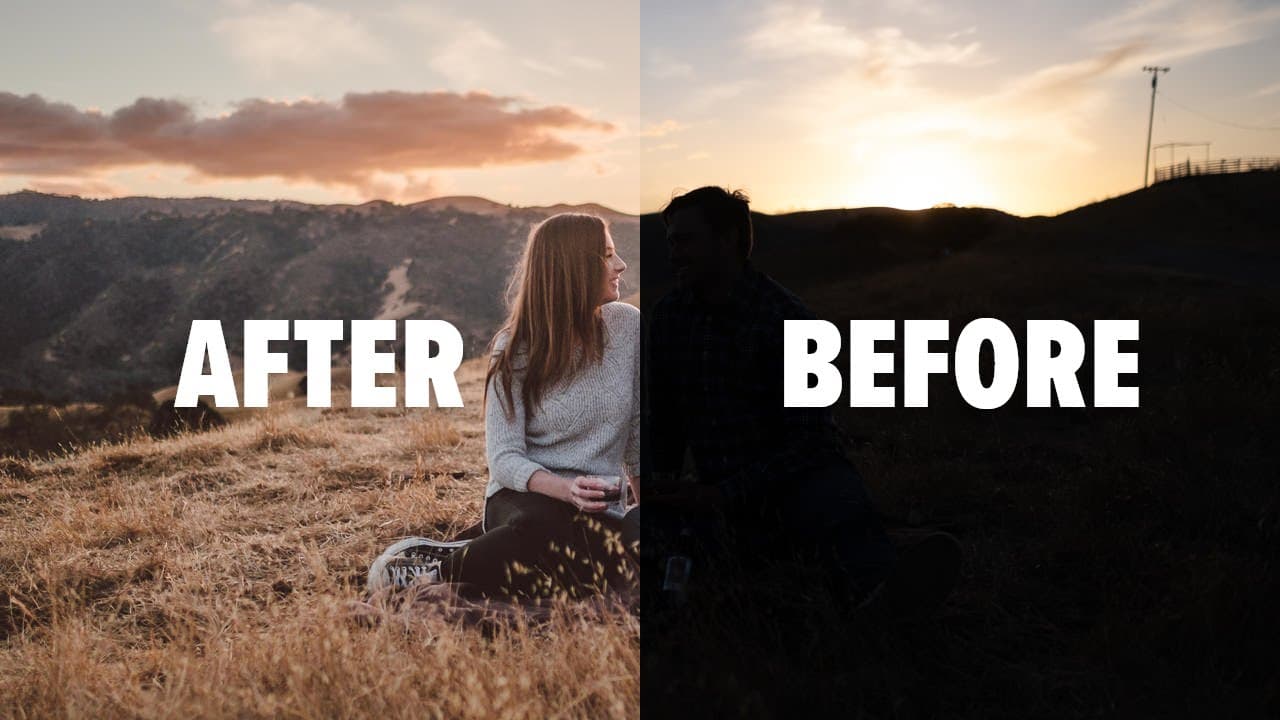
Learn how to maximize dynamic range in a single raw exposure for stunning edits.
Transcript
so you want to get the most amount of dynamic range from a single raw exposure just shooting with your crop sensor fujifilm camera what's up everyone reggieb photo here and welcome back to the channel so for those of you who are new my name is rodrigos and i'm a wedding photographer and fujifilm ex photographer from the san francisco bay area and i... Read More
Key Insights
- 💀 Capturing a wide dynamic range involves preparing during the shooting phase by using raw formats and appropriate ISO settings.
- 📷 Avoiding highlight and shadow clipping by managing exposure can significantly improve the editability of photos.
- 👻 Utilizing tools in Lightroom, such as graduated filters and the HSL panel, allows for detailed adjustments and refinements in editing.
- 😥 Presets can serve as a starting point for photographers, streamlining the editing process while ensuring a consistent style.
- 🥌 The importance of skin tone adjustments cannot be understated in portrait photography for achieving natural results.
- 🎙️ Managing noise and sharpening technique for crop sensor cameras is essential for maintaining image quality.
- 🥃 Graduated filters offer versatile capabilities to enhance skies while protecting subjects from unwanted exposure changes.
Install to Summarize YouTube Videos and Get Transcripts
Explore YouTube Video Summarizer or Get YouTube Transcript Extractor
Questions & Answers
Q: Why is shooting in RAW important for dynamic range?
Shooting in RAW is crucial because it preserves the maximum amount of data from the camera's sensor compared to JPEG. This format allows for greater flexibility in exposure adjustments during post-processing, enabling photographers to recover details in both shadows and highlights, ultimately enhancing the dynamic range of the final image.
Q: How does the camera's base ISO affect image quality and dynamic range?
The base ISO of a camera determines the amount of noise and dynamic range available in photos. Shooting at the native base ISO typically provides the cleanest files with the least amount of noise, allowing for more detail recovery in post-processing, especially important in high-contrast lighting conditions.
Q: What is the significance of monitoring the histogram while shooting?
Monitoring the histogram is vital as it helps photographers visualize the tonal distribution of an image. It ensures that highlights and shadows are captured without clipping, which means that no important data is lost. A balanced histogram shows that the photo has a good range of tones, enabling better editing options later.
Q: Can the techniques discussed be applied to cameras other than Fujifilm?
Absolutely! The techniques highlighted for maximizing dynamic range and post-processing are applicable across different camera brands including Sony, Canon, and Nikon. The principles of shooting in RAW, using appropriate ISO settings, and understanding histogram functionalities are universal to digital photography.
Summary & Key Takeaways
-
This content teaches photographers how to capture and edit images for maximum dynamic range using Fujifilm cameras, especially in high-contrast scenes like sunsets.
-
Key tips include shooting in raw format, using the camera's base ISO, and carefully monitoring histogram levels to avoid highlight and shadow clipping.
-
The video details a step-by-step Lightroom editing process to enhance colors and details, particularly for skin tones and sunset elements, employing various tools like graduated filters.
Read in Other Languages (beta)
Share This Summary 📚
Summarize YouTube Videos and Get Video Transcripts with 1-Click
Try YouTube Summary with ChatGPT & Claude or YouTube Transcript Generator
Explore More Summaries from Reggie Ballesteros 📚




Summarize YouTube Videos and Get Video Transcripts with 1-Click
Try YouTube Summary with ChatGPT & Claude or YouTube Transcript Generator