Endometriosis | Causes, Pathophysiology, Symptoms, Diagnosis & Treatment
TL;DR
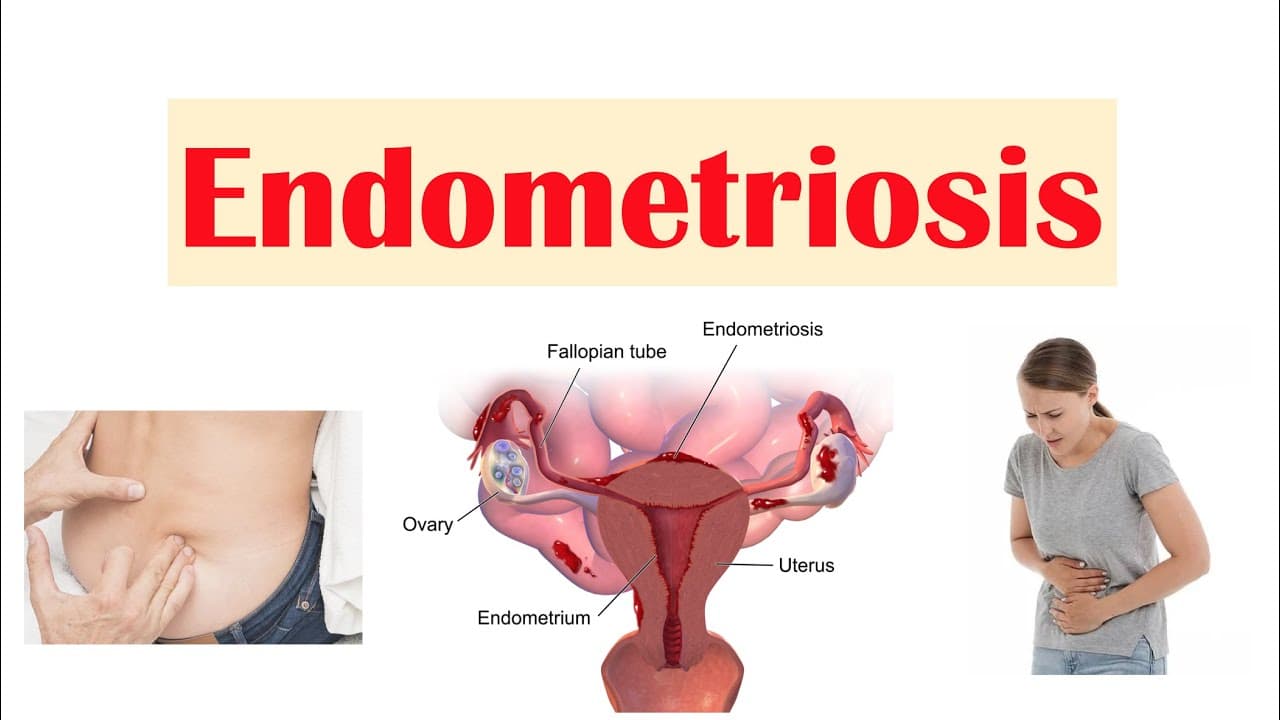
Endometriosis is a gynecological condition where endometrial tissue grows outside the uterus, causing pain and potential fertility issues.
Transcript
hey everyone this lesson is on endometriosis so we're going to talk about what endometriosis is we're also going to talk about some of these signs and symptoms how it's diagnosed and how it's treated so what is endometriosis so endometriosis is a gynecological condition involving the presence of endometrial tissue or endometrial mucosal cells in ab... Read More
Key Insights
- 😡 Endometriosis is a condition where endometrial tissue grows outside the uterus, affecting around 10 to 15 percent of reproductive-aged females.
- 🤢 The abnormal location of endometrial tissue can lead to pelvic pain, dysmenorrhea, dyspareunia, heavy or irregular bleeding, constipation-like symptoms, bloating, nausea, and vomiting.
- 📌 Diagnosis often requires laparoscopy to visually inspect the locations of endometrial cells, and histology can confirm the presence of endometrial tissue.
Install to Summarize YouTube Videos and Get Transcripts
Explore YouTube Video Summarizer or Get YouTube Transcript Extractor
Questions & Answers
Q: What causes endometriosis?
Endometriosis is believed to occur when endometrial cells travel to other areas of the body, such as the pelvis, fallopian tubes, ovaries, rectosigmoid colon, bladder, and distal ureters during menstruation.
Q: How does endometriosis affect fertility?
Endometriosis can cause impaired fertility in 30 to 40 percent of patients. The abnormal location of endometrial tissue can lead to blockages in the fallopian tubes, inflammation, and changes in the pelvic environment, making it difficult for fertilization and implantation to occur.
Q: How is endometriosis diagnosed?
Diagnosis often involves laparoscopy, a surgical procedure where the abdomen is opened to visually inspect the locations of endometrial cells. Histology can be performed to confirm the presence of endometrial tissue.
Q: What are the treatment options for endometriosis?
Treatment options include combined oral contraceptive pills to regulate the menstrual cycle, danazol, gonadotropin-releasing hormone analogs to suppress hormone fluctuations, and surgical removal of endometrial tissue from affected areas.
Key Insights:
- Endometriosis is a condition where endometrial tissue grows outside the uterus, affecting around 10 to 15 percent of reproductive-aged females.
- The abnormal location of endometrial tissue can lead to pelvic pain, dysmenorrhea, dyspareunia, heavy or irregular bleeding, constipation-like symptoms, bloating, nausea, and vomiting.
- Diagnosis often requires laparoscopy to visually inspect the locations of endometrial cells, and histology can confirm the presence of endometrial tissue.
- Treatment options include hormonal contraceptives, danazol, gonadotropin-releasing hormone analogs, and, in some cases, surgery to remove the endometrial tissue.
Summary & Key Takeaways
-
Endometriosis is a condition where endometrial tissue grows outside the uterus when it should be in the uterine lining.
-
It affects around 10 to 15 percent of reproductive-aged females and can lead to pain and impaired fertility.
-
Symptoms of endometriosis include pelvic pain, dysmenorrhea, dyspareunia, heavy or irregular bleeding, constipation-like symptoms, bloating, nausea, and vomiting.
Read in Other Languages (beta)
Share This Summary 📚
Summarize YouTube Videos and Get Video Transcripts with 1-Click
Try YouTube Summary with ChatGPT & Claude or YouTube Transcript Generator
Explore More Summaries from JJ Medicine 📚


Summarize YouTube Videos and Get Video Transcripts with 1-Click
Try YouTube Summary with ChatGPT & Claude or YouTube Transcript Generator