Study LESS, Study SMART – What I Wish I Knew in College
TL;DR
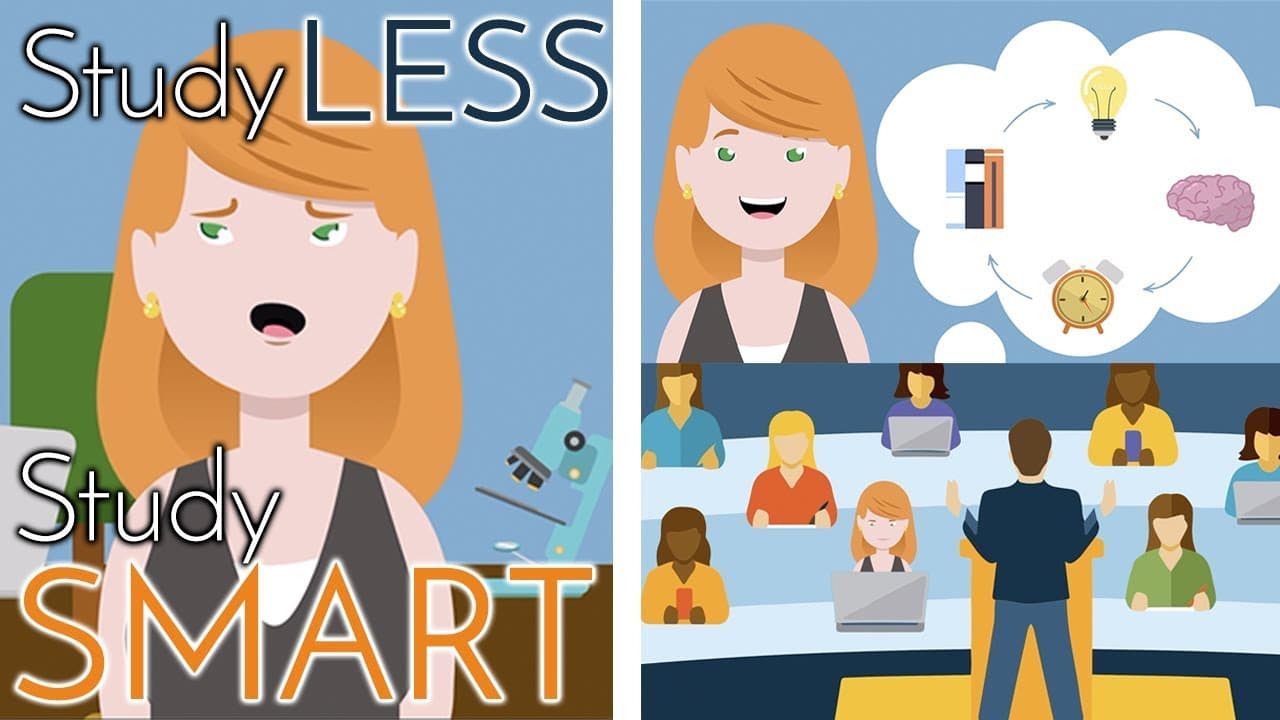
Learn how to study more effectively to retain more information, earn better grades, and have more free time.
Transcript
I would bet that you are not studying anywhere nearly as effectively as you could be. And why should you care? Well, if you study more effectively, you can learn more and retain more in less time. That translates to less time studying, better grades, and more time doing the things you actually enjoy. In this video, we’ll cover all of the study hack... Read More
Key Insights
- 💁 Active learning, which involves identifying important information, organizing it, memorizing it, and applying it, is more effective than passive learning.
- 🕴️ Choosing a studying environment that minimizes distractions and suits your preferences is crucial for productivity.
- 🥺 Taking active notes, summarizing information, and avoiding passive reviewing of lectures or textbooks leads to better retention and recall.
- 👾 Methods like summary sheets and spaced repetition flashcards aid in memorization and improve recall during exams.
- ⚖️ Finding a balance between routine and novel stimuli can enhance productivity and prevent procrastination.
- 🍳 The Pomodoro Technique, using 25-minute focused study blocks and short breaks, helps improve focus and maintain endurance.
- 🤯 Attend lectures in person or watch recordings based on personal preferences, keeping engagement and focus in mind.
Install to Summarize YouTube Videos and Get Transcripts
Explore YouTube Video Summarizer or Get YouTube Transcript Extractor
Questions & Answers
Q: What is the difference between passive learning and active learning?
Passive learning is the default studying pattern that requires less effort, while active learning is more challenging but ultimately more effective. Active learning involves identifying important information, organizing it in a way that you understand, memorizing it actively, and applying it through practice questions.
Q: How can I create a productive studying environment?
Finding a location that minimizes distractions is important, whether it's a coffee shop, library, or home. Decide whether you prefer studying alone or in small groups, and consider the benefits of teaching others what you've learned. Some students benefit from routine and familiarity, while others benefit from studying in new locations for improved recall and retention.
Q: Is it better to attend lectures in person or watch recordings?
There are advantages to both options. Attending lectures in person provides a set routine and the opportunity to ask questions in real time, while watching recordings offers flexibility and the ability to watch at increased speeds. Choose the option that keeps you engaged and focused, whether it's attending lectures or watching recordings.
Q: What are the most effective methods for memorization?
Summarizing information into condensed notes or summary sheets helps reinforce the material and provides a condensed study resource. Spaced repetition with flashcards, using software like Anki, helps improve recall by reviewing information right before you're about to forget it. By making your own flashcards, you actively engage in the learning process.
Key Insights:
- Active learning, which involves identifying important information, organizing it, memorizing it, and applying it, is more effective than passive learning.
- Choosing a studying environment that minimizes distractions and suits your preferences is crucial for productivity.
- Taking active notes, summarizing information, and avoiding passive reviewing of lectures or textbooks leads to better retention and recall.
- Methods like summary sheets and spaced repetition flashcards aid in memorization and improve recall during exams.
- Finding a balance between routine and novel stimuli can enhance productivity and prevent procrastination.
- The Pomodoro Technique, using 25-minute focused study blocks and short breaks, helps improve focus and maintain endurance.
- Attend lectures in person or watch recordings based on personal preferences, keeping engagement and focus in mind.
- Teaching others what you've learned reinforces the material for yourself and helps classmates, while group study offers support and motivation.
Summary & Key Takeaways
-
Active learning is more effective than passive learning. To implement active learning, identify important information, synthesize it in your own words, and create study aids like charts and tables.
-
Choose a studying environment that works best for you, whether it's a coffee shop, library, or home. Consider studying alone or in small groups to reinforce difficult concepts and teach others.
-
Obtain information through lectures or textbooks. Take active notes by summarizing the information and avoid rewatching lectures or rereading textbooks passively.
-
Memorize information using methods like summary sheets and spaced repetition flashcards.
Read in Other Languages (beta)
Share This Summary 📚
Summarize YouTube Videos and Get Video Transcripts with 1-Click
Try YouTube Summary with ChatGPT & Claude or YouTube Transcript Generator
Explore More Summaries from Med School Insiders 📚

Summarize YouTube Videos and Get Video Transcripts with 1-Click
Try YouTube Summary with ChatGPT & Claude or YouTube Transcript Generator