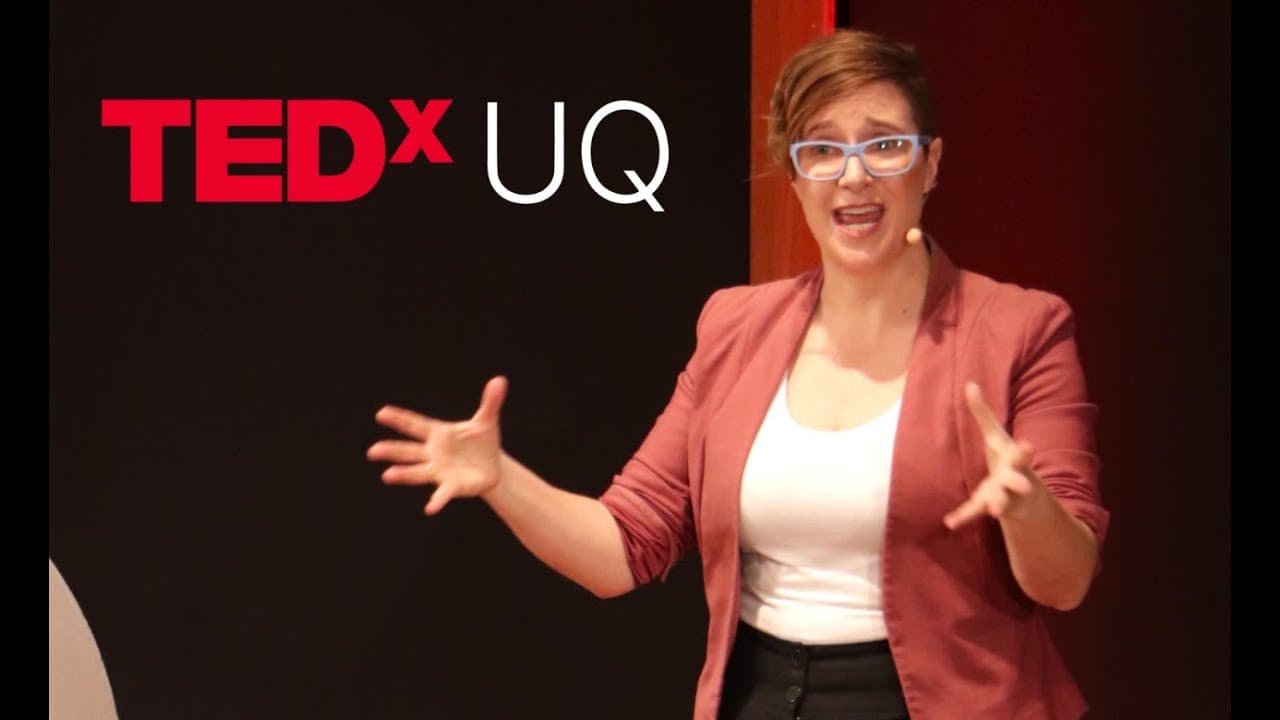
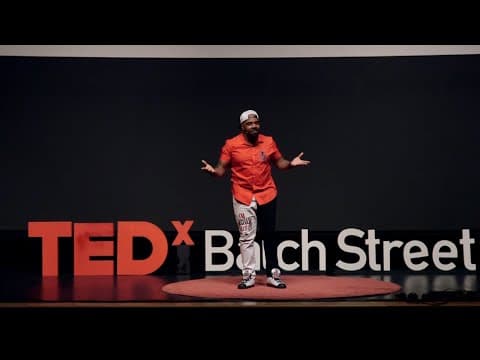
How universities can make a real difference in their communities | Lauren Ball | TEDxUQ
TL;DR
Academics should prioritize community involvement for impactful research and collaboration.
Transcript
[Applause] [Applause] what is the purpose of a University academic is it to teach students is it to conduct research studies is it to have big farfetched ideas or is it to sit in the coffee shop all day I am a University academic here at the University of Queensland and I do all of these things but I do it physically in the community with which I w... Read More
Key Insights
- 🪡 The "communiversity" approach signifies a shift in academic engagement, focusing on real community needs over traditional academic pursuits.
- 🥺 Community-driven research prioritizes voices and perspectives from local members, leading to more relevant findings and initiatives.
- ❓ The physical presence of academics within a community fosters trust, facilitating deeper engagement and collaboration with local stakeholders.
- 🧑⚕️ Projects that stem from community feedback, such as health initiatives or urban planning, create impactful solutions tailored to local contexts.
- 🎓 Academics are encouraged to adopt empathetic engagement methods, valuing personal connections to overcome barriers between the university and the community.
- 📽️ The success of communiversity projects relies heavily on ongoing communication and collaboration between academic institutions and local organizations.
- 🙏 Building emotional intelligence and interpersonal skills is essential for academics who wish to effectively address community challenges.
Install to Summarize YouTube Videos and Get Transcripts
Explore YouTube Video Summarizer or Get YouTube Transcript Extractor
Questions & Answers
Q: What is a "communiversity" and why is it important?
A "communiversity" refers to a model where academics engage directly with the community, merging educational goals with local needs. This approach facilitates relevant research that addresses community priorities, allowing for effective collaboration and real-world impact. The essence of a communiversity is in fostering relationships that inform both teaching and research, making universities more responsive to societal challenges.
Q: Can you provide examples of community feedback shaping academic projects in Springfield?
In Springfield, feedback from community members led to a variety of health initiatives. For example, concerns about family violence prompted collaborative efforts to improve risk identification in childcare settings. Additionally, there was significant input on the infrastructure needed to support older adults, demonstrating the essential role of community voices in steering academic focus and projects.
Q: How does being physically present in the community enhance academic work?
A physical presence in the community allows academics to build trust and establish relationships with locals. This connection enables them to gather genuine insights about community needs and priorities. By being accessible, researchers can engage in ongoing conversations, which enrich their understanding and improve the relevance of their projects. The constant interaction leads to opportunities for collaboration and innovative solutions to complex issues.
Q: What role does empathy play in the success of community-academic collaborations?
Empathy is crucial in community-academic collaborations as it allows academics to truly understand the lives and struggles of community members. This understanding fosters respect and rapport, encouraging individuals to share their insights and concerns. When academics approach community engagement with an empathetic mindset, they build stronger relationships that lead to more meaningful and impactful research outcomes.
Q: What skills should future academics develop to succeed in a communiversity model?
Future academics need to prioritize interpersonal skills and emotional intelligence. Being able to navigate complex community dynamics, communicate effectively, and build relationships are essential for success in the communiversity model. Additionally, skills in project management and collaborative problem-solving are vital, as academics will often need to work with diverse groups to address local issues.
Q: How have some projects in Springfield addressed the issue of health navigation for residents?
One significant project addressed the community's desire for easy access to health resources by developing a mobile navigation app. This app empowers residents to find various local services, share their experiences with healthcare, and connect with support groups. This initiative not only improves health literacy but also strengthens community ties by providing a platform for sharing information and resources.
Q: What challenges do academics face when transitioning to a communiversity model?
Transitioning to a communiversity model can be challenging due to cultural shifts within academia. There may be resistance to moving away from traditional metrics of success, such as publication counts. Additionally, academics may struggle to balance their research agendas with community needs while managing time constraints. Proper support and recognition from university leaders are crucial for facilitating this transition.
Q: What is the potential impact of communiversities on future academic research?
Communiversities have the potential to reshape academic research by ensuring it is more relevant and beneficial to local communities. This model encourages researchers to develop projects that respond to real-world problems, ultimately leading to actionable insights and improvements in community well-being. Enhanced partnerships between academics and community members can lead to innovative solutions and increased societal engagement with education.
Summary & Key Takeaways
-
The concept of a "communiversity" emphasizes the importance of academics engaging directly with their local communities, fostering collaboration and impactful research projects.
-
Springfield, a rapidly growing city in Queensland, serves as a prime example of how community relationships can shape the priorities of health and well-being, leading to innovative solutions.
-
Successful projects originate from community needs rather than preconceived academic agendas, indicating that genuine engagement can enhance both learning and societal outcomes.
Read in Other Languages (beta)
Share This Summary 📚
Summarize YouTube Videos and Get Video Transcripts with 1-Click
Try YouTube Summary with ChatGPT & Claude or YouTube Transcript Generator
Explore More Summaries from TEDx Talks 📚


Summarize YouTube Videos and Get Video Transcripts with 1-Click
Try YouTube Summary with ChatGPT & Claude or YouTube Transcript Generator