Women in Biotech | Solutions and Strategies || Radcliffe Institute

TL;DR
This analysis highlights the need for cultural and organizational changes to address gender bias in the workplace.
Transcript
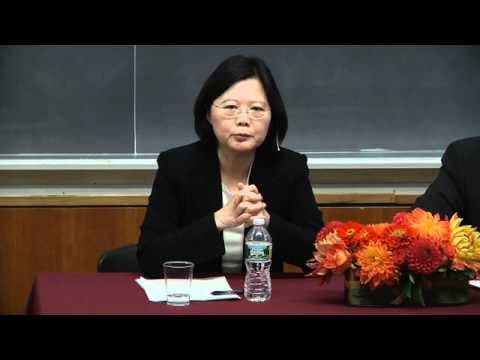
-Hello, everyone. Welcome back. I hope you had a good break. My name is Janet Rich-Edwards and I am one of the two science advisers to the Radcliffe Institute here. And I want to welcome you back for what was a great start to the program in a really interesting second panel now focused on solutions. I'm going to introduce Anula Jayasuriya, right? V... Read More
Key Insights
- 🕵️♀️ Gender bias in the workplace is a result of a cultural context that associates leadership with male traits and stereotypes women as communal and nurturing.
- 🥺 Organizational practices, such as performance evaluations and job postings, can inadvertently favor men, leading to gender disparities in advancement.
- ⚧️ Addressing gender bias requires cultural and organizational changes, including unconscious bias training and inclusive practices in recruitment and performance evaluations.
- 🧑🏭 The case of Harvard Business School highlights the importance of addressing cultural and organizational factors to promote gender equality.
Install to Summarize YouTube Videos and Get Transcripts
Explore YouTube Video Summarizer or Get YouTube Transcript Extractor
Questions & Answers
Q: What is the main barrier for women in the workplace?
The main barrier is the cultural context that associates leadership and success with male traits, creating a disconnect between women and leadership.
Q: How do organizational practices contribute to gender disparities?
Practices such as performance reviews, year-end evaluations, and job postings can unintentionally favor men over women, leading to gender disparities in advancement.
Q: How can organizations address gender bias?
Organizations can implement unconscious bias training, promote work-family accommodations, and focus on inclusive practices in recruitment, leadership development, and performance evaluations to address gender bias.
Q: What is the importance of addressing cultural and organizational factors in promoting gender equality?
Cultural and organizational changes are crucial for creating an inclusive and fair workplace that allows all individuals, regardless of gender, to thrive and reach their full potential.
Summary & Key Takeaways
-
The cultural context, including gender norms and stereotypes, creates barriers for women in the workplace.
-
Organizational practices and policies, often seen as gender neutral, can unintentionally create gender disparities.
-
The case example of Harvard Business School shows the importance of addressing cultural and organizational factors to promote gender equality.
Read in Other Languages (beta)
Share This Summary 📚
Summarize YouTube Videos and Get Video Transcripts with 1-Click
Try YouTube Summary with ChatGPT & Claude or YouTube Transcript Generator
Explore More Summaries from Harvard University 📚





Summarize YouTube Videos and Get Video Transcripts with 1-Click
Try YouTube Summary with ChatGPT & Claude or YouTube Transcript Generator