What Is Electric Potential Difference in Parallel Plates?
TL;DR
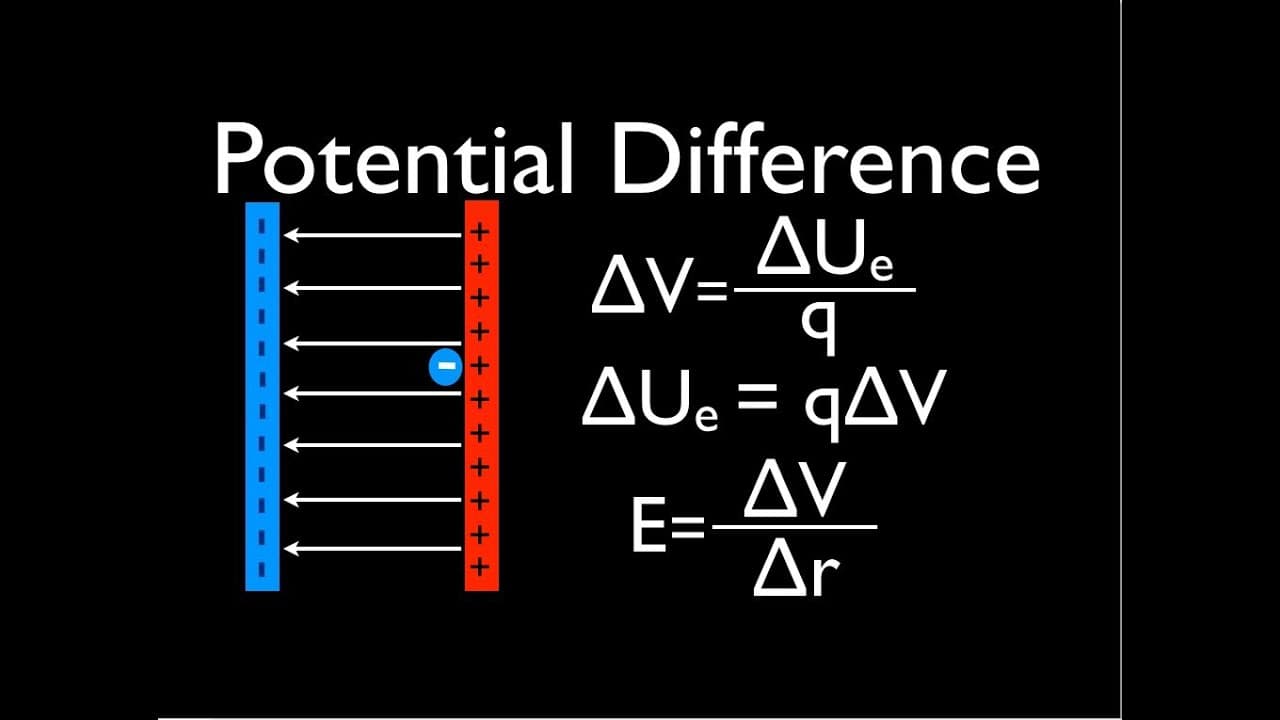
Electric potential difference between parallel plates is defined as the change in potential energy per unit charge, measured in volts. It is calculated using the equation ΔV = ΔU/Q, where ΔU is the change in electric potential energy and Q is the charge moved. For parallel plates, the potential difference also relates to the electric field strength and the distance between the plates.
Transcript
okay in today's video we are going to be talking about electric potential difference and we're gonna be specifically talking about electric potential difference as it relates to parallel plates and not necessarily point charges parallel plates are different because they have a uniform electric field so we have these two parallel plates one positive... Read More
Key Insights
- 🔌 Understanding the distinction between electric potential energy, potential, and potential difference is crucial.
- 🔌 The equation for potential difference involves the change in electric potential energy and the amount of charge moved.
- 🍽️ For parallel plates, the potential difference is related to the electric field strength and distance between the plates.
- 💱 Electric potential energy change is equal to the work done on the charge and the change in kinetic energy.
- 🍽️ The equation for potential difference in parallel plates is essential for understanding the concept.
- 🏑 The units for electric field strength and potential difference are related and can be interconverted.
- ❓ Practice with simple problems can enhance understanding of potential difference and related concepts.
Install to Summarize YouTube Videos and Get Transcripts
Explore YouTube Video Summarizer or Get YouTube Transcript Extractor
Questions & Answers
Q: What is the definition of electric potential difference?
Electric potential difference is the change in potential energy per unit charge, represented by the symbol Delta V.
Q: How is potential difference calculated between parallel plates?
The potential difference between parallel plates is determined by the electric field strength multiplied by the distance between the plates.
Q: What are the units for electric field strength and potential difference?
Electric field strength is measured in Newtons per Coulomb, while potential difference is measured in volts.
Q: Can the equation for potential difference be used for point charges?
No, the equation for potential difference with electric field strength is specific to parallel plates with a uniform electric field.
Summary & Key Takeaways
-
Electric potential difference in parallel plates defined as the change in potential energy per unit charge.
-
Differentiation between electric potential energy, potential, and potential difference.
-
Equations used to calculate potential difference in parallel plates and the relationship with electric field strength and distance.
Read in Other Languages (beta)
Share This Summary 📚
Summarize YouTube Videos and Get Video Transcripts with 1-Click
Try YouTube Summary with ChatGPT & Claude or YouTube Transcript Generator
Explore More Summaries from Step by Step Science 📚


Summarize YouTube Videos and Get Video Transcripts with 1-Click
Try YouTube Summary with ChatGPT & Claude or YouTube Transcript Generator