Why Is China Struggling in the Semiconductor Competition?
TL;DR
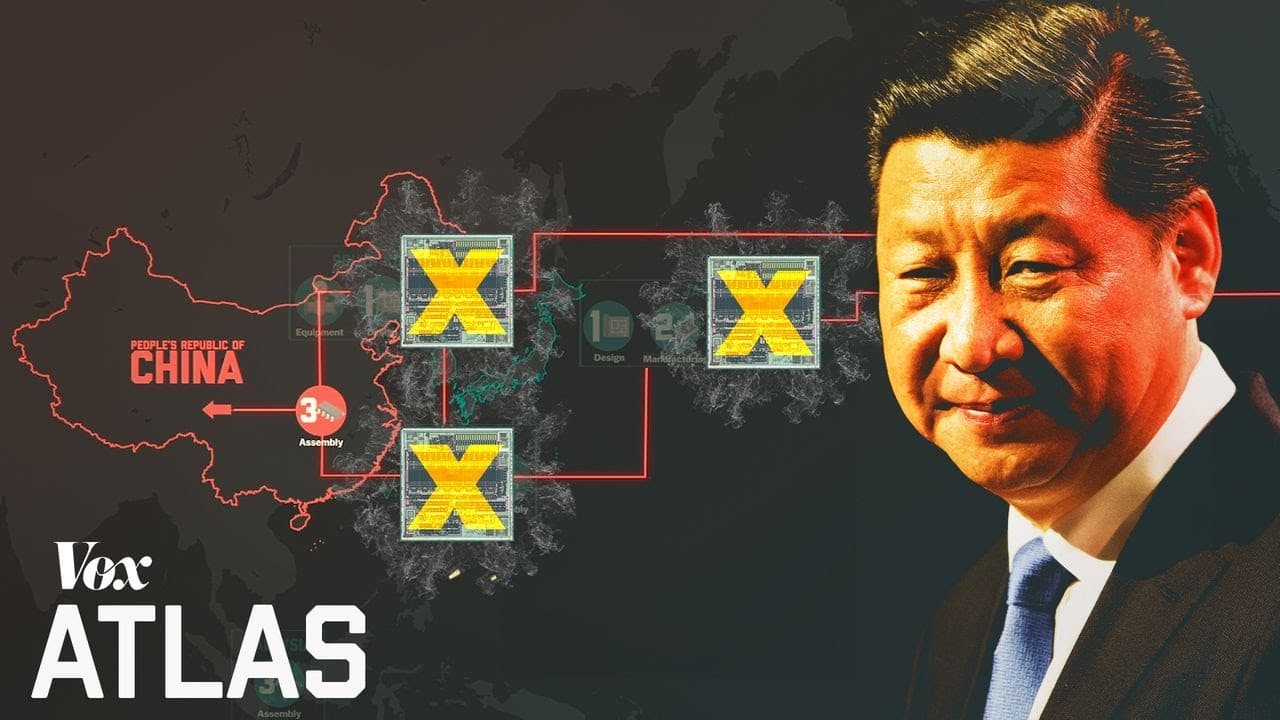
China's semiconductor industry is falling behind due to heavy reliance on foreign technology and alleged intellectual property theft, which has escalated tensions with the US. The US has responded with strict export controls and bans on selling advanced chip technology to China, transforming the competition into a significant security issue.
Transcript
In 2012, Zongchang Yu left his job as an engineer at a company called ASML... the only company in the world that can make this machine. This machine makes the most advanced semiconductor chips or microchips in the world. After he left ASML he started two new companies one in the US and one in China. US and ASML lawyers would later allege that Y... Read More
Key Insights
- ✊ Semiconductors have played a crucial role in advancing computing power, making them a strategic asset for national power.
- 🔒 China's efforts to catch up in the semiconductor industry have created tensions with the US, particularly over security concerns.
- 🤕 The US has implemented export controls and bans to maintain its lead in chip technology and decrease reliance on China's supply chain.
Install to Summarize YouTube Videos and Get Transcripts
Explore YouTube Video Summarizer or Get YouTube Transcript Extractor
Questions & Answers
Q: How did China's efforts to transform the semiconductor industry lead to a conflict with the US?
China's investments in its chip industry and alleged IP theft, along with US export controls and bans, have escalated tensions and turned it into a security-focused issue.
Q: Why were chip companies in the US encouraged to move their manufacturing and assembly to other countries?
By moving manufacturing to countries where labor was cheaper, chip companies could make more chips at a lower cost, supporting these economies and deepening ties with US allies.
Q: Why did the Chinese government pour money into its chip design and manufacturing companies?
China wanted to decrease its reliance on the foreign supply chain and identified chokepoints like ASML to copy their technology, but this strategy backfired and caused tensions with the US.
Q: How did the US respond to China's efforts in the semiconductor industry?
The US implemented export controls, banned US companies from selling components to Chinese companies, and blocked Chinese design companies from using US-made software and equipment.
Key Insights:
- Semiconductors have played a crucial role in advancing computing power, making them a strategic asset for national power.
- China's efforts to catch up in the semiconductor industry have created tensions with the US, particularly over security concerns.
- The US has implemented export controls and bans to maintain its lead in chip technology and decrease reliance on China's supply chain.
- Taiwan, as a major player in chip manufacturing, is caught in the middle of the US-China conflict, facing pressure to choose sides.
Summary & Key Takeaways
-
Zongchang Yu, a former engineer at ASML, was accused of recruiting other engineers to steal information about ASML's advanced chip-making machine, backed by the Chinese government.
-
The US and its allies were initially the leaders in chip technology, but Japan, South Korea, and Taiwan caught up in the 1970s and 80s.
-
China, initially lagging behind, invested heavily in its chip industry and sought to create a self-sufficient supply chain, but it still relies on foreign companies for the most advanced chips.
Read in Other Languages (beta)
Share This Summary 📚
Summarize YouTube Videos and Get Video Transcripts with 1-Click
Try YouTube Summary with ChatGPT & Claude or YouTube Transcript Generator
Explore More Summaries from Vox 📚




Summarize YouTube Videos and Get Video Transcripts with 1-Click
Try YouTube Summary with ChatGPT & Claude or YouTube Transcript Generator