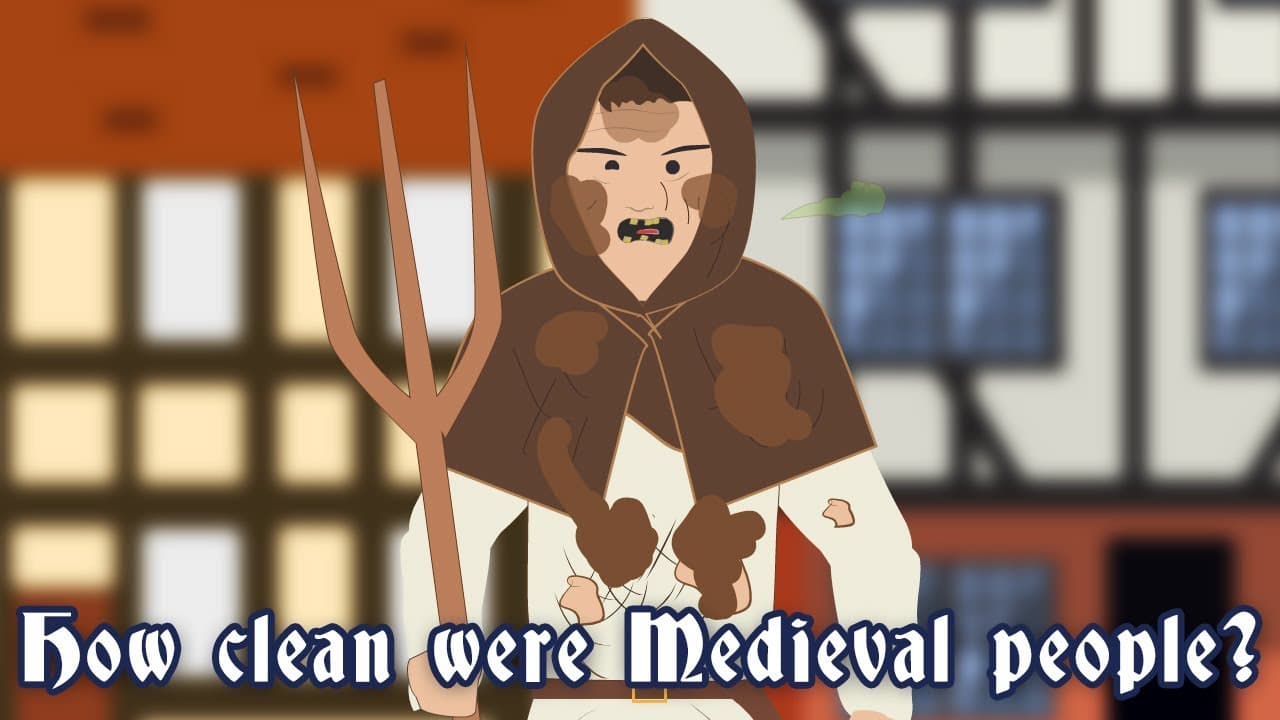
How clean were Medieval people?
TL;DR
Medieval hygiene varied between social classes, with nobles prioritizing cleanliness and commoners relying on public baths. Dental hygiene involved picking food out of teeth and rubbing them, while waste disposal ranged from chamber pots to cesspits.
Transcript
this episode is brought to you by the Dollar Shave Club how clean were medieval people medieval hygiene we're medieval faces and hands always dirty clothes tattered and smelly this may be an unfair image hygiene vary between positions in society Nobles at the top kept clean because of their luxuries and expectations - if they didn't it could bring ... Read More
Key Insights
- 🛀 Medieval hygiene varied between social classes, with nobles having access to private baths and commoners relying on public baths.
- 😋 Dental hygiene in medieval times involved manual methods like picking food out of teeth and rubbing them with rough linen.
- 🗑️ Waste disposal ranged from chamber pots for commoners to private toilets for nobles, with cesspits and gong farmers involved in waste management.
- 💦 Public baths were popular in ancient times and the early medieval period but declined after the Black Death and concerns about sharing water with strangers.
- 🥺 Sugar was rare and costly in medieval times, leading to a diet mainly consisting of dairy and vegetables that helped maintain dental health.
- 🙈 Nobles maintained cleanliness due to luxuries and societal expectations, as cleanliness was seen as a mark of nobility.
- 🧑🌾 Waste disposal in towns without streams or rivers relied on cesspits and gong farmers for cleaning and disposal.
Install to Summarize YouTube Videos and Get Transcripts
Explore YouTube Video Summarizer or Get YouTube Transcript Extractor
Questions & Answers
Q: How did nobles maintain cleanliness in medieval times?
Nobles had luxuries like private baths in their homes to maintain cleanliness. This was important for their reputation and the reputation of the kingdom.
Q: How did commoners maintain hygiene without access to private baths?
Commoners often relied on public baths, which were popular in medieval times. However, public baths declined due to the Black Death and concerns about sharing water with strangers.
Q: How did medieval people maintain dental hygiene without modern tools?
Medieval Europeans practiced dental hygiene by manually removing food from their teeth. Health manuals recommended washing the mouth with wine or vinegar and rubbing teeth and gums with rough linen.
Q: How did medieval people dispose of waste?
Nobles had private toilets called garter robes, while commoners used chamber pots as portable toilets. Waste was disposed of in cesspits, which were often cleaned by gong farmers.
Summary & Key Takeaways
-
Medieval hygiene differed among social classes, with nobles having luxuries to stay clean and commoners using public baths.
-
Peasants prioritized dental hygiene through manual methods like picking food out of teeth and rubbing them.
-
Waste disposal in medieval times involved chamber pots, cesspits, and roman drainage systems in some fortunate towns.
Read in Other Languages (beta)
Share This Summary 📚
Summarize YouTube Videos and Get Video Transcripts with 1-Click
Try YouTube Summary with ChatGPT & Claude or YouTube Transcript Generator
Explore More Summaries from Simple History 📚





Summarize YouTube Videos and Get Video Transcripts with 1-Click
Try YouTube Summary with ChatGPT & Claude or YouTube Transcript Generator